The Rise of Ready-Made Meals in Spain: A Cost-Benefit Analysis
Ready-Made Meal Market Heats Up as Consumers Prioritize “Time Value”
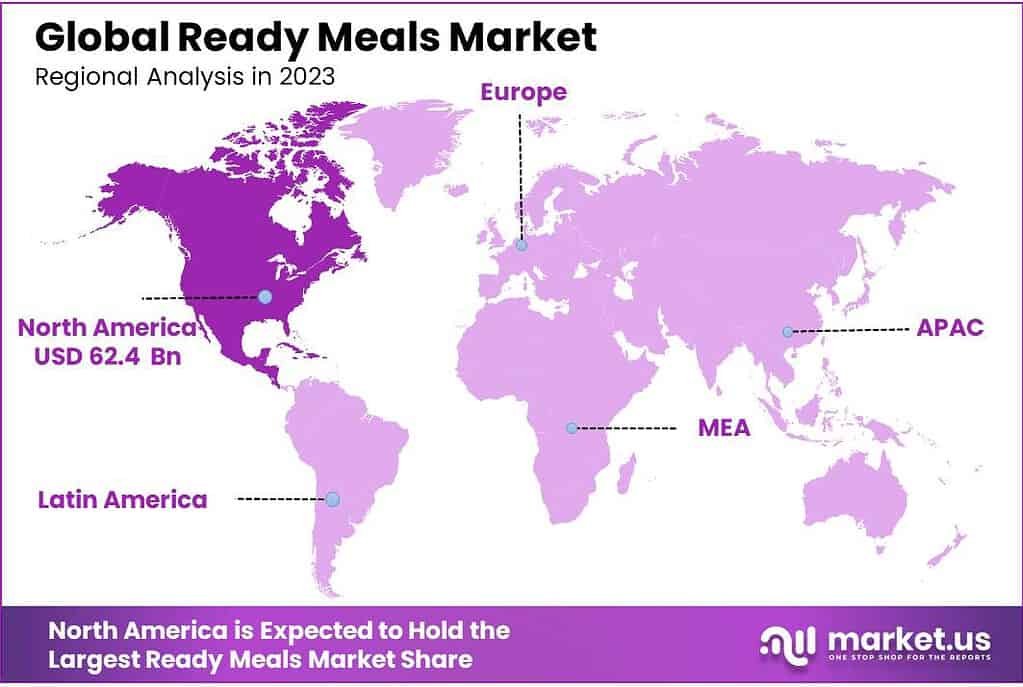
In recent years, the dining habits of Spanish households have been shifting. A growing number of consumers are opting for ready-to-eat meals, pre-prepared dishes from supermarkets, and even weekly meal-kit subscriptions as alternatives to traditional daily cooking. According to the latest industry data, total consumption of ready-made meals in Spain surpassed 715,000 tons in 2025, a 3.8% increase from the previous year. The market size has exceeded €4.3 billion, with the average person consuming nearly 18 kilograms annually. Analysis indicates that the primary motivation for consumers to pay a premium for pre-prepared food is to save valuable time.
Direct Cost Comparison: Home Cooking Still Holds the Price Advantage
From a purely ingredient-cost perspective, cooking at home remains the more economical choice. This advantage is particularly pronounced for larger families or those who practice batch cooking for several days. A market comparison reveals significant price differences:
- Russian Salad: The homemade cost is approximately €1.42, while the supermarket version sells for as much as €6.50.
- Spanish Omelette: The homemade cost is around €4.47, whereas a store-bought one costs €8.50.
- Lentil Stew: The homemade cost is just about €1.82, compared to the pre-prepared version at approximately €4.
In total, the cost to prepare several dishes from scratch is about €15, while buying the equivalent amount in ready-made form would cost nearly €29—almost double the price.
The Financial Equation for Singles and Busy Professionals
However, the situation is more complex for those living alone or for professionals with demanding schedules. Buying full-sized ingredients for a single-serving meal can often lead to unused portions spoiling, resulting in food waste. Furthermore, the time spent on preparation, cooking, and cleaning up is a significant “hidden cost.” In this context, while single-serving ready-made meals or weekly meal deliveries may seem expensive upfront, they can effectively reduce food waste and prevent the higher costs associated with ordering takeout or dining out when there’s no time to cook. Therefore, from an overall expense perspective, choosing pre-prepared food isn’t necessarily more expensive.
A Holistic Assessment: Making a Rational Choice Beyond Ingredient Prices
Experts suggest that there is no one-size-fits-all solution. For families who are skilled at meal planning and batch cooking, preparing meals at home is undoubtedly the best way to control their budget. Conversely, for individuals with limited time who often dine alone, purchasing ready-made meals or prepared foods can be a more cost-effective strategy.
Therefore, when making a decision, consumers should conduct a comprehensive evaluation that goes beyond the price of ingredients. It should also include the cost of time, utility consumption (water and energy), potential food waste, and whether it helps reduce extra expenses like ordering takeout. The ultimate choice depends on an individual’s lifestyle and spending priorities.
