When one mentions being a university teacher in Spain, the immediate reaction is often: ‘Wow, high social status, a stable job, and long holidays!’ It certainly sounds like an ideal profession. However, today I want to talk about a little-known group behind this glamorous title: the Profesor Asociado, or as they are often called, ‘contract associate professors.’ Many of them are resignedly known as the ‘nomad academics’ of Spanish universities.
In theory, the position of Profesor Asociado was created with good intentions. It was originally designed as a part-time teaching role for experienced professionals with full-time jobs in companies or other institutions, allowing them to bring real-world industry experience into the classroom. The reality, however, is that a large number of young scholars with PhDs, unable to find stable, long-term academic positions, are forced to accept these contracts. They are effectively working full-time academic jobs but receive only part-time pay and benefits. This is known as the ‘Falso Asociado’ (False Associate) phenomenon, an open secret within Spain’s higher education system.
How Bad is the Pay, Really?
Of course, the biggest concern is compensation. The figures might just shock you, as discussed by some Spain’s nomad university teachers. A Profesor Asociado’s monthly salary typically ranges from only €300 to €600, depending on their weekly teaching hours. In Spain, this amount is barely enough to support oneself, let alone a family. To make ends meet, many have to take on multiple jobs or rely on financial support from their parents. Let’s look at a simple comparison:
| Item | Contract Specification | Actual Commitment |
|---|
| Weekly Teaching Hours | 3-6 hours | Far exceeds contract hours |
| Contract Type | Temporary Part-time | De facto Full-time |
| Monthly Salary | Approx. €400 | Hourly wage is drastically reduced |
| Benefits & Security | Almost none | Lack of stability and belonging |
Contracts for these positions are often renewed annually, or even by the semester, offering no job security. These lecturers not only have to fulfill their teaching duties but also desperately conduct research and publish papers, all in the hope of one day securing a permanent position, like a ‘Contratado Doctor’ or ‘Titular’. This process is fraught with uncertainty and takes a huge mental and financial toll. It’s fair to say they are working for the love of it, fueled by their passion for academia.
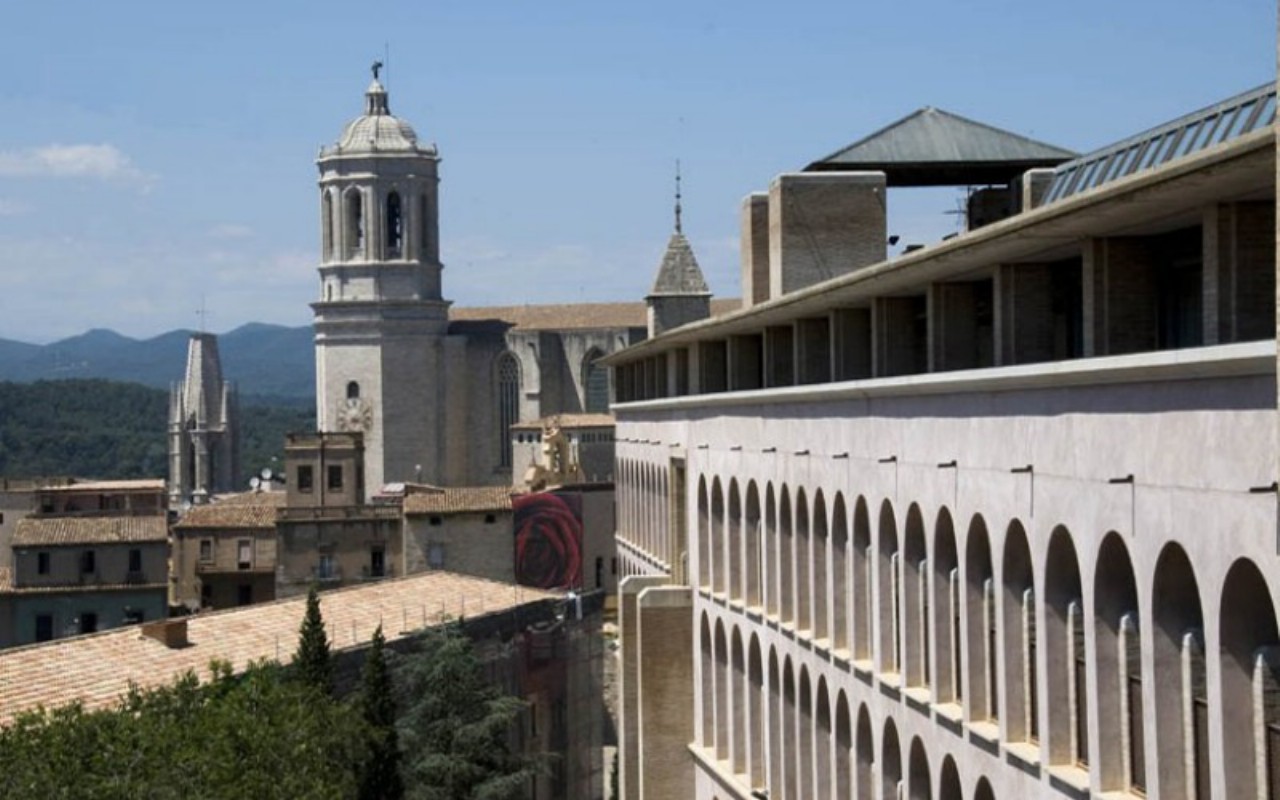
The path to becoming a tenured university professor in Spain is long and arduous. The role of Profesor Asociado is a challenging and, for some, a rather tragic transitional phase in the careers of many PhD graduates. Of course, this doesn’t mean everyone’s situation is this dire, but it is a widely recognized and painful issue within the Spanish higher education system.
Do you know anyone in this situation, or perhaps you know more about this topic after seeing this list of Spain’s nomad university teachers? Feel free to share your thoughts and experiences in the comments section below
!
