Background: Installation Demand and Regulations Amidst Heatwaves
In recent years, Spain has experienced persistent heatwaves, turning air conditioning from a luxury into a summer necessity for many homes and offices. Consequently, sales and installation service demands have skyrocketed. However, unlike regular home appliances, air conditioner installation is strictly regulated by Spanish environmental and safety laws. Both consumers and sellers must be aware that non-compliant installations can lead to hefty fines.
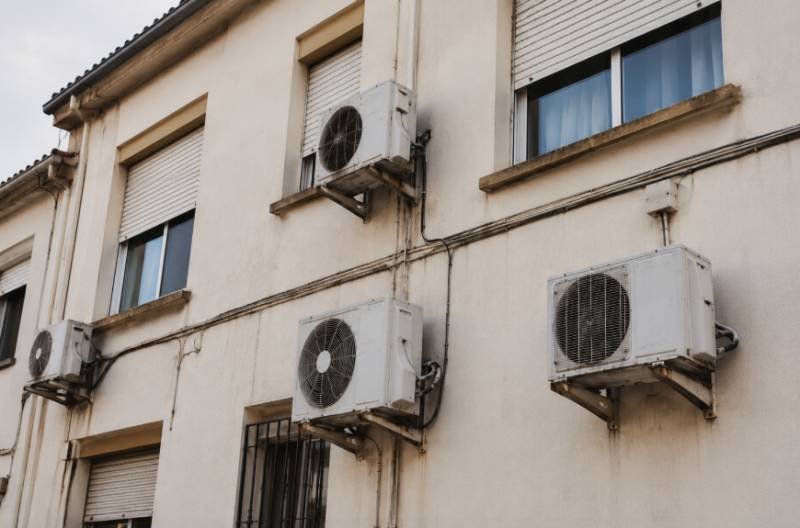
Core Regulation: The Provisions of Royal Decree 115/2017
The core legal basis for air conditioner installation in Spain is Royal Decree 115/2017 (Real Decreto 115/2017), which regulates the commercialization and handling of fluorinated greenhouse gases. This decree, along with the Regulation on Thermal Installations in Buildings (RITE), forms the legal framework for the installation, maintenance, and repair of air conditioning systems.
According to the regulations, all operations throughout the lifecycle of any split-system air conditioning unit containing fluorinated refrigerants—including installation, refrigerant charging, maintenance, and final decommissioning—must be carried out by certified professional companies and licensed technicians. This means that consumers cannot purchase a unit and install it themselves.
Penalties for Non-Compliance: Legal Responsibilities for Consumers and Businesses
Violations of these regulations are penalized under the Air Quality and Atmospheric Protection Act (Law 34/2007). Legal liability applies to both the seller and the end-user.
Penalties for Businesses
When selling air conditioning units with fluorinated refrigerants, businesses are obligated to clearly inform and ensure that consumers understand the unit must be installed by an authorized company. Failure to fulfill this obligation, or selling such equipment to uncertified individuals or companies, can result in severe penalties, with fines reaching up to €20,000.
Penalties for Consumers
While consumers are free to purchase their own air conditioning units, they must hire a certified professional for the installation. If a consumer cannot provide an official installation certificate issued by an authorized installer during an inspection by the authorities, they will also face penalties. The fine for consumers is typically around €600.
Industry Association Advice: How to Ensure Compliant Installation
The Spanish Association of Installation and Energy Companies (Agremia) has repeatedly warned the public that summer, being the peak season for AC installation, sees a surge in informal, low-cost installation services. These services are often provided by uncertified individuals, which is not only illegal but also poses serious safety risks.
The association advises consumers to take the following steps when choosing an installation service:
- Verify Credentials: Ask the installation company to show their official certification as a licensed installer.
- Request a Certificate: After the installation is complete, you must obtain an official installation certificate from the company. This document is the sole proof of a compliant installation.
- Beware of Low Prices: Be cautious of installation quotes that are significantly below the market average, as this is often a red flag for uncertified services.
This official certificate is not only a legal document for inspections but also crucial for future warranty claims, equipment repairs, and determining liability in case of an accident.
Conclusion: Avoid Risks, Ensure Safety and Compliance
Opting for an uncertified installer to save a few tens of euros is an extremely risky decision. Besides facing fines of hundreds or even thousands of euros, unprofessional installation can lead to refrigerant leaks, reduced equipment performance, fire hazards, and will void the manufacturer’s warranty. Therefore, strictly adhering to the law and choosing a qualified professional for air conditioner installation is the only correct way to protect your property and avoid legal risks.
