Hey everyone, lately on social media and in various groups, I’ve seen a lot of buzz about ‘major incidents’ at Spanish universities that are making people anxious. We’re hearing things like deteriorating safety, that it’s nearly impossible to graduate, or that the degrees are worthless… As someone who’s been studying in Spain for several years, I feel it’s necessary to clear the air and share what I’ve seen firsthand. Hopefully, this can help those of you who are considering or preparing to come here.
Safety Concerns: Is It Really That Bad?
First, let’s talk about safety, which is everyone’s top concern. To say there’s absolutely no petty theft in Spain, especially in big cities like Madrid and Barcelona, would be a lie. It’s no different from living in any major international tourist city. However, serious violent crimes against international students are genuinely very, very rare. Safety on and around campus is generally very good. As long as you avoid walking down isolated alleys at night and keep an eye on your belongings, you’ll likely be fine. Don’t scare yourself, and don’t let posts about extreme, isolated cases make you anxious.
The Academic Reality: ‘Easy to Get In, Hard to Get Out’ is the Norm
Next, let’s discuss academics. The rumor that ’Spanish universities are easy to get into and easy to graduate from, and their degrees aren’t worth much’ is widespread, but also very inaccurate. While the admission requirements for some programs might not be exceptionally high, this absolutely does not mean you’ll have an easy time graduating. Professors here are not lenient with grades; failing courses, retaking exams, and re-enrolling are all common occurrences. To earn your degree, you need to genuinely attend classes, spend time in the library, and keep up with group discussions. If you think you can just pay your tuition and coast to a degree, I’d advise you to dismiss that idea right now.
| Common Misconception | The Reality |
|---|
| Pay to get in, easy to graduate | Admissions can be flexible, but graduation requirements are strict with a notable failure rate. |
| Spanish degrees have low value | Official Master’s degrees are recognized by the EU and other regions; job prospects depend more on personal skills and specialization. |
| Classes are a breeze / you won’t understand anything | Language is the first major hurdle, professors have high standards, and group work and presentations are very demanding. |
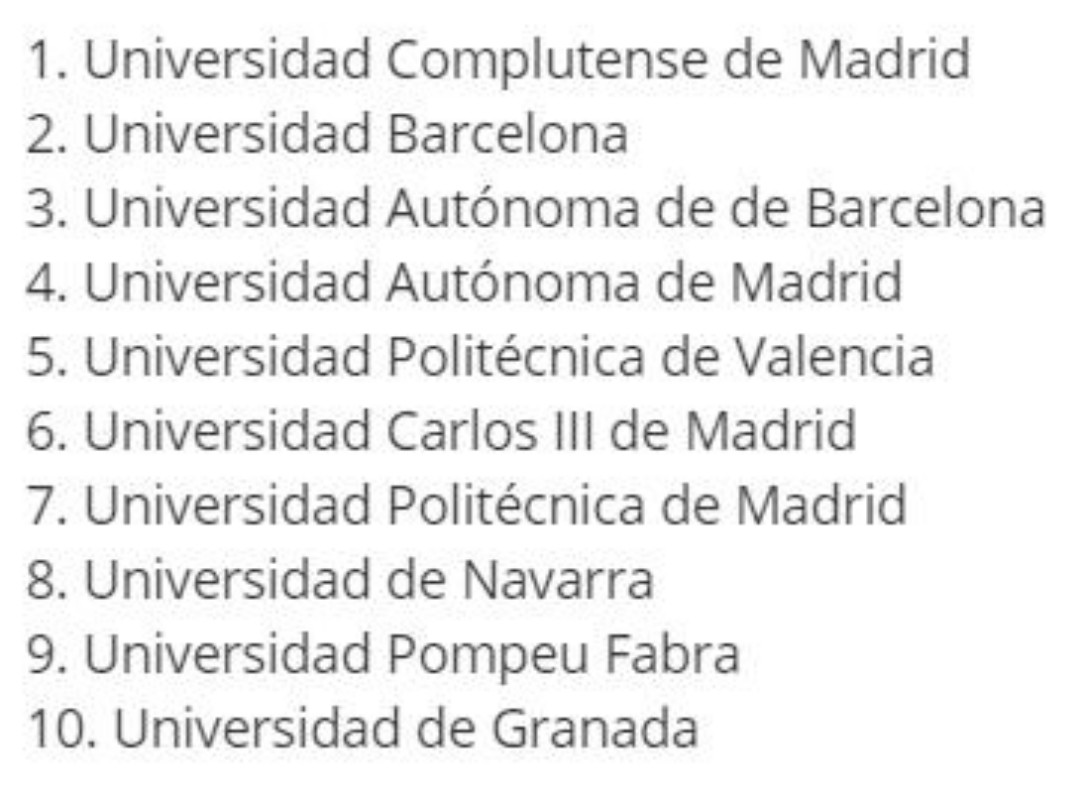
So, how can you avoid the pitfalls when it comes to Revealing the Truth About Spanish University Incidents? My advice is that filtering your information is crucial. Don’t just listen to the one-sided stories from education agents, and don’t be scared off by a few sensationalist posts. Spend time on official university websites looking at course structures, and ask current and former students on forums like this one about their real-life experiences in different cities and at different schools. For example, when choosing a university, you don’t have to limit yourself to Madrid and Barcelona. University towns like Salamanca, Granada, and Valencia have great academic atmospheres and lower living costs.
Studying in Spain has its good sides, as well as challenges that require adaptation and effort. It’s not paradise, but it’s definitely not hell either. What matters is your mindset and whether you’ve done your homework, including looking into things like The Truth About the Spanish University Shooting Incident. I hope everyone can approach this rationally and make the best choice for themselves. Feel free to leave a comment below to discuss, share your thoughts, or ask questions!
