“Final Window” for Firefighting as Severe Weather Approaches
Spain is in a race against time to control the wildfires. Interior Minister Fernando Grande-Marlaska issued a stark warning on Monday, stating that the next two days (Monday and Tuesday) represent the “last golden window” to contain the historic blazes.
According to the national meteorological agency, a new extreme heatwave is set to sweep across Spain starting this Wednesday. The drastic changes in wind direction and temperature will create “extremely adverse” weather conditions, significantly hampering firefighting efforts. Marlaska admitted that despite the full deployment of emergency services, progress has been slow due to the persistent harsh weather, leaving fire crews with almost no respite.
Central-Eastern Fires Out of Control, Burned Area Hits Record High
The wildfires that have triggered a national state of emergency are primarily concentrated in three central regions: Madrid, Ávila, and Toledo. As of Monday, the burned area in this fire complex has reached a staggering 77,000 hectares, officially making it the most devastating forest fire on record in Spain.
The situation is most critical in the Burgohondo area of Ávila province, where over 50,000 hectares have been scorched. Rescue teams are battling strong winds to defend key locations like the Mijares pass. In the western mountains of Madrid, although the fire’s advance has slowed, it remains out of control. Meanwhile, the fire in the Castellón province in the eastern Valencian Community is also worsening, with the burned area increasing to 6,500 hectares, leading to the emergency evacuation of residents from 18 municipalities.
Mass Evacuations and Secondary Disasters
This unprecedented megafire has led to the mandatory evacuation of nearly 90,000 residents, while others have been forced to shelter in place due to the dense smoke. The fire not only poses a direct threat to lives and property but also brings increasingly prominent secondary disasters.
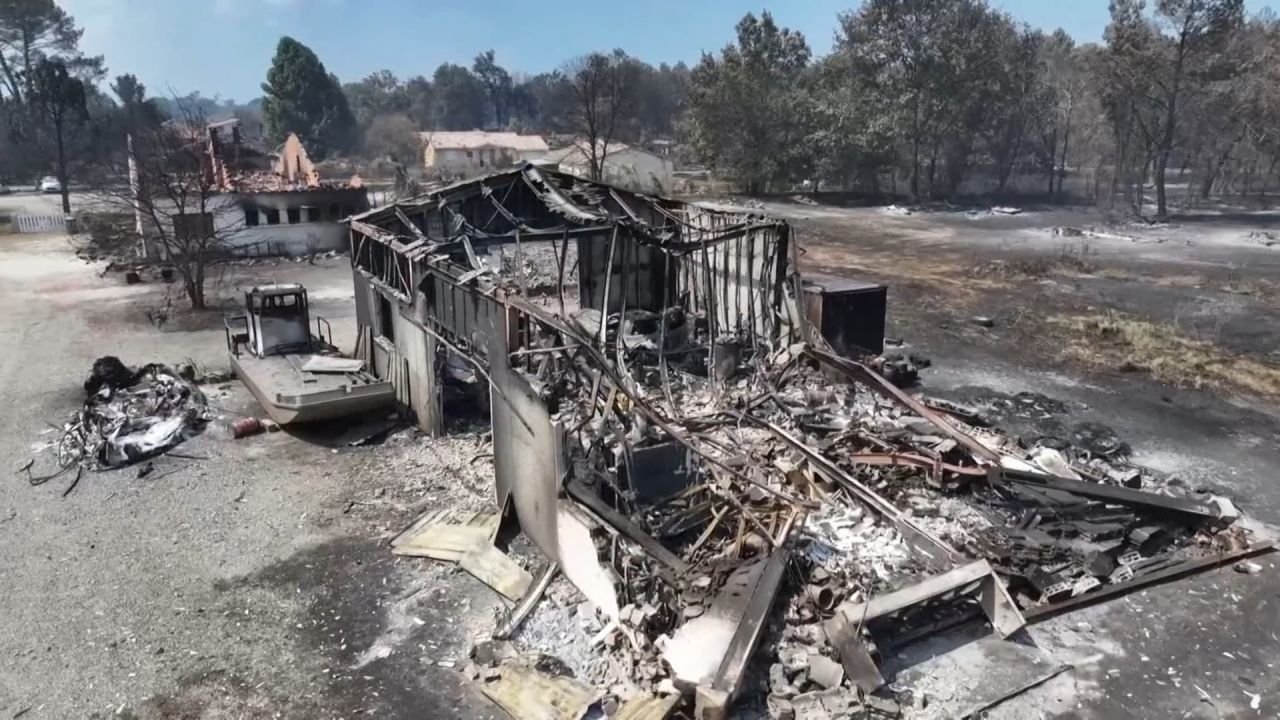
Smoke and ash from the fire have drifted eastward, causing a severe deterioration in air quality along the Mediterranean coast, including in Valencia, Alicante, and Murcia. Furthermore, several highways in Ávila province have been closed due to the fire, causing significant traffic disruptions. Authorities have warned that with the changing weather on Wednesday, smoke pollution could rebound, and they advise residents in affected areas to keep doors and windows closed and reduce unnecessary outdoor activities.
Government Response and Disaster Prevention System Under Scrutiny
Facing the severe disaster, Spanish Prime Minister Pedro Sánchez has declared that tackling the climate emergency is the country’s “highest national priority” and has pledged 10 million euros to build “climate shelters.”
However, the government’s disaster prevention system is also facing public scrutiny. Although the government announced a large-scale firefighting deployment in May, critics point out that some promises have not been fulfilled on time. For example, some new firefighting aircraft are not expected to be delivered until 2031. During this crisis, despite initially claiming to have sufficient resources, the Spanish government eventually requested external aid from the European Union, highlighting that the severity of the disaster has exceeded the country’s own response capacity.
