A Super Detailed Guide to Applying for a PhD in Spain
Lately, a lot of people on the forum have been asking about plans after getting a master’s degree. Seeing some mention wanting to do a PhD in Spain brought back memories of my own application journey. So, I’m starting this thread to share some experiences and tips on applying for a doctorate in Spain, hoping it helps those in need. The whole process isn’t easy, but it’s absolutely worth it.
Step 1: The Absolute Key – Contacting a Supervisor
Unlike the systems in some other countries, the core of a PhD application in Spain, in my personal opinion, is “finding a supervisor”. While the university and program are important, having a supervisor who is willing to accept you and whose research interests align with yours is half the battle won. You can go to the websites of your desired universities, find the relevant departments, and then browse through the profiles of professors to understand their research fields and published papers. When you find a suitable match, don’t hesitate to send an email! This process of reaching out involves clearly introducing yourself and expressing your genuine interest in the supervisor’s research.
Step 2: Preparing Your Application Materials
Once you’ve found a supervisor and received their preliminary approval, you can start preparing the official application documents. The requirements vary slightly from one university to another, but they are generally similar. I’ve put together a basic checklist here based on the general PhD application timeline for Spanish universities, which you can use as a reference. However, always check the official university website for specific details:
| Document | Key Points |
|---|
| Master’s Degree & Transcript | Requires official translation and double legalization (e.g., Apostille) |
| Curriculum Vitae (CV) | Highlight your academic background and research experience |
| Research Proposal | This is crucial; discuss it thoroughly with your potential supervisor |
| Letters of Recommendation | Usually 2 are required; ask professors who know you well |
| Language Certificate | Spanish or English, depending on the program; typically B2 level or higher |
Step 3: Scholarships and Funding
Let’s talk about a practical matter: how to afford a PhD where the money comes from. There are quite a few scholarship opportunities in Spain, mainly from the government and the universities themselves. For example, the FPU/FPI scholarships from the Spanish Ministry of Education offer good stipends but are highly competitive. Additionally, many university or supervisor research projects include funding for doctoral student contracts. The timeline for scholarship applications is often separate from the PhD admission process, so be sure to check the official websites well in advance. Life as a PhD student can be modest, but having a scholarship makes things much more comfortable.
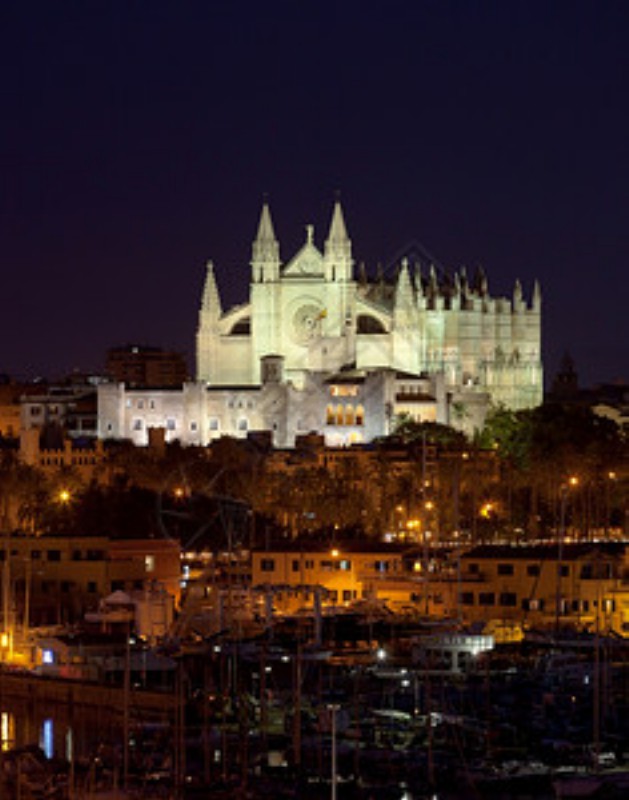
Doing a PhD in Spain is very cost-effective, with relatively low tuition fees and a comfortable pace of life. Although the process can be complex, with proper planning and taking it one step at a time, the success rate is quite high. I applied to the Complutense University of Madrid – any fellow alumni here? If you have any questions, feel free to leave a comment below, and I’ll do my best to reply when I see them. Wishing everyone the best of luck with your applications!
