An Accidental Discovery During Construction
Just two months after the discovery of the ‘Venus of Alicante’ statue in May 2026, the Albufereta area of Alicante has once again witnessed a historic archaeological breakthrough. On a private plot of land designated for archaeological monitoring, developers uncovered an ancient burial site during construction.
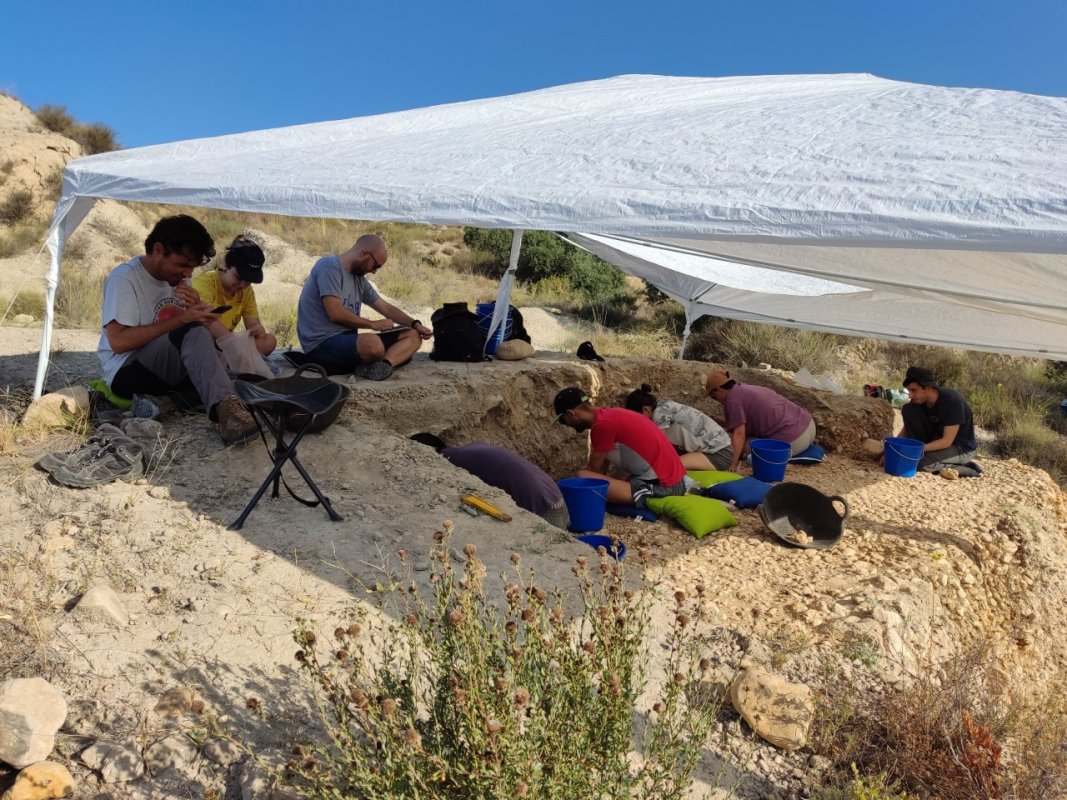
In accordance with regional law, the developer hired the professional archaeology firm Arquealia to conduct the excavation. The entire process was carried out under the close supervision of the Alicante City Council’s Integrated Heritage Department, ensuring a scientific and compliant excavation of the site.
Resting Place of a Prominent Family
Archaeologists have confirmed that this is an Iberian family necropolis consisting of four tombs, dating back to the last three decades of the 3rd century BCE (circa 230 to 201 BCE).
Experts initially believe the necropolis may have been the burial site for a prominent warrior family or high-ranking military officers of the same lineage. Located approximately 300 meters southwest of Albufereta’s main necropolis, the discovery is closely linked to the nearby Tossal de Manises site, offering new perspectives on the ancient social structure of the area.
Rich Grave Goods Reveal Warrior Identity
The grave goods found within the tombs are exceptionally rich, with weaponry being predominant, clearly indicating the elite warrior status of the deceased. Key artifacts unearthed include:
- Weapons and Armor: Multiple iconic Iberian falcatas (curved swords), daggers, spears, shields, javelins, and armor components.
- Equestrian Gear: Horse bits, spurs, and other items related to warhorses.
- Apparel and Trade Goods: A large quantity of bronze clothing components and ornaments. Notably, a set of weighing scale pans was found in two of the tombs. Archaeologists Jesús Moratalla and Gabriel Segura consider this an “extremely unusual” find due to its rarity, possibly related to the deceased’s trade or administrative roles.
- Other Objects: Approximately 30 small ceramic cups and bottles were also discovered at the site.
Ritual Artifacts and Academic Value
In addition to weapons, the excavation also yielded several highly valuable ritual and artistic artifacts. The most striking is a perfectly preserved censer shaped like a goddess’s head. The female face is believed to represent the goddess Tanit (diosa Tanit), worshipped by both Carthaginians and Iberians.
Furthermore, a fragment of an ancient chariot wheel and a piece of Iberian sculpture identified as a stone-carved deer hoof were also found.
The head of the Alicante City Council’s Integrated Heritage Department described the site as “an extremely rare archaeological find,” with artifacts that are both fascinating and highly significant. The excavation team is currently preparing a detailed report, and their research findings will be published in scientific papers and are planned for public exhibition in the future.
