Legal Fishing Despite ‘Critically Endangered’ Status
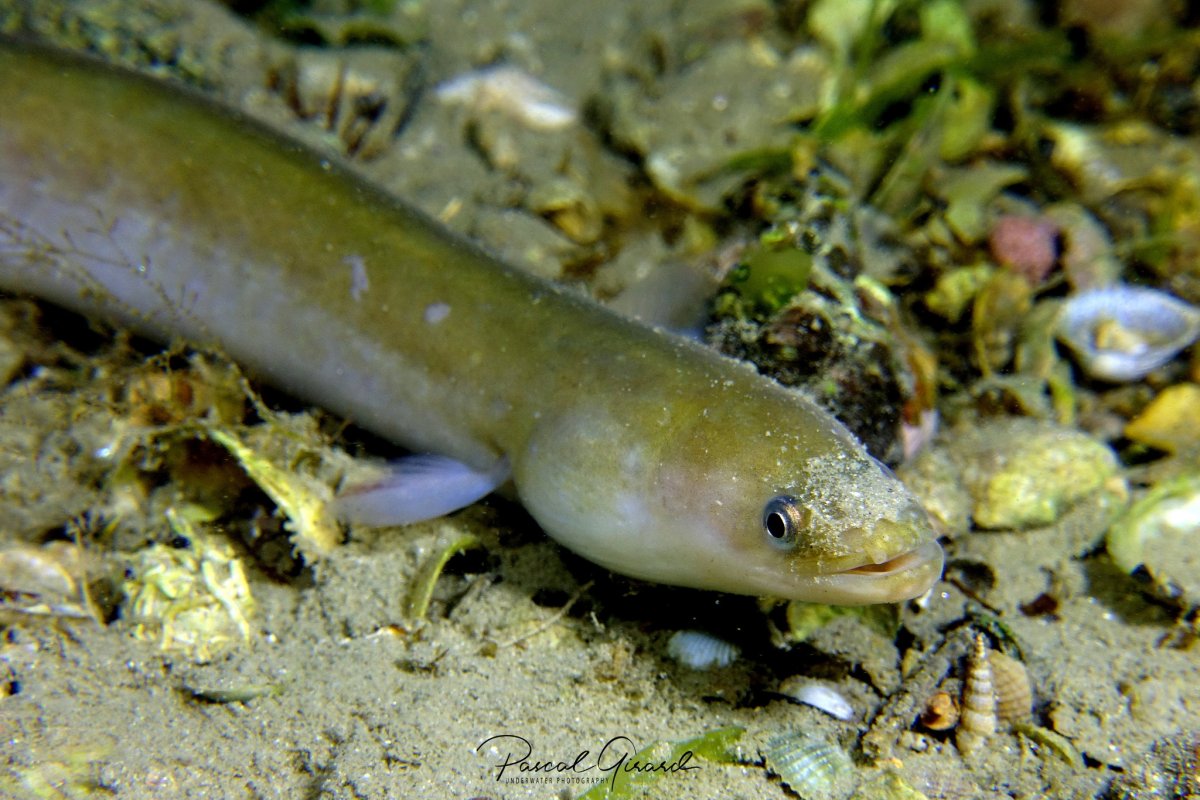
According to the International Union for Conservation of Nature (IUCN), the European eel (Anguilla anguilla) is currently ‘Critically Endangered,’ with its population having plummeted by over 90% since the 1970s. Despite alarm bells from the scientific community, the legal status of this rare species in Spain is unusually precarious. Due to resistance from local traditional fishing culture and related economic interests, Spain has yet to officially list it on the national registry of protected species. This means that in rivers and wetlands in areas like Valencia, fishing this endangered species remains legal.
Habitat Fragmentation: The Double Blow of Droughts and Dams
The eel’s habitat is suffering severe degradation. The environmental organization Acció Ecologista-Agró has repeatedly warned that summer droughts pose a direct threat. During these periods, major rivers in the Valencia region often run dry due to drastically reduced water levels, forming isolated pools. Eels trapped in these pools die in large numbers from rising water temperatures and lack of oxygen. Consequently, environmentalists continually urge authorities to guarantee ‘ecological flows’ in rivers during dry months to maintain water body connectivity.
Even more lethal are long-term man-made barriers. As a catadromous fish that needs to migrate between freshwater and the ocean, its crucial migratory routes are severed by hydraulic structures like dams and weirs. This directly obstructs their life cycle, preventing them from returning to the sea to spawn.
Pollution and Smuggling: Compounding the Pressure
Beyond physical barriers, deteriorating water quality is another major threat. Non-point source pollution from agricultural activities leads to eutrophication, causing dissolved oxygen levels in the water to plummet and posing a suffocation risk to aquatic life. Meanwhile, the high price of eel fry (known as ‘glass eels’) on the black market fuels rampant illegal fishing and international smuggling, further intensifying the pressure on wild populations.
A Conservation Deadlock: The Tough Game Between Central and Regional Governments
Spain’s central government and its Ministry for the Ecological Transition have repeatedly proposed including the European eel in the official catalogue of protected species to implement a complete fishing ban. However, this proposal has met with strong opposition from autonomous communities, led by Valencia, on the grounds that a ban would severely impact the local traditional economy dependent on eel fishing and cuisine. In this tug-of-war between conservation and economic interests, the parties have only reached a temporary agreement to form a joint working group to develop a comprehensive management plan. The core dispute over whether to grant the eel formal legal protection has been temporarily shelved. This struggle between central and regional authorities leaves the future of the European eel in Spain fraught with uncertainty.
