A Safety Blind Spot in Traditional Warning Systems
On Spanish beaches, the flag color system is crucial for assessing sea conditions and ensuring visitor safety. Typically, a green flag indicates calm seas and permits swimming; a yellow flag advises caution; and a red flag signifies dangerous conditions, strictly prohibiting entry into the water. However, for millions of people worldwide who are colorblind or have a color vision deficiency, accurately distinguishing between red, yellow, and green is a major challenge. This visual impairment can lead them to misinterpret safety warnings, putting them at risk and creating a significant blind spot in traditional beach safety management.
Cantabria’s Innovative Solution
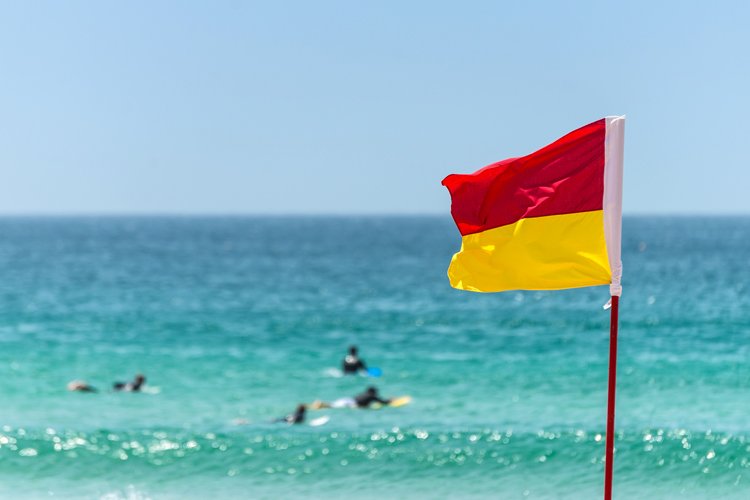
To address this safety gap, the northern Spanish region of Cantabria has taken pioneering action this summer. Driven by the Spanish Red Cross (Cruz Roja Española), lifeguard stations on numerous beaches in the region have begun flying modified safety flags designed specifically for people with colorblindness. This initiative aims to create a more inclusive and accessible coastal environment, ensuring all visitors, regardless of their color perception abilities, receive clear and unambiguous safety guidance.
ColorADD: Interpreting Colors with a Graphic Language
The core technology behind the new flags is the internationally recognized ColorADD visual coding system. This system doesn’t replace the traditional color standards but rather complements them by adding simple, easily identifiable graphic symbols to the red, yellow, and green flags. Through this dual-coding of ‘color + graphic,’ individuals with color vision deficiencies can instantly understand the ‘permitted,’ ‘caution,’ or ‘prohibited’ commands conveyed by the flags by recognizing the symbols alone, without relying on color. This system translates abstract color information into a universal graphic language, effectively solving the identification problem for colorblind people.
Enhancing Safety and Experience for All
Every morning, lifeguards on Cantabria’s beaches continue their routine of assessing the day’s waves, wind, and currents before raising the appropriate flag. The introduction of colorblind-friendly flags is more than a simple technological upgrade; it represents a significant advancement in the philosophy of public service. It demonstrates a concern for the needs of minority groups and, with a simple change, greatly enhances the overall safety and accessibility of the beaches, moving these popular recreational spaces toward a more equitable and inclusive future.
