July Heat Sets Historic Record
According to preliminary data from Spain’s State Meteorological Agency (Aemet), the average temperature for mainland Spain in July 2026 reached 25.7°C. This is 2.6°C above the 1991-2020 reference average, tying July 2026 with July 2022 as the hottest since official records began in the mid-20th century. Throughout the month, Spain was hit by three consecutive heatwaves, keeping temperatures almost constantly at abnormal highs.
High Temperatures Trigger Severe Wildfires
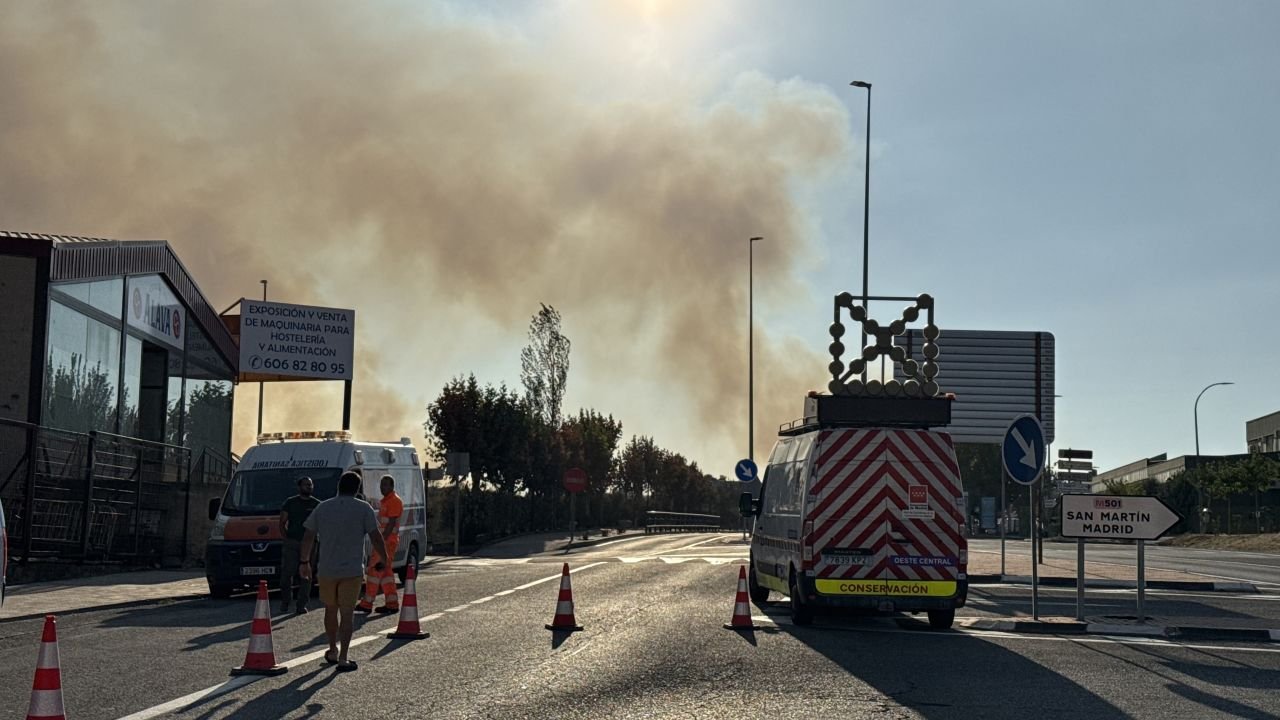
The sustained extreme heat and dry conditions created the perfect conditions for wildfires to erupt. In July alone, 26 major fires consumed approximately 150,000 hectares of land across Spain. Particularly devastating were the fire in Los Gallardos, which resulted in casualties, the massive blaze in Guadalajara, and subsequent fires in Ávila, Madrid, and Toledo. In response to multiple, uncontrollable fires erupting simultaneously, the Spanish government activated its national-level emergency response mechanism for wildfires for the first time in history.
Climate Change Amplifies Extreme Weather Risk
Scientific studies directly link the increasing frequency of such extreme weather events to climate change. A study by the World Weather Attribution (WWA) initiative indicates that climate change has made the combined occurrence of high temperatures, drought, and strong winds in central Spain at least 20 times more likely. Furthermore, while spring rains spurred vegetation growth, this lush plant life turned into highly flammable tinder with the arrival of the hot, dry summer, posing a significant fire hazard.
Uneven Cooldown as Southern Heat Persists
After a prolonged period of intense heat, a cold front from the north will bring a much-anticipated cooldown to Spain starting Friday, July 31. The middle and upper Ebro Valley, the northern plateau, and parts of the central region will be the first to experience the temperature drop. However, the relief will not be uniform across the country. Some northeastern areas may still see highs of 38-40°C on Friday, while southern Spain remains the hotspot. Inland southeastern regions could reach 39-41°C on Friday, potentially climbing to 42°C by Saturday, August 1.
Heat Abates, but Long-Term Challenges Remain
The heatwave is expected to officially break from noon on Sunday, August 2, as milder air moves in from the west. Nonetheless, the fire risk will not completely subside in the short term, as high overnight temperatures, low humidity, and southerly winds in some areas could still fuel the flames. In recent years, Spain has frequently broken its high-temperature records, with June 2026 already being the second-hottest June since 1961. Heatwaves are becoming more frequent, longer, and more intense, signaling that Spain is facing not just isolated extreme weather, but a long-term challenge as extreme summers become the new normal.
