Common Misconception: Misconduct Doesn’t Justify Instant Dismissal
Managing employee discipline when running a business in Spain is far more complex than it might seem. Labor lawyer Daniel Villalba recently warned on his LinkedIn profile that many business owners hold a common misconception: that they can immediately dismiss an employee for misconduct such as tardiness, using a mobile phone during work hours, or poor performance. However, this seemingly straightforward approach carries significant legal risks under Spain’s strict labor regulations.
The Legal Procedure: Three Key Elements of Evidence, Detail, and Written Notice
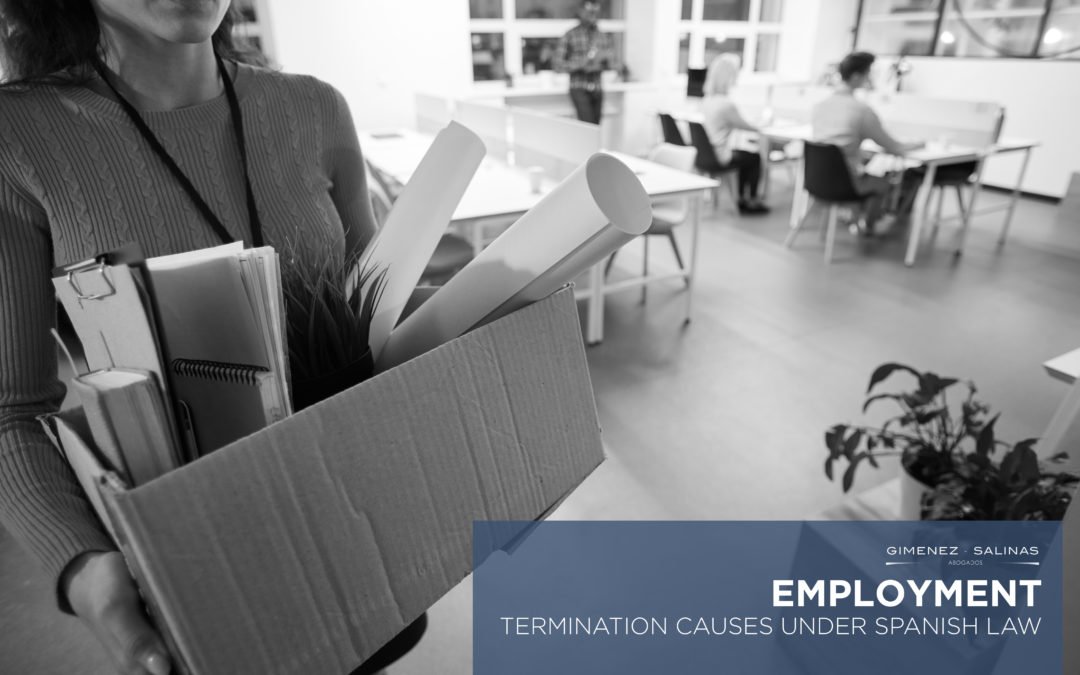
According to Villalba’s analysis, a lawful dismissal process must be built on a solid foundation. First, the company must have clear and legitimate grounds for dismissal. Second, and most critically, the company must be able to provide sufficient evidence to support its claims. This includes detailed records of the employee’s specific infractions, the time and place they occurred, and an explanation of why these actions are serious enough to warrant dismissal.
Furthermore, the drafting of the dismissal letter is crucial. The law requires that the letter be personalized for each employee, detailing the specific facts of the case. Using a generic template or vague language can create loopholes that could lead to the dismissal being ruled invalid in court.
The Root of Lost Cases: Procedural Flaws and Disproportionate Penalties
The lawyer emphasizes that many companies lose dismissal disputes not because the employee was entirely faultless, but because of procedural flaws on the company’s part. Common reasons for losing cases include failing to provide strong evidence of misconduct, inadequately explaining the facts, or imposing a penalty (dismissal) that is disproportionate to the employee’s offense.
For example, a single instance or occasional tardiness, or brief mobile phone use during a break, is generally not sufficient to justify dismissal—the most severe penalty. If a company cannot prove the seriousness, persistence, or actual damage caused by the employee’s behavior, a court is likely to rule the dismissal as ‘unfair’ (despido improcedente). Once this determination is made, the business faces the predicament of paying hefty compensation or even being forced to reinstate the employee.
Key Recommendation: Adhere Strictly to Procedure and Ensure Proportionality
Daniel Villalba concludes with a reminder: Spanish labor law sets a very high procedural bar for employers to dismiss an employee. The core principle is ‘you can dismiss, but never arbitrarily.’ For businesses, preserving evidence and ensuring procedural compliance must be the top priorities when dealing with employee misconduct. The key to avoiding legal risks is to ensure that every penalty is proportional to the severity of the infraction. Any seemingly simple dismissal decision, if mishandled, can turn into a nightmare costing the company dearly in legal and financial terms.
