A healthy diet is fundamental to maintaining bodily functions, but for those taking medication, certain foods can become ‘stumbling blocks’ in their treatment. Spanish cardiologist Dr. Aurelio Rojas points out that food-drug interactions are a common yet often overlooked health risk. These interactions can alter how a drug is absorbed and metabolized in the body, thereby affecting its therapeutic outcome.
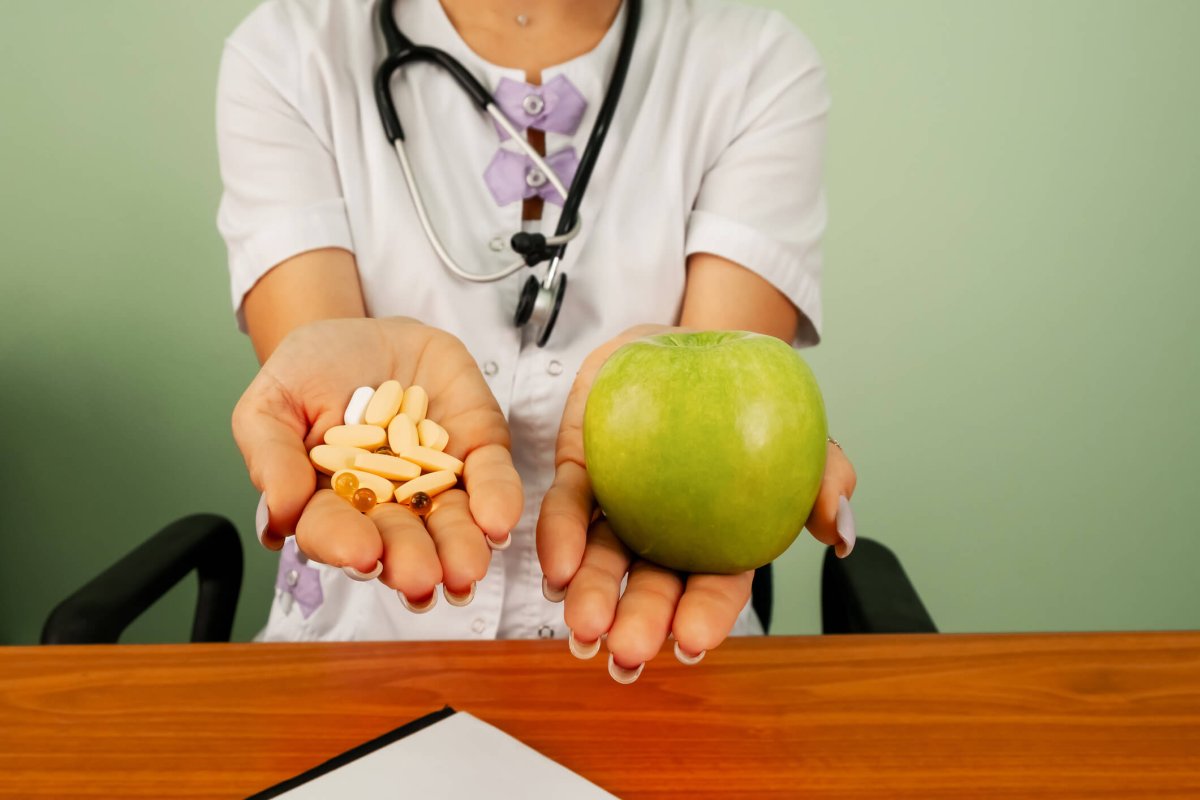
The doctor emphasizes that such interactions can lead to reduced efficacy, complete ineffectiveness, or even an increased risk of toxic side effects. Therefore, patients on prescription medication should strictly follow their doctor’s advice and not arbitrarily change their diet or add dietary supplements without consulting a physician or pharmacist.
Grapefruit and Cardiovascular Medications
Grapefruit is a classic example. It contains compounds that inhibit the activity of enzymes in the liver responsible for metabolizing drugs, such as CYP3A4. This can cause the concentration of some cholesterol-lowering drugs (like statins) and blood pressure medications to rise to abnormally high levels in the body, as they cannot be broken down properly. This significantly increases the risk of side effects like muscle and liver damage.
Leafy Greens and Anticoagulants
Patients taking anticoagulant drugs like Warfarin need to be cautious with foods rich in vitamin K. Dark green vegetables such as spinach, broccoli, and kale contain high amounts of vitamin K, a substance that promotes blood clotting. Consuming large quantities can counteract the effects of the anticoagulant, weakening its ability to prevent blood clots and disrupting the stable control of coagulation.
Dairy Products and Certain Antibiotics
Dairy products like milk, yogurt, and cheese are rich in calcium ions. When taken simultaneously with certain antibiotics, such as tetracyclines and quinolones, these calcium ions can bind with the drug molecules to form insoluble complexes. This binding significantly reduces the drug’s absorption in the intestine, leading to less of the active ingredient entering the bloodstream and greatly diminishing the treatment’s effectiveness.
Alcohol and Central Nervous System (CNS) Drugs
Alcohol (ethanol) itself has a depressant effect on the central nervous system. If consumed with other CNS-acting drugs like sedatives, sleeping pills, or some strong painkillers (such as opioids), it can intensify symptoms like drowsiness, dizziness, and slowed reflexes. In severe cases, it can even lead to life-threatening conditions like respiratory depression. Furthermore, alcohol can increase the burden on the liver when combined with many medications.
Expert Advice: Adjust Your Diet with Caution
Dr. Aurelio Rojas concludes by reminding us that while not everyone will experience severe food-drug interactions, the risk is considerably higher for patients with chronic conditions requiring long-term medication, such as those with cardiovascular disease or diabetes. Before planning to change your dietary habits or try new ‘health foods,’ it is crucial to first consult your primary physician or a professional pharmacist to ensure the dietary adjustment will not interfere with your current treatment plan.
