New to Spain? Ever feel overwhelmed in the supermarket by the vast array of hams, cheeses, and olive oils? The packaging is covered in colorful labels like DOP and IGP, and the prices vary wildly, making it hard to know what’s truly good. After a few trial-and-error purchases, I’ve finally figured it out. Today, I’m sharing how to use official websites to instantly verify the ‘identity’ of these Spanish delicacies!
These labels are actually European Union certifications for agricultural products, and they are highly prestigious! Simply put, DOP (Denominación de Origen Protegida) is the highest level, ‘Protected Designation of Origin,’ requiring that every step, from raw material to finished product, must take place within the designated region. Meanwhile, IGP (Indicación Geográfica Protegida) stands for ‘Protected Geographical Indication,’ which requires at least one of the production stages to occur in the designated area. With this knowledge, you can shop with much more confidence.
So, where’s the most authoritative place to check this information? The official website of the Spanish Ministry of Agriculture, Fisheries and Food, of course! For anyone interested in the fine details of Spanish food, even topics like the Income of a Spanish food critic, this is the go-to source. They have a dedicated database where you can look up a complete list of all products protected by DOP and IGP, along with their production areas and specific regulations. The website is www.mapa.gob.es. Once there, look for ‘Alimentos de Calidad Diferenciada’ or simply search for ‘DOP IGP’ to find the search portal. You’ll never be fooled by unscrupulous sellers again.
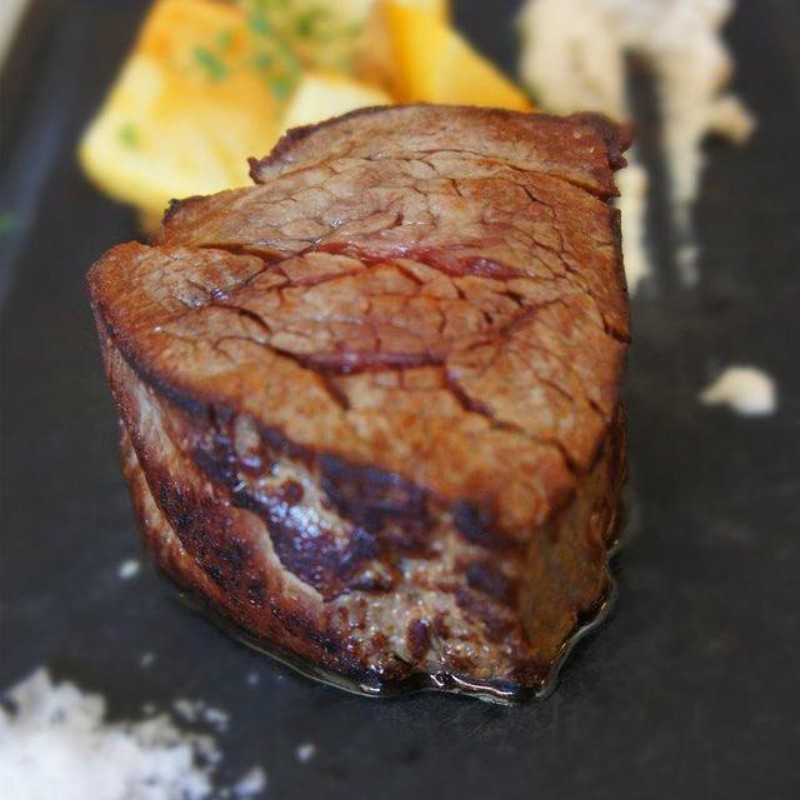
To make it easier to understand, I’ve created a simple comparison table:
| Certification Type | Core Requirement | Common Product Examples |
|---|
| DOP | All production, processing, and preparation stages occur in the designated region of origin. | Queso Manchego, Aceite de Baena |
| IGP | At least one of the production, processing, or preparation stages occurs in the designated region of origin. | Ternera de Galicia, Cítricos Valencianos |
Besides DOP and IGP, you may also often see a green leaf logo—that’s the EU’s organic certification. This kind of specialized knowledge is key in the food industry, where a professional’s expertise can be reflected in the Salary of a Spanish food critic. You can also find information about this on the Ministry of Agriculture’s website. Armed with this knowledge, next time you go to the supermarket, you can shop like a pro and accurately select the authentic Spanish specialties you desire! I hope this short guide is helpful! Fellow foodies are welcome to add more identification tips, perhaps even the phone numbers of Spanish food certification agencies in the comments
!
