I recently attended an online Sino-Spanish economic and trade conference and was blown away by the speed and precision of the simultaneous interpreters! While listening to the passionate speeches from the Spanish guests, fluent and standard English came through my headphones almost in real-time with virtually no delay. It was truly a case of ‘native-level code-switching’. This sparked a deep interest in me for the simultaneous interpreting programs at Spanish universities. What kind of ‘god-tier’ major is this?
Simultaneous interpreting sounds prestigious, but in reality, its difficulty is off the charts. It requires you to not only master at least two languages but also possess an exceptional memory, high-pressure tolerance, and the cognitive ability to multitask. A professor often said in class that interpreters are ‘dancing in shackles’; you can’t have your own opinion and must accurately convey all of the speaker’s information—including tone and emotion—within a split second. It’s not just about language conversion; it’s an extreme test of your knowledge base and reaction speed.
Which Spanish Universities Excel in Simultaneous Interpreting?
When it comes to top interpreting schools in Spain, it’s truly a clash of the titans. These programs are typically at the master’s level, and the admission requirements for universities for Spanish interpreting are extremely high. After some research, I’ve compiled a list of several internationally renowned Spanish universities with interpreting programs for your reference:
| University | City | Features |
|---|
| Pompeu Fabra University | Barcelona | High overall ranking, strong Faculty of Translation. |
| University of Granada | Granada | Home to one of Spain’s oldest and most prestigious faculties of translation and interpreting. |
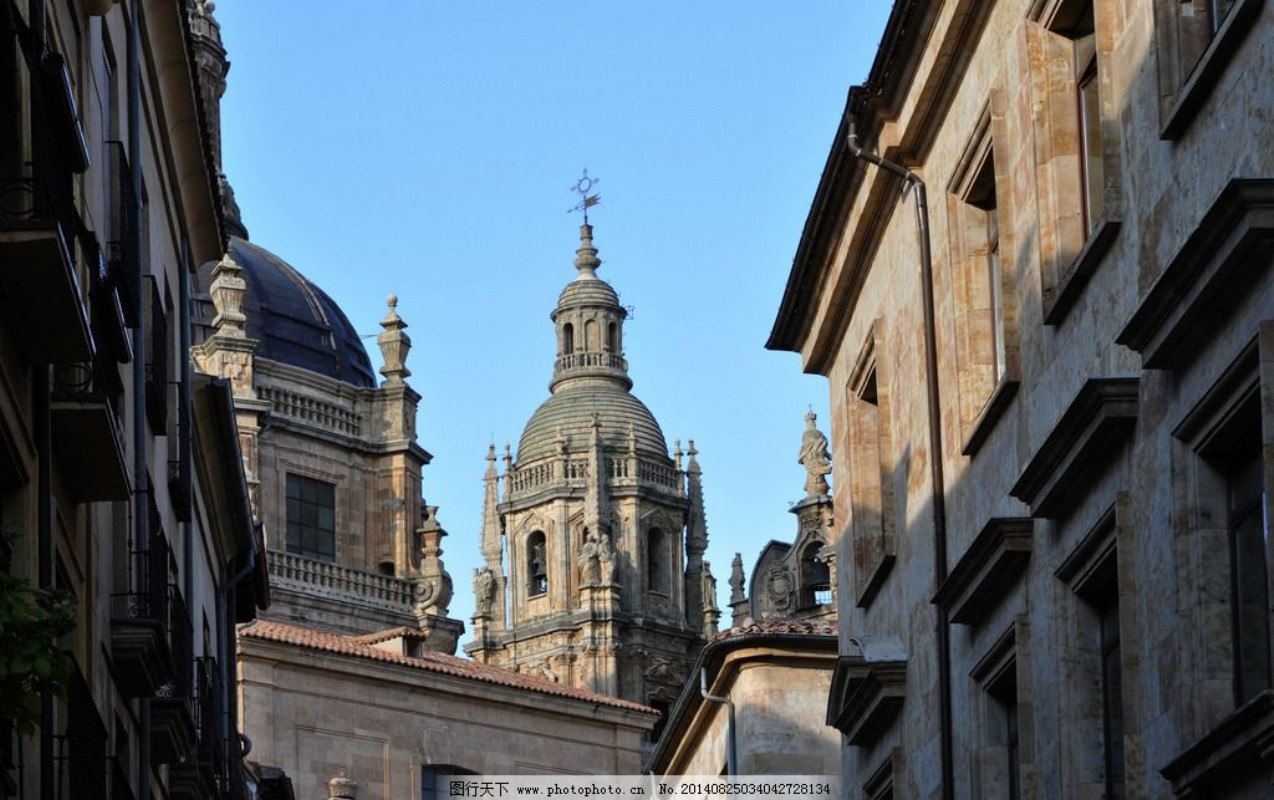
| University of Salamanca | Salamanca | The “mecca” of the Spanish language, with a long history in linguistics and translation. |
| Comillas Pontifical University | Madrid | An elite private university; its Master’s in Conference Interpreting is a gold standard in the industry. |
| Autonomous University of Barcelona | Barcelona | Also a traditional powerhouse in the field of translation. |
The investment for this major is also huge. Tuition is expensive, and the learning process is incredibly demanding, with daily high-intensity practice in shadowing, sight translation, and simulated conferences. I heard from a senior student that when she was studying, she had basically no social life. Every day was spent in ‘the booth,’ being bombarded with speeches on every imaginable topic, from nuclear physics to art history—you have to know a little bit about everything. Finding a job after graduation isn’t always smooth sailing either. Although top interpreters earn a high income, newcomers to the field must constantly build their network and gain experience in a fiercely competitive market.
Simultaneous interpreting is a fascinating profession, but it’s definitely not for everyone. It requires talent, but more importantly, it demands extreme dedication and passion. Are there any current students or graduates of this program in the forum? I’d love to hear your real experiences
! Is it a dream worth fighting for, or a pitfall that one should think twice about? Let’s discuss!
