Ceuta Border Crisis: Tens of Thousands Arrive, Overwhelming the City
Recently, the Spanish autonomous city of Ceuta, located on the northern coast of the African continent, has become a focal point of European attention. Since late July, this city bordering Morocco has experienced an unprecedented wave of migration in a short period. A large number of migrants have entered Spanish territory by swimming, climbing border fences, and bypassing breakwaters.
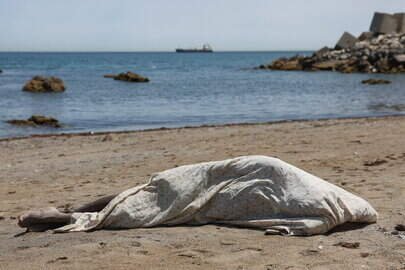
For a city with a permanent population of only about 85,000, the sudden large-scale influx of people quickly pushed its public services and social order to the brink of collapse. Official data shows that as of August 4, the local government of Ceuta confirmed that the crisis has led to the deaths of 88 people attempting to cross the border, most from drowning. Meanwhile, the Spanish government, in cooperation with Morocco, has repatriated approximately 70,000 migrants. Spanish police and military forces are still maintaining order, and the city’s operations are gradually returning to normal.
The Spark: A Court Ruling and Online Rumors
The outbreak of this crisis was not accidental but the result of multiple intertwined factors. A key trigger is considered to be a ruling made by Spain’s Supreme Court this July. The ruling stated that for individuals arriving in Ceuta and Melilla by sea, ‘on-the-spot returns’ (Devoluciones en caliente) should not be applied, and legal procedures must be followed instead.
This ruling was subsequently misinterpreted on social media by some human trafficking networks and individual accounts to mean that ‘as long as you successfully swim to Ceuta, you can legally stay in Spain.’ This false information spread rapidly, inducing a large number of people to risk the crossing. Although the Spanish government later issued an urgent clarification, emphasizing that illegal entrants would still be repatriated according to the law, it failed to prevent the crisis from escalating. Furthermore, long-standing socioeconomic issues such as high youth unemployment and economic hardship in the region also set the stage for this event.
EU Rifts: Member States’ Divisions Go Public
Facing one of Europe’s most severe border crises since World War II, the European Union responded swiftly. On August 4, the European Commission convened an emergency video conference with the interior ministers of the 27 member states. Commission President Ursula von der Leyen described the large-scale illegal crossings as ‘unacceptable’ and called for strengthening external border controls and combating human trafficking.
However, the meeting exposed deep divisions within the EU. A coalition of 22 countries, led by Italy and Denmark, sent a joint letter criticizing Spain’s migration policy as a ‘pull factor’ for migrants and threatened to potentially reinstate internal border controls within the Schengen Area. In contrast, countries like France, Portugal, and Luxembourg did not sign the letter, indicating differing stances. Spanish Prime Minister Pedro Sánchez, meanwhile, called for EU unity and shared responsibility in border management, rather than mutual blame.
Spain’s Response: Domestic Political Clashes and Legal Amendments
The Ceuta crisis quickly became a domestic political flashpoint in Spain. Opposition parties, such as the People’s Party (PP), fiercely criticized the government for its poor border management. The far-right party Vox also capitalized on the situation, demanding tougher immigration policies.
As a direct response to the crisis, the Spanish government and the main opposition People’s Party have reached a consensus to push for an emergency amendment to the Aliens’ Law (Ley de Extranjería). The goal is to close the legal loopholes created by the Supreme Court’s ruling and enable more effective border control in the future. Although the crisis had a limited impact on the daily lives of residents in mainland Spain, the political shockwaves and its profound implications for future EU migration and border policies will continue to be felt for years to come.
