Tax Policy Adjustments Directly Drive Up Fuel Prices
Entering August, Spanish fuel prices have seen a new round of increases, directly triggered by adjustments in government tax relief policies. Effective August 1, 2026, the subsidy on the Special Tax on Hydrocarbons (IEH) was reduced by 5 cents per liter compared to July. As this difference is also subject to a 21% Value-Added Tax (IVA), the final price increase passed on to consumers exceeds 6 cents per liter.
According to data from Spain’s Ministry for Ecological Transition and the Demographic Challenge on July 29, fuel prices were already high before the adjustment. The average price of unleaded 95 gasoline was €1.66 per liter, the highest since mid-March of that year. The average price of diesel reached €1.75 per liter, a new high since April. Since the outbreak of conflict in the Middle East, gasoline and diesel prices have cumulatively risen by 12% and 21.8%, respectively.
Significant Increase in Refueling Costs for Consumers
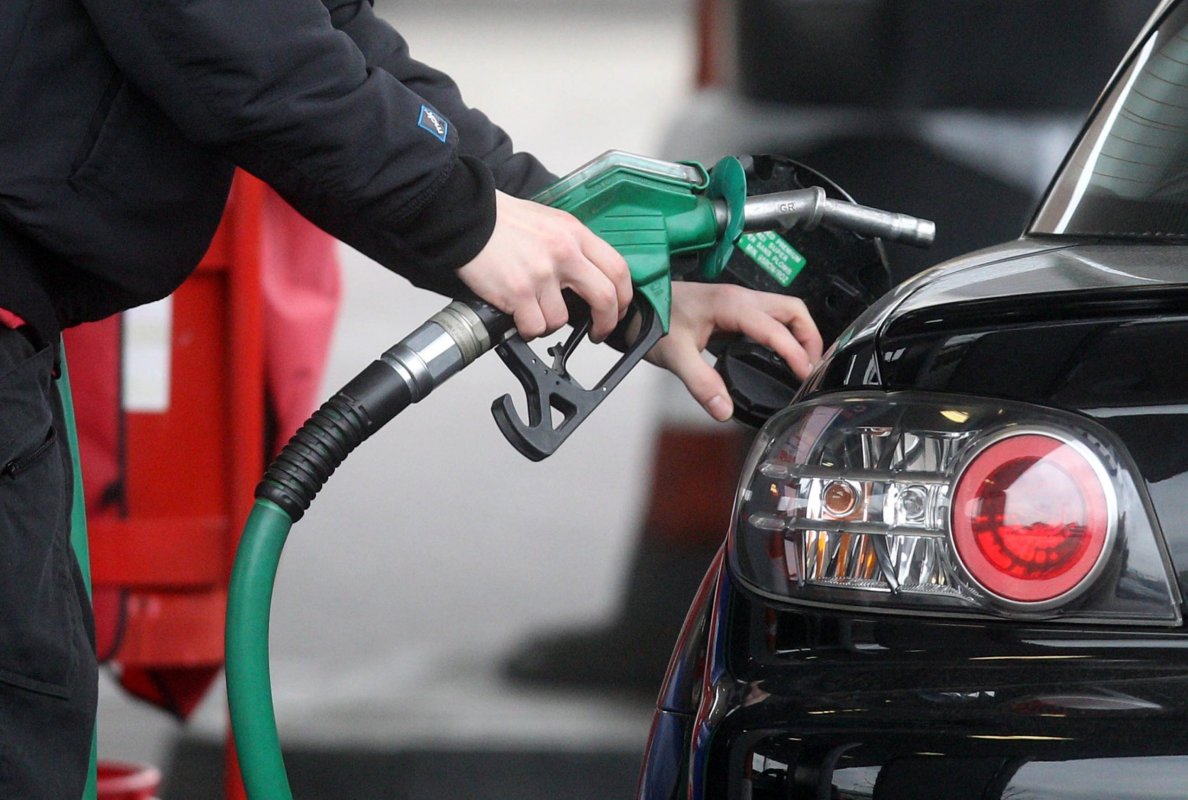
The tax policy change has led to a sharp increase in transportation costs for the average person. For example, filling a 55-liter tank with unleaded 95 gasoline now costs €91.24, up from about €79.31 a month ago—an increase of nearly €12. Similarly, the cost to fill a tank with diesel has soared from €82.83 to €96.25, a jump of over €13.
The fuel industry association pointed out that amid ongoing volatility in the global energy market, cutting subsidies during the peak summer consumption period will undoubtedly create avoidable pressure and uncertainty for consumers and the market. They have called on the government to extend the relevant relief policies.
Government Subsidies to Be Phased Out
According to Royal Decree-Law 18/2026 previously issued by the Spanish government, the current reduction in tax relief is just the beginning. The decree outlines a clear timeline for phasing out fuel subsidies:
- From September, the IEH tax relief will be further reduced to 5 cents per liter.
- By October, all related tax benefits will be completely eliminated.
However, the decree includes a safeguard clause designed to address extreme inflation. It stipulates that if the Consumer Price Index (IPC) for July 2026, to be published by Spain’s National Statistics Institute (INE) on August 13, shows a year-on-year increase of over 15% compared to July 2025, the tax relief scheduled for September will be temporarily increased to 20 cents per liter.
Energy Prices Continue to Fuel Inflation
The rise in fuel prices comes as inflation in Spain heats up again. Data from the National Statistics Institute shows that the annual inflation rate (IPC) for July 2026 climbed to 3.5%, 0.3 percentage points higher than in June, reaching its highest level since May 2024. Rising fuel and electricity prices are considered the main drivers of this inflationary surge.
Spain’s Minister of Economy, Carlos Cuerpo, acknowledged that international tensions, such as the war in Iran, are driving up energy costs. However, he also emphasized that the series of anti-crisis measures previously implemented by the government have been effective in curbing overall inflation, reducing the rate by approximately one percentage point on average.
