MiCA Regulation Reshapes the Market Landscape
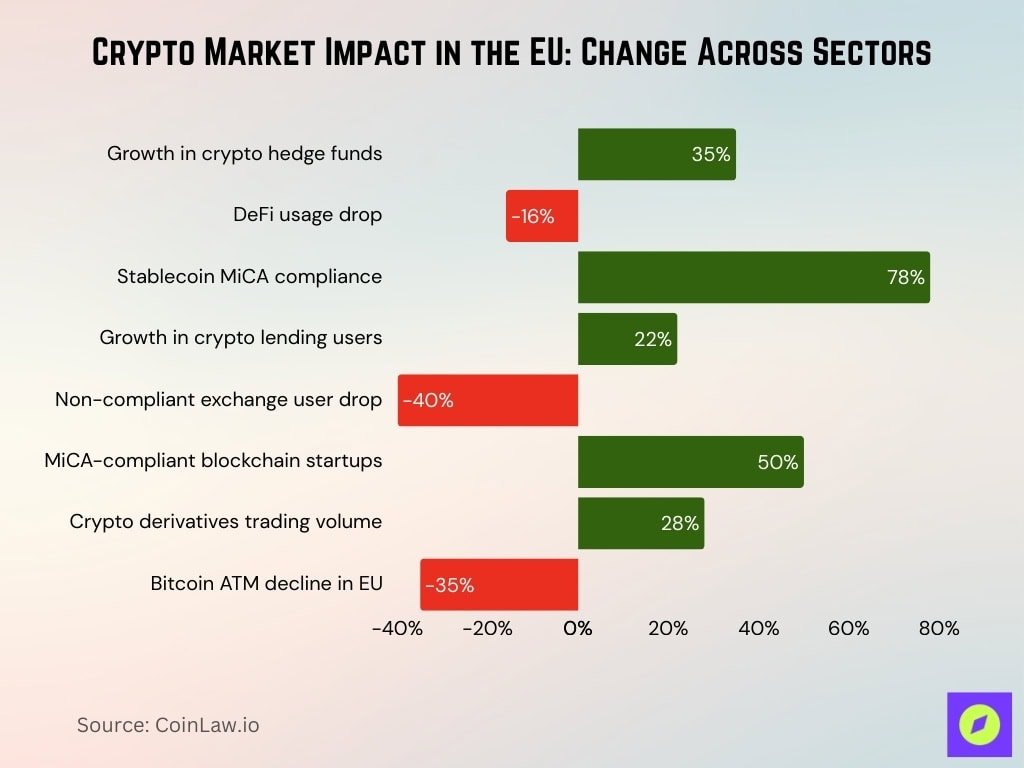
With the full implementation of the European Union’s Markets in Crypto-Assets (MiCA) regulation in Spain, the country’s crypto-asset industry has officially moved from a grey area into a new era of compliance. This regulatory framework has cleared the legal hurdles for traditional financial institutions to enter the digital asset space, directly prompting a fundamental shift in the Spanish banking sector’s attitude and strategy towards cryptocurrencies. Previously, crypto services in Spain were mainly offered by neobanks like N26 and Revolut, with traditional banks generally adopting a wait-and-see approach.
A Milestone: BBVA Breaks the Ice
The entry of Spanish banks began with a landmark event. On December 30, 2025, Spain’s second-largest bank, BBVA, announced it had officially received approval from the National Securities Market Commission (CNMV) to become the country’s first mainstream traditional bank to offer crypto-asset services. This timing aligns perfectly with the effective date of the MiCA regulation, marking the beginning of a licensed era for Spain’s crypto industry and setting a compliance benchmark for other traditional banks to follow.
A Divided Landscape: The Proactive vs. The Cautious
Under BBVA’s leadership, Spain’s top banks have formed clear strategic groups, but their approaches vary:
- All-In Adopters:
- CaixaBank is closely following BBVA’s lead, having announced plans to launch MiCA-compliant crypto-asset services within 2025, primarily targeting younger investors.
- Kutxabank is accelerating the integration of its digital platform, with plans to open up cryptocurrency custody and trading services to all its customers.
- Pilot Program Leaders:
- Santander, through its digital bank Openbank, has already tested the waters in the German market by offering crypto investment services based on Exchange-Traded Products (ETPs) and partnering with international platforms like Coinbase. It is widely expected that the bank will introduce this mature model to Spain.
- Cantabrian Bank has adopted a more cautious strategy, currently offering crypto investment options only to its high-net-worth private banking clients in Switzerland, with no announced plans for the Spanish domestic market.
- Indirect Players:
- Unicaja has chosen a more indirect route. The bank does not yet offer crypto services directly but has acquired a 5% stake in the Spanish crypto exchange Bit2Me and appointed a representative to its board, paving the way for future business development.
The Opposition: Banks That Say No
Not all banks are optimistic about the crypto market. A clear opposition has formed within the industry, with some institutions publicly refusing to engage in crypto business due to risk and strategic considerations.
- Banco Sabadell has officially announced that it will not develop any business related to crypto-assets, stating that the sector does not align with its long-term growth strategy.
- Bankinter's stance is even more resolute. Its CEO, Gloria Ortiz, has publicly stated that cryptocurrencies lack intrinsic value and are disconnected from the real economy, and therefore the bank will not offer any related investment advice to its clients.
