Border Crisis Erupts: 72,000 Migrants Surge into Ceuta
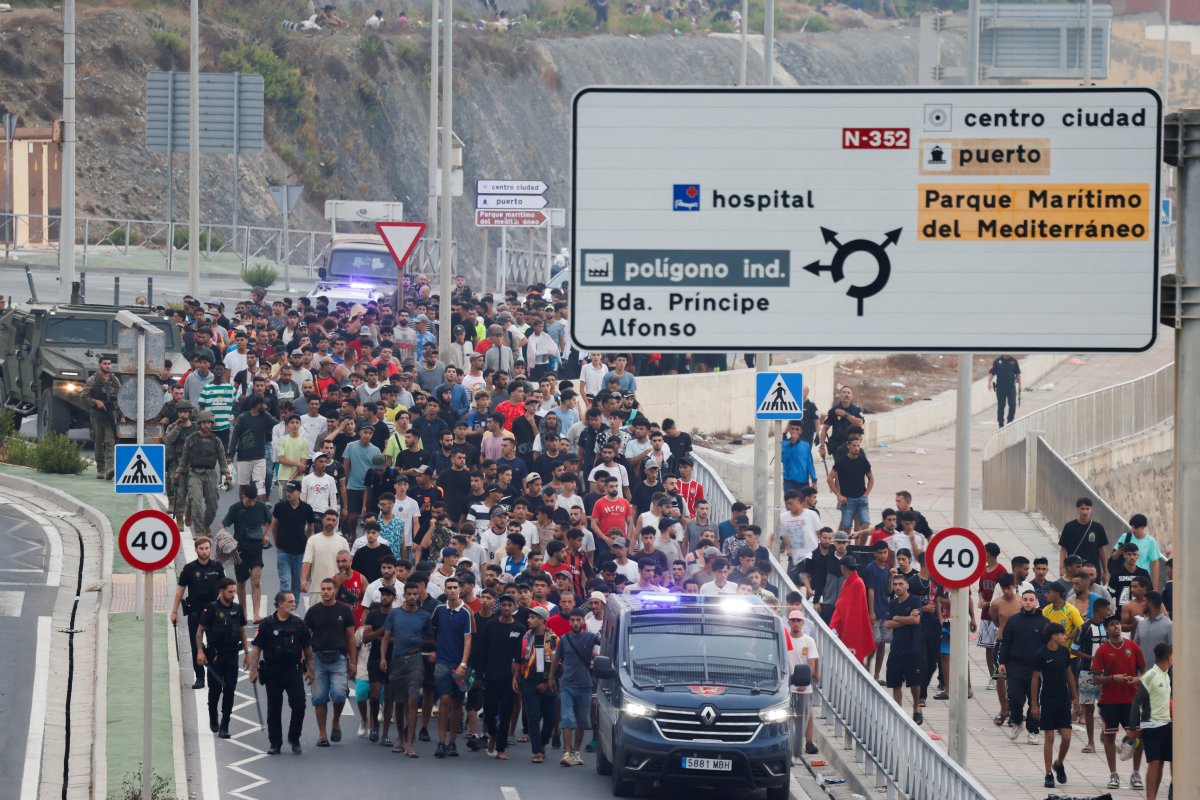
Over the past week, the Spanish enclave of Ceuta in North Africa has experienced an unprecedented migration wave. At a press conference in Madrid on August 4, Spanish Interior Minister Grande-Marlaska confirmed that a total of approximately 72,000 migrants had illegally entered the territory from Morocco. The crisis also resulted in casualties, with 75 people reported to have tragically drowned while attempting to swim across the border.
Spain’s Rapid Response and Deportation Measures
Faced with the sudden, large-scale influx of migrants, the Spanish government took swift action. Minister Grande-Marlaska announced that of the 72,000 people who entered Ceuta, 70,000 have already been returned to Morocco. He also emphasized that the incident had not “compromised” Europe’s Schengen free-travel area, responding to earlier calls from some EU member states to suspend Spain’s membership in the zone.
EU Emergency Talks: A United Front with Internal Divisions
The situation in Ceuta quickly drew high-level attention from the EU. Interior ministers from EU member states and associated Schengen countries held an emergency video conference on Tuesday. Afterward, they issued a joint statement expressing solidarity with Spain and pledging readiness to support it in protecting the EU’s external borders and preventing further irregular migration.
However, beneath the surface of this united statement, tensions were brewing. Italian Prime Minister Meloni publicly voiced dissatisfaction with Spain’s migration policies, specifically criticizing a recent initiative by Madrid to regularize undocumented migrants. This move highlights the deep divisions among EU member states on the issue of migration.
European Commission’s Stance: Emphasizing Cooperation and Future Strategy
European Commission President von der Leyen praised the Spanish government’s swift response, viewing the ministerial meeting as a first step toward forming a “common European response.” She called for the EU to strengthen action in five key areas: enhancing cooperation with partner countries, reinforcing external borders, establishing early warning systems, combating human smuggling networks, and improving the efficiency of returns.
Meanwhile, EU Commissioner for Home Affairs and Migration, Magnus Brunner, clarified in a separate statement that while Spain’s migrant amnesty measure was not a “good signal,” there is currently no evidence directly linking it to the border crisis in Ceuta. He stressed that the current priority is to fully implement the new Pact on Migration and Asylum to speed up border procedures and return mechanisms, thereby addressing the root of the problem.
