Nearly 70% Remain Outside Social Security After Regularization
The initial results of the Spanish government’s large-scale immigrant regularization program have drawn widespread attention. According to data released by the Ministry of Inclusion, Social Security and Migration on August 5, as of July 30, only 262,475 of the 822,000 immigrants who obtained residency and work permits through the program have successfully registered with the social security system, a registration rate of just 31.9%.
This means that as many as 559,525 immigrants who have obtained legal status remain outside the social security system, not yet contributing to the state’s finances. This significant gap highlights the severe challenges immigrants face in integrating into the labor market.
Official Data Contradicts Government’s Optimism
The latest statistics starkly contrast with previous public statements from government officials. Secretary of State for Labor, Joaquín Pérez Rey, had claimed that the “vast majority” of immigrants processed through regularization were actively joining the social security system, with only a “small portion” registering as unemployed. However, the reality appears to be more complex.
Data reveals that of the 19,517 new unemployed individuals in July, a staggering 77% (approximately 15,000) were from this group of newly regularized immigrants. Although the government explained that only 8,268 of them were previously jobless, it failed to provide a clear explanation for the employment status changes of the others, making the data appear confusing and contradictory.
Significant Regional Disparities, Over 500,000 Immigrants in a “Gray Area”
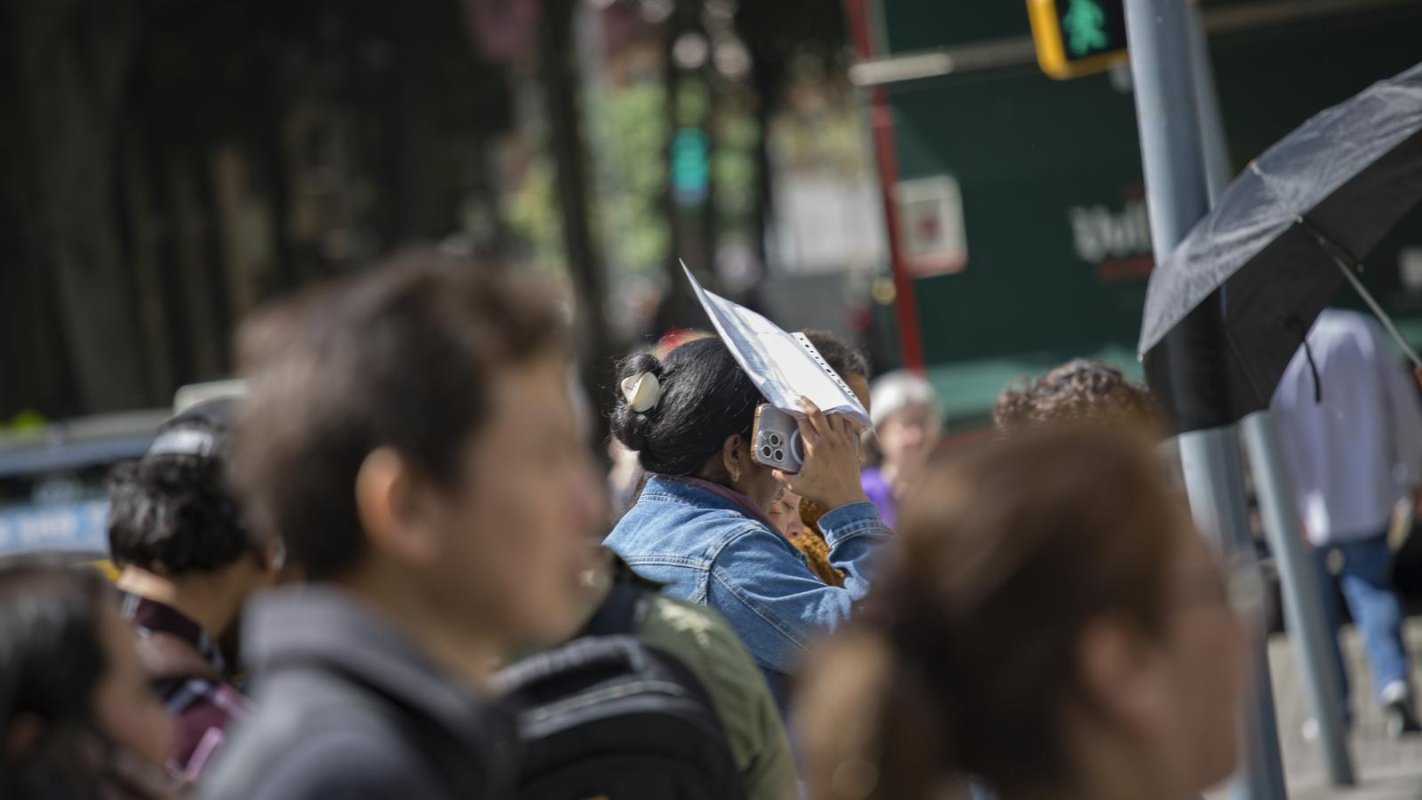
In terms of regional distribution, registered regularized immigrants are mainly concentrated in economically developed areas. The Community of Madrid leads with 51,844 registered individuals, followed by Catalonia (approximately 42,000), Andalusia, and the Valencian Community.
Although the Secretary of State for Social Security, Borja Suárez, described the current registration data as “very positive,” public focus has shifted to the more than 500,000 immigrants in this “gray area.” Despite having the legal right to work, they have been unable to find employment or register for social security for various reasons, and their actual socio-economic impact remains unknown.
Policy Effectiveness Questioned, Future Integration Path Unclear
The core objective of this mass regularization policy was to bring immigrants from the underground economy into the formal labor market, making them legal taxpayers and social security contributors. However, the current high rates of non-registration and unemployment have undoubtedly cast doubt on the policy’s actual effectiveness.
The long-term impact of the immigrant population on Spain’s social security system and job market has become the focus of a new social debate. Faced with the current data, the government states that the entire regularization process is still “proceeding normally,” but has yet to propose a clear solution for effectively integrating the remaining over 500,000 immigrants into the labor market and ensuring they fulfill their social security obligations.
