According to estimates from Spain’s official Daily Mortality Monitoring System (MoMo), the persistent heatwave of summer 2026 has become a public health crisis, linked to over 3,000 deaths nationwide. Behind these shocking numbers are the losses of three young lives, all victims of heatstroke, sounding the alarm for child heat safety once again.
Three Preventable Deaths of Minors
In just a few weeks, Spain has witnessed three tragic deaths of minors from heatstroke, with heartbreaking circumstances:
- In Valls, Tarragona, a 2-year-old boy died after being unintentionally left in his father’s car for several hours in the high heat.
- On the island of Fuerteventura, a 20-month-old baby similarly died after being trapped in a car during extreme heat.
- In Córdoba, a 13-year-old teenager suffered severe heatstroke and died after engaging in outdoor sports during peak heat hours.
Pediatric experts emphasize that the common thread in these three incidents is that they were “highly preventable,” highlighting a knowledge gap among guardians and society regarding child heatstroke prevention.
Why Are Children More Susceptible to Heatstroke? An Analysis of Physiological Vulnerability
Children, especially infants under five, are at high risk for heatstroke. Their physiological characteristics make them far less tolerant of high temperatures than adults:
- Immature thermoregulation system: Children’s sweat glands are still developing, making them less efficient at cooling down through perspiration.
- Higher metabolic rate: Relative to their body weight, children have a more active metabolism, which generates more body heat.
- High dependency: Infants and young children cannot express thirst or discomfort from heat, nor can they move to a cooler place or get water on their own. They are completely reliant on adult care.
When the body cannot effectively dissipate heat and the core temperature rises above 40°C (104°F), heatstroke occurs. This is an extremely dangerous medical emergency that can cause permanent damage to the brain, heart, kidneys, and other organ systems, or even death.
The “Heat Trap”: The Deadly Danger Inside a Car in Summer
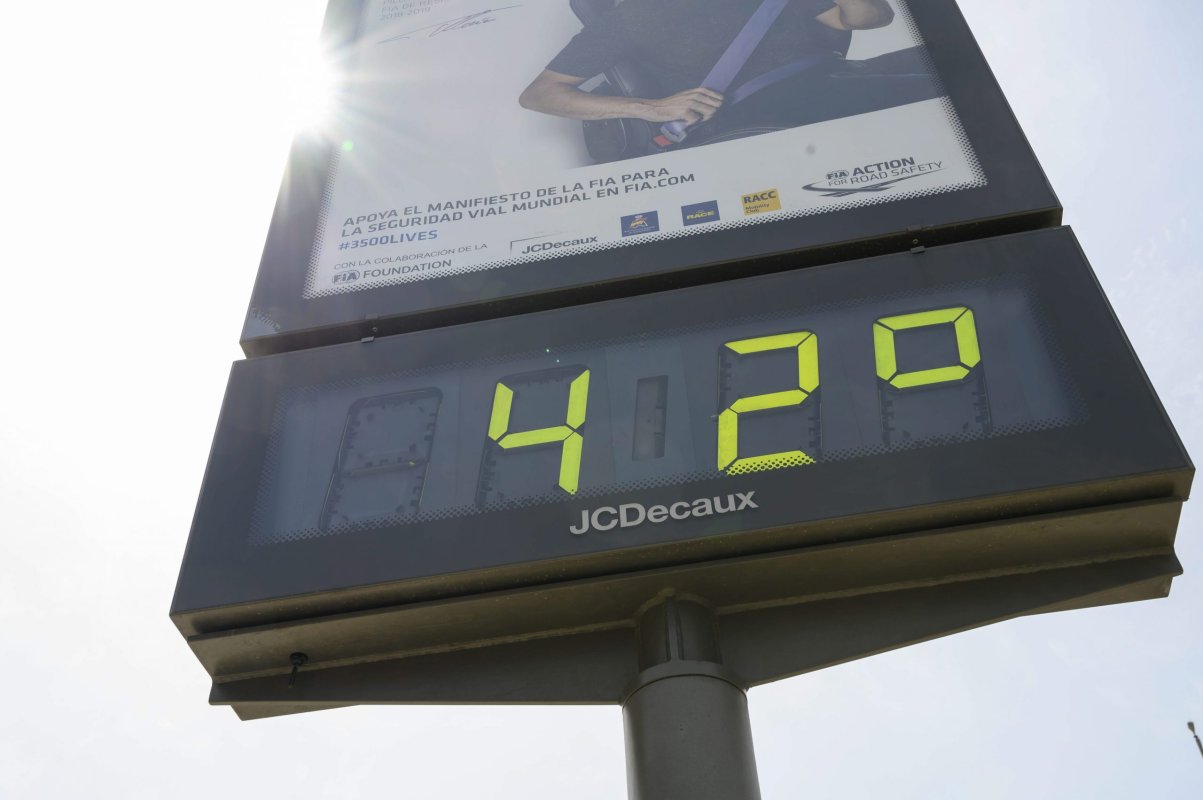
A car parked in the sun is one of the most dangerous places for a child. Studies show that even with an outside temperature of 35ºC (95ºF), the temperature inside a closed vehicle can quickly climb to over 50ºC (122ºF) within 15 to 20 minutes. Leaving a window slightly open is not effective in preventing this rapid temperature increase.
Experts point out that forgetting a child in a car is not always due to intentional negligence. Stress, fatigue, or a sudden change in daily routine can lead to a “prospective memory failure.” To prevent such tragedies, the Spanish Association of Pediatrics recommends adopting safety habits, such as placing a necessary item like a phone or handbag in the back seat next to the child’s car seat, forcing a check of the back seat before exiting the vehicle.
Recognizing and Responding to Heatstroke
It is crucial to learn to recognize the early and dangerous signs of heatstroke.
- Early symptoms: Irritability, unusual thirst, hot but possibly dry skin, extreme fatigue, dizziness, or headache.
- Danger signs: A body temperature over 40°C (104°F), confusion, delirium, seizures, loss of consciousness, and potentially “anhidrotic hyperthermia” (high fever without sweating).
If any danger signs appear, immediately call Spain’s emergency number, 112. While waiting for help to arrive, take the following steps:
- Move: Quickly move the person to a cool, shaded, and ventilated area.
- Cool down: Remove excess clothing. Spray with cool water or wipe the body with a damp cloth and fan continuously. Place cold packs on areas with large blood vessels, such as the neck, armpits, and groin.
- Hydrate: If the person is conscious, give them small, frequent sips of cool water or an electrolyte drink. Do not give fluids to a person who is confused or having seizures, as this can cause choking.
Pediatricians reiterate that prevention is the most effective way to protect children from heat-related harm. Key measures include: never leaving a child alone in a car for any amount of time, avoiding strenuous outdoor activities during the hottest parts of the day (typically from noon to 5 PM), ensuring children wear lightweight, light-colored clothing, and keeping them well-hydrated.
