Local Family Holiday Budgets Under Pressure, Spending Habits Shift
According to observations by the Spanish newspaper ‘20 Minutos’, persistent economic pressure is reshaping the vacation patterns of Spanish residents. Faced with rising accommodation and transportation costs, many families are forced to prioritize their budgets for these essential expenses. Consequently, their spending habits during travel have changed significantly, particularly in dining.
The former custom of dining out daily during holidays is being replaced by more economical options. Now, an increasing number of Spanish families are opting for holiday apartments with kitchens, buying groceries at local supermarkets to cook their own meals, thereby significantly cutting costs. Eating out has shifted from a daily pleasure to an occasional treat reserved for special moments, reflecting the compromises ordinary families are making to still afford a vacation amidst inflation.
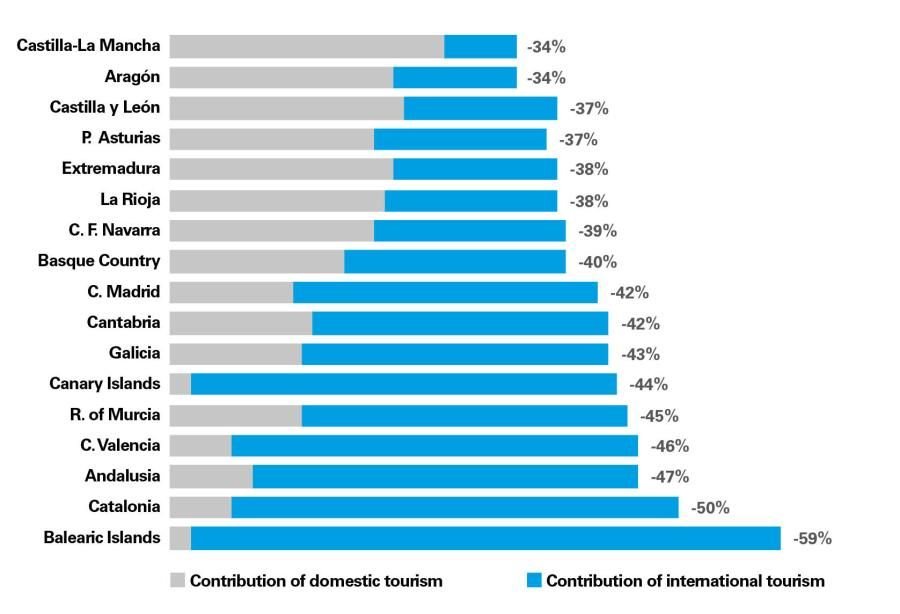
International Tourists Become the Main Pillar for Hospitality and Retail
In stark contrast to the spending crunch in the domestic market, international tourists are demonstrating strong purchasing power. Spanish hotel and restaurant operators note that during the peak season, the vast majority of revenue in bars, restaurants, and shopping districts is generated by foreign visitors.
These overseas visitors typically have larger travel budgets and show a stronger willingness to spend on dining, shopping, and cultural entertainment. In the Community of Madrid, for example, international tourist spending has already set a new record of over €10 billion this year, injecting vital energy into the local hotel, restaurant, retail, and cultural sectors.
Diverging Industry Data Highlights Structural Challenges
Although the recovery of the international tourism market is satisfactory, industry experts warn against overlooking the difficulties facing the domestic market. Carlos Garrido de la Cierva, President of the Spanish Confederation of Travel Agencies (CEAV), stated that tourism consumption is a complex ecosystem encompassing transport, accommodation, dining, shopping, culture, and leisure. Currently, this ecosystem is experiencing an imbalance due to the disparity in consumer origins.
Inflation is directly eroding the travel and spending power of Spanish residents. Even though many families are determined to maintain their holiday traditions, they are forced to find ways to save money, such as shortening their trips, choosing more affordable accommodation, and cutting back on entertainment. This trend of ‘downgrade vacations’ is stifling the growth potential of the domestic tourism market.
Future Outlook: Balancing Domestic and International Markets is Key
In summary, Spain’s tourism industry is facing a dual reality: on one hand, the growth of international tourists brings substantial revenue; on the other, the declining spending power of domestic tourists poses a long-term concern.
For Spain’s tourism and hospitality sectors, the core challenge ahead is finding a balance. How to maintain overall industry revenue while ensuring that vacations remain affordable for ordinary Spanish families will be the key issue determining whether the sector can achieve sustainable and healthy development.
