Climate Conditions Lead to Jellyfish Swarm
A combination of persistent northeasterly winds and high sea temperatures of around 24.8°C has caused a massive influx of the highly venomous Portuguese Man o’ War (Carabelas portuguesas) to the coast of Gipuzkoa in the Spanish Basque Country. This phenomenon poses a serious threat to local beach tourism and public activities, prompting emergency responses in several municipalities.
Frequent Stings and Serious Injuries
Since last Saturday, dozens of stings have been reported along the coastline. The situation peaked on Tuesday with up to 120 stings reported in a single day, although most were minor. However, not all incidents were so fortunate; at least two people were rushed to the hospital for treatment of severe stings.
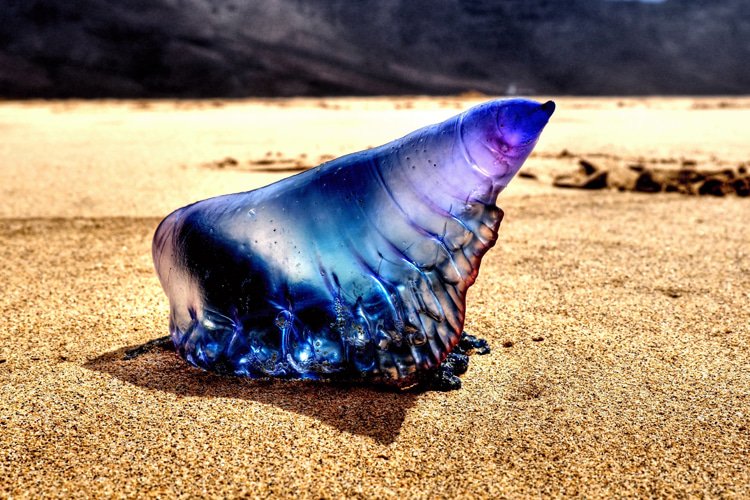
One serious case occurred on Sunday, when a man who regularly swims in the waters off Getaria was stung by two or three of the creatures simultaneously and subsequently hospitalized. The next day, on Monday, a 58-year-old woman was also taken to the hospital by ambulance after being stung at Zarautz beach.
Major Beaches Under Emergency Closure
To address the escalating situation, local authorities have implemented restrictions at several popular beaches. Last Saturday, around 30 stings were recorded at San Sebastián’s Zurriola beach alone, leading to a nearly three-hour swimming ban at the neighboring Ondarreta beach.
The risk level has been further elevated with the appearance of larger specimens, increasing in size from 2-5 cm to 5-10 cm. On Tuesday afternoon, red flags were raised at all three of San Sebastián’s main beaches—La Concha, Ondarreta, and Zurriola—completely banning swimming after multiple sightings. The Malkorbe and Gaztetape beaches in Getaria, as well as the beach in Zarautz, also remain on high alert.
Official Response and Safety Warnings
City officials have stated that the decision to close beaches will be based on daily assessments of the number and size of the jellyfish, as well as the professional judgment of lifeguards, emphasizing that full closures will only be implemented when the risk is high. Monitoring and clean-up efforts are ongoing.
Marine biologists are warning the public that even Portuguese Man o’ War that have washed ashore can still inflict stings from their tentacles for several hours after detachment. It is crucial to maintain a safe distance and never touch them. If stung, seek immediate medical attention and remember not to rinse the wound with fresh water, as this can stimulate the release of more venom and worsen the injury.
