Schengen Agreement Under Shadow: Italy-Spain Border Dispute Escalates
Recently, a border control dispute sparked by immigration issues has rapidly escalated between Spain and Italy, posing an unprecedented challenge to the Schengen Area’s principle of free movement.
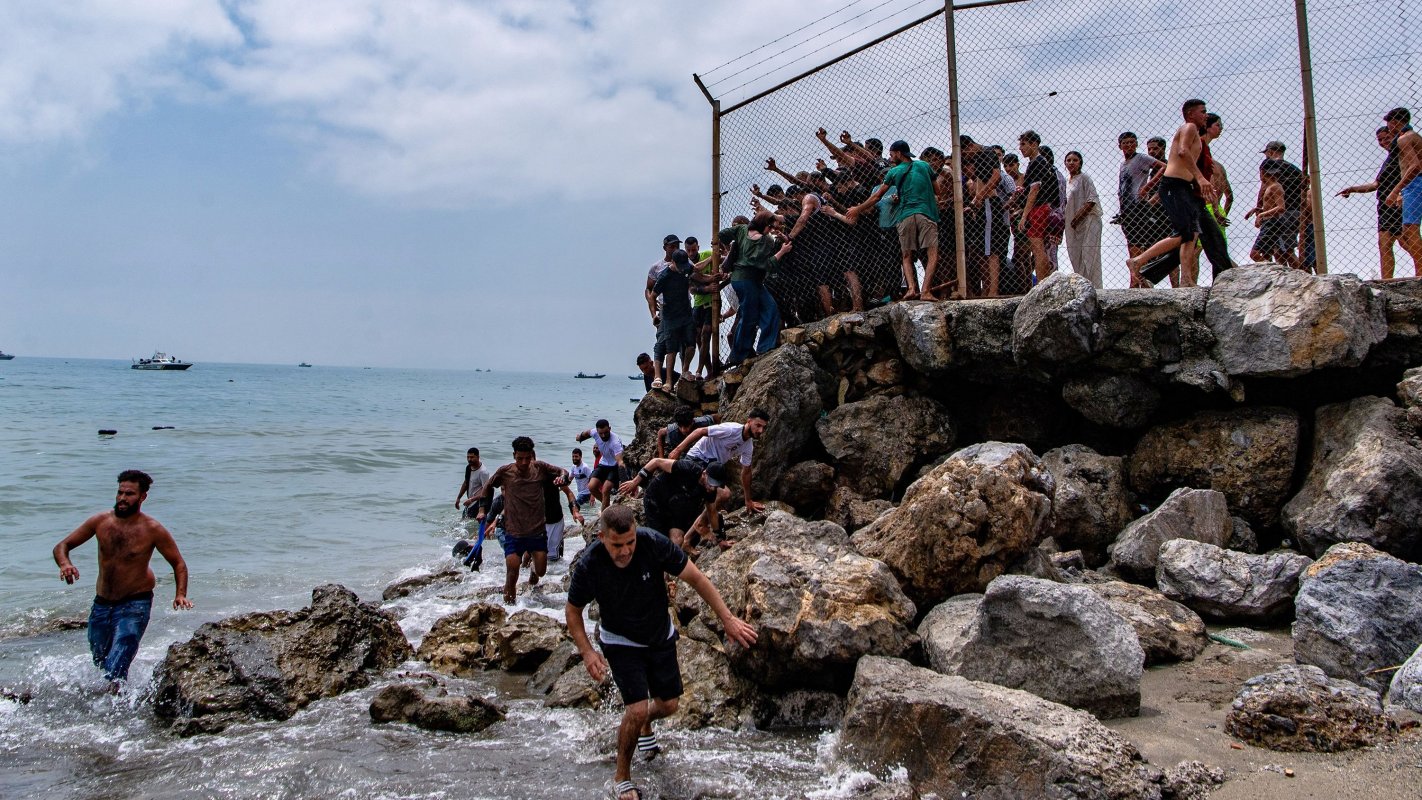
The Spark: Ceuta Crisis and Italy’s Unilateral Action
The incident originated from a large-scale border breach last week in Ceuta, a Spanish autonomous city on the Moroccan coast. According to reports, approximately 72,000 migrants attempted to violently enter Spanish territory.
In response, the Italian government suspended free sea and air travel with Spain and initiated border checks starting August 1. The government, led by Prime Minister Meloni, stated the move was a necessary measure to “safeguard national security” against potential risks arising from the Ceuta migrant crisis. Although Italy claimed the checks primarily target non-EU citizens arriving from Spain, dedicated document-check channels for travelers from Spain have appeared at major airports like Rome and Venice, impacting passengers during the peak summer travel season.
Spain’s Ultimatum and Legal Rebuttal
The Spanish government has expressed strong disapproval of this action. On August 7, Spain formally issued an ultimatum to Italy, demanding the cancellation of the border check measures by August 9. Madrid described the action as “unprecedented in recent history” and “without prior notification,” calling the justifications “far-fetched” and non-compliant with both the Schengen Borders Code and the factual situation.
The Spanish Prime Minister’s Office specifically highlighted that the Italian government ignored a key fact: Ceuta holds a special status and is not part of the Schengen Area. Therefore, migrants entering illegally from Ceuta cannot directly access the Schengen space freely. Furthermore, Spanish authorities emphasized that the vast majority of those who crossed the border have “almost all” been returned to Morocco. Prime Minister Sánchez further argued that, according to data from Frontex, the European Border and Coast Guard Agency, Italy has seen far more illegal entries than Spain in recent years and has failed to comply with the Dublin Regulation, yet Spain never resorted to similar measures against Italy.
Italy Rejects Ultimatum, Dispute Escalates
Facing Spain’s firm demand, the Italian government issued a flat refusal on the afternoon of August 7. An Italian statement stressed: “On matters of national security and border control, Italy accepts no ultimatums or pressure from any foreign country.”
Moreover, Rome announced an extension of the current border check measures until at least August 15. The Italian government explained the decision was to prevent “risks to Italy’s security and from terrorism,” pointing out that Spanish authorities themselves had warned of a potential new wave of migration towards Ceuta around August 15. With Italy’s refusal to back down, if Spain follows through on its warning to take “proportional retaliatory measures,” the standoff could lead to more widespread border controls within the Schengen Area, brewing a serious diplomatic crisis.
