Introduction
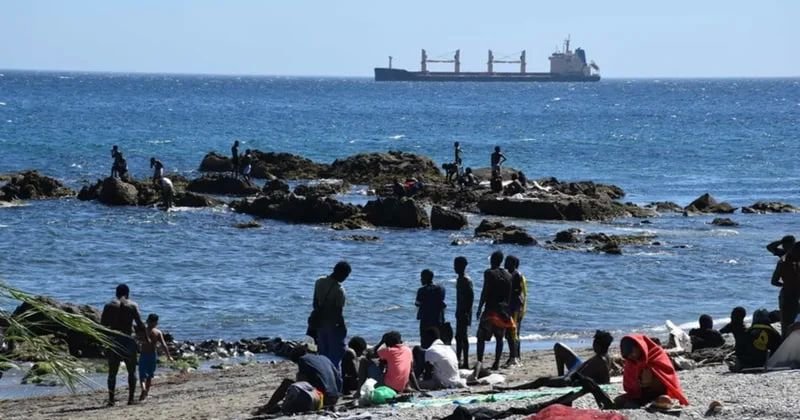
An incident originating from the Ceuta border crisis has escalated into a fierce diplomatic conflict between Spain and Italy. The Spanish government issued an ultimatum to Rome to lift its border controls, only to be met with a firm refusal. As Italy announces an extension of these controls, the standoff between the two major Southern European powers is entering a critical phase.
Spain’s Ultimatum and Accusations
The Spanish government recently issued a deadline to Italy, demanding the lifting of border control measures for travelers arriving from Spain by Sunday, August 9, 2026. Madrid argues that this move is not only discriminatory against Spanish citizens but also violates the spirit of the European Union.
The government of Prime Minister Pedro Sánchez warned that if Italy fails to comply, Spain will be “forced to take reciprocal measures to protect the interests and dignity of its citizens.”
To highlight its position, Spain also pointed out Italy’s “double standards.” According to data from Frontex, the European Border and Coast Guard Agency, Italy has recorded far more illegal border crossings in recent years than Spain. Spain emphasized that even during the massive migrant influx to the Italian island of Lampedusa in 2023, Spain never imposed border controls and instead provided humanitarian aid.
Italy’s Firm Rejection and Security Concerns
In response to Madrid’s warning, the Italian government formally rejected Spain’s ultimatum this Friday, August 7. Not only was Rome’s tone defiant, but it also announced an extension of the current control measures until at least August 15.
The government led by Prime Minister Giorgia Meloni stated in an official announcement: “On matters of national security and border control, Italy does not accept ultimatums or dictates from abroad.”
Rome explained that the reason for maintaining these restrictions is “until the security of Italy and the terrorist risk it faces are completely eliminated.” The Italian side specifically noted that, based on warnings from Spanish authorities, a new wave of migration is expected in the Ceuta region around August 15, posing a potential threat.
Details of the Control Measures
To avoid any confusion, the current border control measures are as follows:
- Scope of Control: Reinstatement of air and sea border checks at ports and airports for arrivals from Spain.
- Implementation: Random checks will be conducted, not a comprehensive inspection of all travelers.
- Targeted Group: Checks are limited to non-EU citizens. The right to free movement for EU citizens is not affected.
- Directionality: The measure applies only to the one-way flow of people “entering Italy from Spain.” Travelers going from Italy to Spain are not affected.
An Escalating Diplomatic Game
Although the Italian side has attempted to de-escalate the situation, claiming the move “will not harm relations with a friendly country like Spain” and mentioning that similar measures were previously taken against Slovenia, and that Spain and other countries have also taken similar measures against Italy in the past, tensions have not eased.
Currently, both sides are holding firm. Spain now faces the challenge of how to respond to Italy’s tough stance and whether to follow through on its threat of “retaliatory measures.” This diplomatic storm, sparked by migration issues, is testing the relationship between the two nations and the unity within the EU.
