Spain to Witness Once-in-a-Century Astronomical Event in 2026
On the evening of August 12, 2026, Spain will experience an exceptionally rare astronomical phenomenon: a total solar eclipse. This will be the first total solar eclipse visible from mainland Spain since the early 20th century and is the first of three major solar eclipses Spain will experience in the coming decade, holding immense scientific and viewing value.
Path of Totality and Major Cities
The path of totality for this eclipse will cross northern Spain from west to east, starting in the northwestern region of Galicia and extending to the Balearic Islands in the Mediterranean Sea. Several provincial capitals lie within this path and will witness the spectacular sight of the Sun being completely obscured by the Moon. These cities include:
- A Coruña
- Oviedo
- León
- Bilbao
- Zaragoza
- Valencia
- Palma de Mallorca
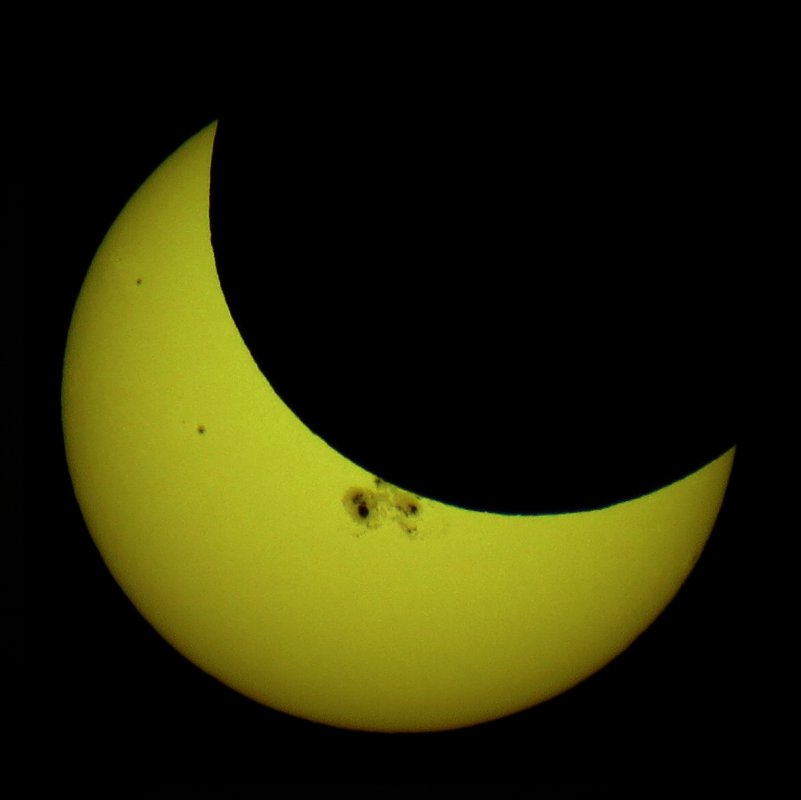
Madrid Region: A ‘Near-Darkness’ Experience Close to Totality
Although the Community of Madrid is not within the path of totality, its residents and visitors will have the chance to witness a very deep partial solar eclipse. According to astronomers’ calculations, the Sun will be over 99% obscured in most parts of the Madrid region, meaning the sky will darken dramatically, creating a twilight-like scene. The peak of the partial eclipse is expected around 8:32 PM local time.
Best Viewing Locations in Madrid
To get the best ‘near-darkness’ experience, observers should choose locations with the highest percentage of solar obscuration. In the Community of Madrid, several towns in the northern mountains (Sierra Norte) will be ideal viewing spots, with over 99% of the Sun covered. These towns include:
- Buitrago del Lozoya
- La Hiruela
- Somosierra
- Horcajuelo de la Sierra
- Montejo de la Sierra
- Puebla de la Sierra
- Robregordo
In contrast, the depth of the partial eclipse in major cities like downtown Madrid, Alcalá de Henares, Getafe, and Móstoles will be slightly lower, but the Sun’s coverage will still be between 94% and 97%, which will also be a very spectacular sight.
Viewing Tips
Since the eclipse occurs in the evening, the Sun will be low in the sky. It is recommended that observers find an elevated spot in advance with a clear, unobstructed view to the west, such as a viewpoint in a natural park, a hilltop, or an area around a large reservoir. Important: Never look directly at the Sun with the naked eye. You must use certified eclipse glasses or professional viewing equipment to protect your eyes from permanent damage.
