As summer temperatures rise, reports of shark sightings have emerged on various Spanish beaches, causing unease among holidaymakers. However, according to expert opinions and scientific data, while sharks are indeed part of Spain’s marine ecosystem, the actual threat they pose to humans is minimal.
The Mediterranean: A Rich Habitat for Sharks
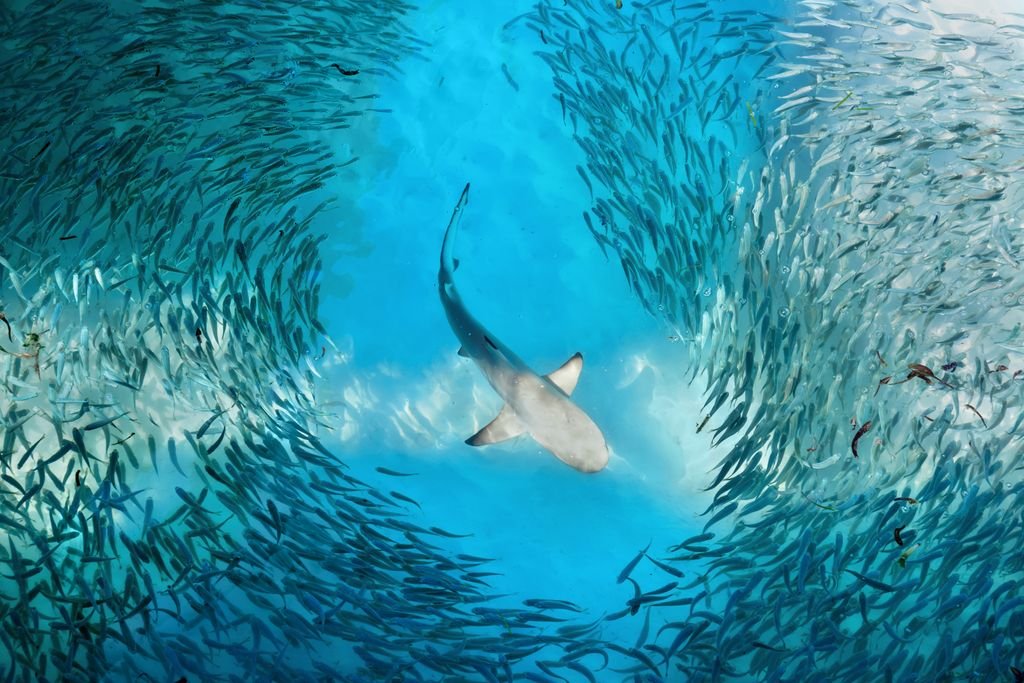
The waters surrounding Spain, especially the Mediterranean Sea, boast surprising biodiversity, which includes sharks. Statistically, the Mediterranean is home to approximately 80 species of sharks and their relatives. As water temperatures rise and bait fish activity increases in spring and summer, some sharks may appear more frequently. The most common sightings are of smaller species like dogfish, but the ecosystem also includes large predators such as bull sharks and great white sharks. However, these larger sharks typically operate far from densely populated coastlines.
Sighting Hotspots and Behavior Patterns
Geographically, the Cantabrian coast and parts of the Atlantic Ocean are more common areas for shark sightings due to their unique marine environments and water temperatures. In recent years, with the rise in tourism and the ease of information sharing, reports of sightings along the Mediterranean coast have also gained more attention. It is crucial to understand that ‘sharks in the sea’ and ‘sharks approaching humans’ are two entirely different concepts. The vast majority of sharks are naturally cautious and will actively avoid shallow waters with frequent human activity. Even in places like the province of Granada where sightings have been reported, these sharks are usually found in waters further offshore.
Historical Data: The Risk of Attack is Minimal
To objectively assess the risk, it’s vital to review historical data. According to the authoritative records of the International Shark Attack File, only 13 unprovoked shark attacks on humans have been recorded in all of Spain since data collection began. Even more notably, in over a century since 1902, only one of these attacks resulted in a fatality. This data strongly proves that the probability of a shark attack while swimming or engaging in water activities in Spanish waters is extremely low.
Expert Advice: Stay Calm and Prioritize Safety
If you happen to spot a shark on the beach or in nearshore waters, the primary rule is to remain calm. Experts and local authorities advise the public to immediately follow the instructions of lifeguards or beach management and evacuate the water in an orderly manner. Do not approach or chase the shark out of curiosity, and never attempt to touch it or film it up close, as this could disturb it. The presence of sharks is a sign of a healthy marine ecosystem. As long as you maintain a safe distance and follow professional guidance, you can safely enjoy Spain’s beautiful coastline.
