A Once-in-a-Century Astronomical Event
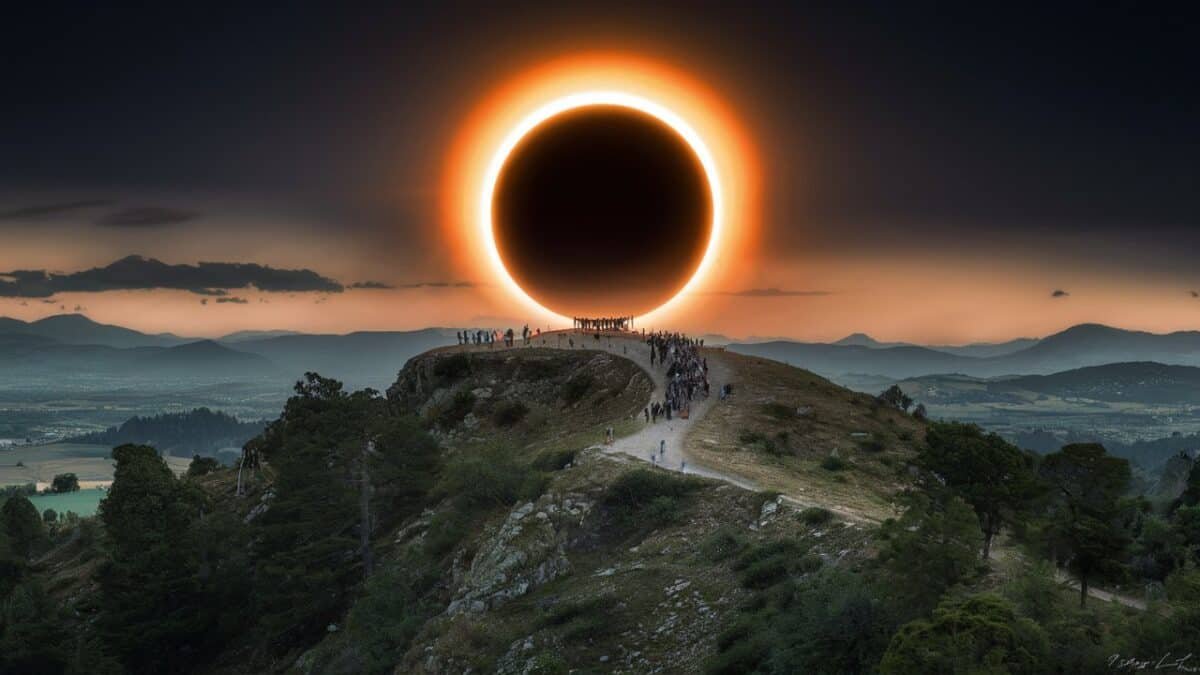
On August 12, 2026, an exceptionally rare total solar eclipse will cross the skies of Spain, the first of its kind visible in the country since 1860. While varying degrees of the eclipse will be seen across the entire Iberian Peninsula, only a narrow ‘path of totality,’ approximately 240 kilometers wide and stretching from the Galicia region to the Balearic Islands, will experience the breathtaking spectacle of the sun being completely obscured by the moon. It’s important to note that even in major cities like Madrid and Barcelona, the sun will be obscured by 99.87% to 99.99%, which is still classified astronomically as a partial solar eclipse. The sky will only dim to the level of an overcast day, rather than becoming completely dark.
The “Eclipse Economy” and Tourism Boom
A massive influx of people is expected, all eager to witness this once-in-a-lifetime spectacle. According to predictions from the Spanish Ministry of Science and Innovation, the event will generate between 400,000 and 1.5 million extra trips. The Spanish government’s official assessment indicates the eclipse will attract approximately 446,700 additional tourists, including 164,000 international visitors and 282,700 domestic travelers. This ‘eclipse rush’ is projected to bring an estimated €342 million in additional tourism revenue to the 36 provinces and cities along the path of totality, with international tourists expected to contribute €247 million of that total.
Government’s Comprehensive Plan to Meet Challenges
In anticipation of the massive crowds, the Spanish government has announced it will activate a special security and civil protection plan to address potential public management challenges. The plan aims to coordinate key areas such as emergency management, forest fire prevention, public safety, and traffic control. Its primary goal is to ensure that local public service systems can respond effectively to the unusually high concentration of people, guaranteeing the event proceeds safely and orderly.
DGT Issues Special Driving Guidelines
To manage potential traffic congestion and driving risks, Spain’s General Directorate of Traffic (DGT) has preemptively developed a special traffic plan and issued a series of clear recommendations for all drivers:
- No Illegal Parking to Watch: Vehicles are strictly forbidden from stopping on the shoulder or in traffic lanes to view the eclipse. Drivers must park in designated parking areas off the road.
- Stay Focused on Driving: The eclipse can be a major distraction. Drivers must remain vigilant, proactively increase their following distance, and adjust their speed according to road conditions. Using any device to film or take pictures while driving is strictly prohibited.
- Use Headlights Correctly: As the sky gradually darkens, all vehicles must turn on their low-beam headlights to ensure visibility and safety.
- Protect Your Vision While Driving: Never look directly at the sun while driving, not even with special eclipse glasses, as they can impair your normal vision. If necessary, use the car’s sun visor to block dangerous glare.
