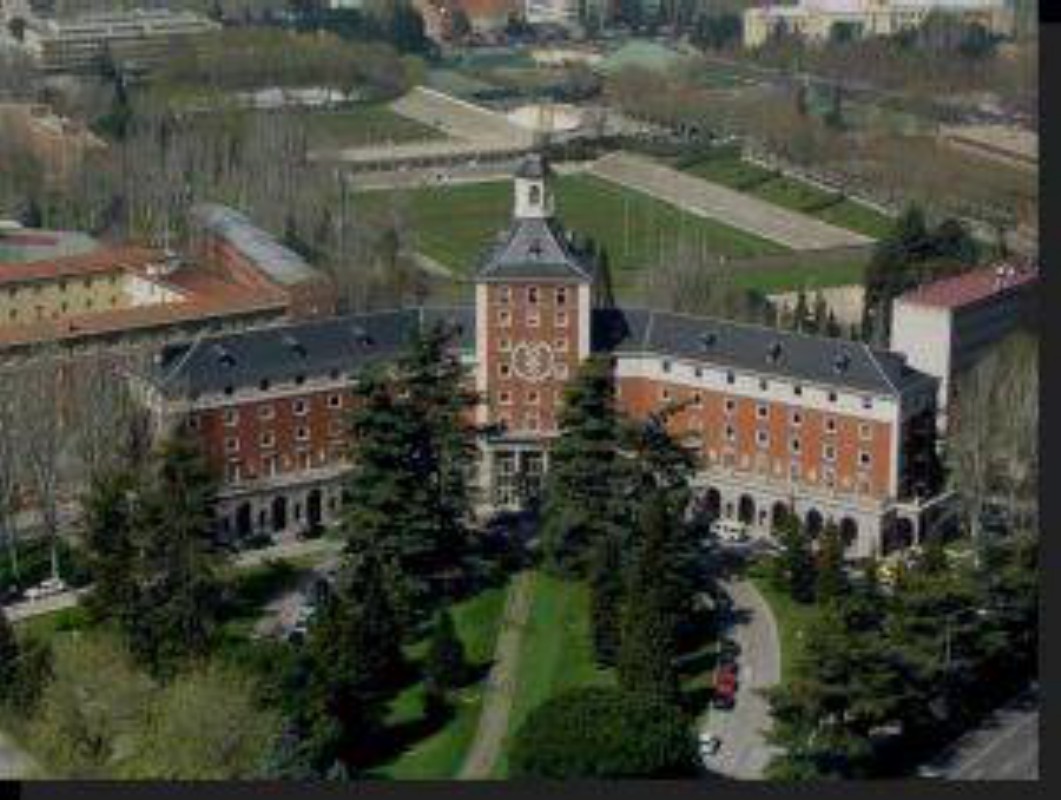
When I first came to Spain, I often heard military enthusiast friends talk about Spain’s Leopard 2E main battle tank, describing it as a ‘customized version’ of German technology for Spain. It was only after delving into the Spanish Army General Academy and learning about the Spanish Army Polytechnic School that I discovered a more interesting concept behind it all, informally dubbed by enthusiasts as the ‘German-Spanish Army Weapons University’. Of course, this is not a physical institution, but rather a broad term representing the decades-long, in-depth cooperation between the two countries in army weaponry and personnel training.
The Cradle of Cooperation: More Than Just One ‘University’
The core of this ‘university’ is actually a series of collaborative projects between the Spanish Army and the German Bundeswehr. Several of Spain’s top military academies, such as the General Military Academy in Zaragoza and the Army Polytechnic School in Madrid, have frequent officer exchange and technical communication programs with their German counterparts. They don’t just send personnel to study; they integrate Germany’s rigorous industrial philosophy and technical standards into their own weapon system development and maintenance frameworks.
The Fruits of Cooperation: The Leopard 2E is Just the Tip of the Iceberg
The most visible result is, of course, the aforementioned Leopard 2E tank. With over 60% of its components manufactured in Spain, it’s a prime example of the ‘Hispanization’ of German technology. This was more than just an arms deal; it was a form of ‘technological empowerment’ from Germany to Spain’s defense industry. This collaborative model ensures that Spain can not only operate but also independently maintain and upgrade this high-tech equipment.
Beyond tanks, the two countries also cooperate on artillery systems, armored vehicles, and even individual soldier communication devices. This partnership has enabled the Spanish Army to maintain a high level of standardization and combat effectiveness within NATO. Anyone calling it a paper tiger should think again.
Key Areas of Technical Exchange
I’ve put together a simple table to show some of the key areas of their collaboration—these are the core ‘majors’ of this ‘university’:
| Area of Cooperation | German Strengths | Spanish Application |
|---|
| Armor Technology | Propulsion systems, fire control systems, composite armor | Domestic production and modification of the Leopard 2E |
| Artillery Engineering | PzH 2000 self-propelled howitzer technology | Adopting lessons learned to upgrade its own 155mm artillery |
| Logistics & Maintenance | Standardized, modular repair processes | Establishing an efficient support system for German-made equipment |
| Officer Training | Tactical theory, combined arms doctrine | Student exchange programs, joint military exercises |
While this deep military cooperation might seem distant to us civilians living in Spain, its impact is profound. It signifies that Spain plays a highly reliable and crucial role within the defense frameworks of the EU and NATO. This kind of strategic trust cannot be bought with money and gives Spain a more confident standing on the European stage. Sometimes when you see a military convoy on the road, it might just contain the fruits of this partnership.
The so-called ‘German-Spanish Army Weapons University’ is a vivid testament to the military trust and technological cooperation between the two nations. Have you seen any interesting military equipment in Spain? Or what are your thoughts on this kind of military cooperation between European countries? Feel free to leave a comment below and join the discussion!
