Introduction
The plenary session of the Criminal Chamber of Spain’s Supreme Court has recently passed a significant ruling, establishing a new legal standard for the controversial issue of illegal squatting. According to the decision made on June 24, property owners who cut off utility supplies to illegal occupants under specific conditions will no longer be considered to have committed a crime of coercion.
Background: A Divorce Case Sparks Legal Clarification
The establishment of this legal doctrine originated from a divorce dispute unrelated to illegal squatting itself. In the case, a man was sentenced to nine months in prison by a lower court for cutting off the electricity supply to his wife, who was still residing in their shared home. When reviewing the case, the Supreme Court upheld the original sentence, ruling that the man’s actions constituted pressure and coercion against a lawful resident.
However, the Supreme Court took this opportunity to extend its interpretation and define the legal nature of ‘cutting off utility supplies,’ aiming to clarify legal responsibilities in different scenarios, particularly applying it to the growing problem of illegal squatting (the ‘Okupa’ phenomenon).
Core Principle: Distinguishing Lawful Residence from Illegal Occupation
The Supreme Court clearly stated that the key to determining whether cutting off utilities constitutes a crime lies in whether the occupant has a legal right to reside there. The court clarified two distinct situations:
When it Constitutes Coercion: If the person residing in the property has a legitimate or disputed right of residence, such as a tenant with a valid lease agreement or a party granted temporary use of the home during divorce proceedings. In such cases, if the owner unilaterally cuts off utilities to force the person to leave, it may constitute a crime of coercion.
When it is Not a Crime: If the person occupying the property has no legal basis whatsoever, meaning it is an illegal occupation or squatting. The Supreme Court holds that the law cannot compel a property owner to bear the costs of basic services like water and electricity for someone who has illegally entered their property. Therefore, an owner canceling supply contracts registered in their own name is not an act punishable under criminal law.
Social Impact: A New Judicial Tool to Tackle the ‘Okupa’ Phenomenon
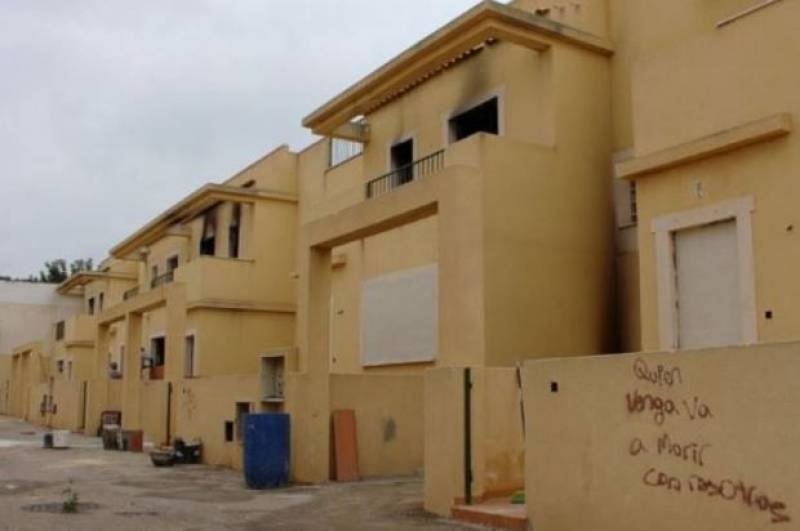
For a long time, the ‘Okupa’ problem has been a major social issue in Spain. Many property owners, after their properties are illegally occupied, not only face long and complex eviction procedures but also have to continue paying for utilities and other maintenance costs, causing them great distress. This Supreme Court ruling is seen as a proactive response from the judicial system to this social problem.
The ruling provides property owners with a clearer and more direct legal tool. By drawing a clear line between criminal and non-criminal acts, it strengthens the protection of lawful residents’ rights while also granting property owners greater autonomy when dealing with purely illegal occupations. This, in turn, helps to balance the rights and obligations of both parties.
