New Rules Kick Off: Focus on Recyclability and Standardized Labeling
Under the EU’s newly implemented Packaging and Packaging Waste Regulation (PPWR), a transformation aimed at reshaping the packaging industry officially begins on August 12. The initial phase focuses on improving packaging recyclability and transparency.
All packaging placed on the EU market must be designed to be recyclable as a fundamental principle. Concurrently, new standardized labels will be gradually introduced on packaging, using clear colors and symbols to differentiate materials for easier and more accurate consumer sorting. To support this change, local waste collection systems (like bins) will update their markings accordingly in the following year. Furthermore, the regulation strictly restricts the use of “forever chemicals” like per- and polyfluoroalkyl substances (PFAS) in food-contact packaging.
Changes for Foodservice and Retail: Encouraging Reuse
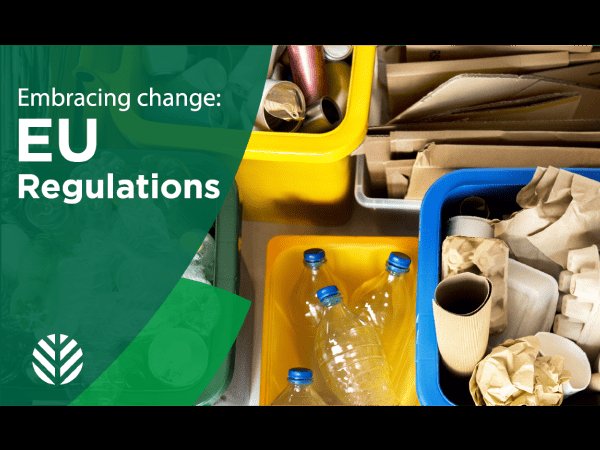
The foodservice and hospitality sectors will face a series of rules aimed at reducing single-use items and promoting reusable solutions.
- From 2027: Restaurants, cafes, and other establishments must allow consumers to use their own containers for takeaway food and drinks, safeguarding their right to make eco-friendly choices.
- From 2028: Foodservice operators will be obligated to offer a reusable takeaway packaging option to consumers. At the same time, tea bags and similar infusion products must be made from compostable materials.
- From 2030: For dine-in customers, individual single-serving packets for condiments, sugar, salt, etc., will be banned. The hotel industry will also be prohibited from providing single-use miniature toiletries by default, unless explicitly requested by a guest.
Key Goals: Multiple Bans and Recycling Targets by 2030
The new regulation sets a clear timeline and quantitative targets for reducing plastic waste.
By 2029, all EU member states must achieve a 90% collection rate for single-use plastic bottles and metal beverage cans by establishing a Deposit-Refund Scheme (DRS). Under this system, consumers pay a deposit when purchasing these products and get it back upon returning the empty containers. The Spanish government is reportedly adjusting its national implementation plan.
By 2030, more restrictions will come into force:
- Fresh Produce: Single-use plastic packaging will be banned for fresh fruits and vegetables weighing less than 1.5 kg.
- Plastic Bags: Very lightweight plastic bags (less than 15 microns thick) will be prohibited, with exceptions for hygiene purposes or as primary packaging for loose food items.
- E-commerce Packaging: To curb over-packaging, the empty space ratio in e-commerce shipping packages cannot exceed 50%.
Challenges and Outlook for the Supply Chain
This comprehensive packaging reform poses significant challenges for the entire supply chain. Companies will need to invest heavily in technological upgrades, supply chain adjustments, and developing new packaging solutions. For example, providing a reusable container system means new operational and cleaning costs for food businesses. Additionally, the regulation’s requirements for recycled content ratios put pressure on Europe’s current, possibly insufficient, capacity for producing recycled plastics.
While environmental organizations believe the EU could be more ambitious in its plastic reduction targets, this revolution has undeniably set an irreversible path toward a green transition for Europe’s packaging industry. From producers to consumers, every part of the chain will be integrated into a more sustainable circular economy.
