According to the latest report from Spain’s Ministry of the Interior on irregular immigration in the first seven months of 2026, the total number of irregular entries nationwide is trending downwards. However, the pressure varies greatly by region, with the situation at land borders being particularly severe.
North African Enclaves: Land Border Pressure Surges
The most striking change in the report occurred in Ceuta, Spain’s autonomous city in North Africa. Data shows that from January 1 to July 31, 2026, 3,835 migrants entered Ceuta irregularly by land. Compared to the 1,452 people in the same period of 2025, this represents a surge of 164.1%.
The Ministry of the Interior noted that this figure does not yet include the mass border crossing events on July 30 and 31, which will be analyzed separately due to their unique nature. This implies that the actual border pressure on Ceuta is even greater than the current data suggests.
Similarly, land arrivals in Melilla, another autonomous city in North Africa, also increased significantly. In the first seven months of this year, 347 people entered by land, a 132.9% increase from the 149 in the same period last year. Additionally, 18 people arrived in Melilla by sea, an increase of 3 people year-on-year.
Atlantic Route: Canary Islands Cools Down
In stark contrast to the tension at the land borders, arrivals via the Atlantic sea route to the Canary Islands have dropped sharply. In the first seven months of 2026, 4,675 migrants arrived on the archipelago in 63 boats, compared to 11,575 people in 191 boats during the same period in 2025. This is a 59.6% year-on-year decrease, a reduction of about 6,900 people, indicating the route’s diminishing appeal.
Mediterranean Coast: Arrivals Rise Instead of Fall
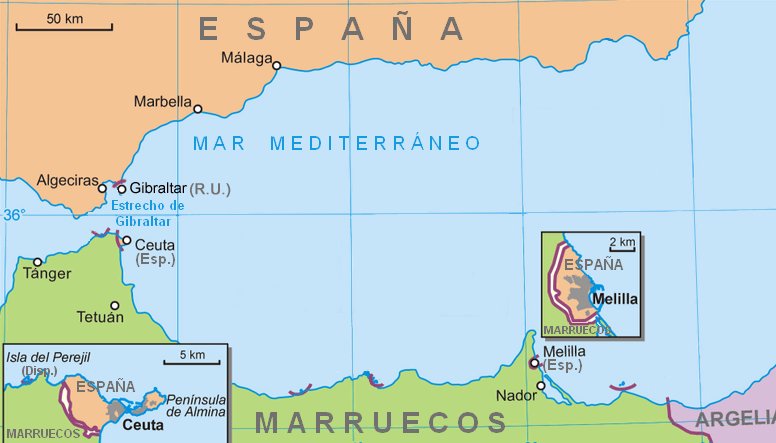
Despite the cooling of the Atlantic route, the number of irregular migrant arrivals in the Mediterranean coastal regions, including the Spanish mainland and the Balearic Islands, is on the rise. In the first seven months of the year, 3,864 migrants reached the Balearic Islands, a 10.1% year-on-year increase. The number of people arriving on the Spanish mainland by sea grew from 3,567 to 4,358, an increase of 22.17%.
Combining the figures for the Spanish mainland and the Balearic Islands, a total of 8,222 migrants arrived by sea in the first seven months of this year, a 16.2% increase year-on-year. Notably, despite the rise in arrivals, the number of boats involved (439) actually decreased by 3.7% compared to last year.
Overall National Trend: Total Down, but with Regional Divergence
Looking at the overall data for Spain, a total of 17,097 people entered irregularly by land and sea in the first seven months of 2026, a 15.7% decrease from the 20,271 in the same period of 2025. Of these, total sea arrivals amounted to 12,915, down 30.8% year-on-year.
In summary, while the total number of irregular arrivals in Spain has decreased, the routes and methods of migration are undergoing a profound shift. Pressure on land borders, especially in Ceuta, is rising sharply, and parts of the Mediterranean route also face ongoing challenges. This indicates that Spain’s border management is facing new, regionalized, and severe tests.
