Summer Heat: A Catalyst for Cockroach Reproduction
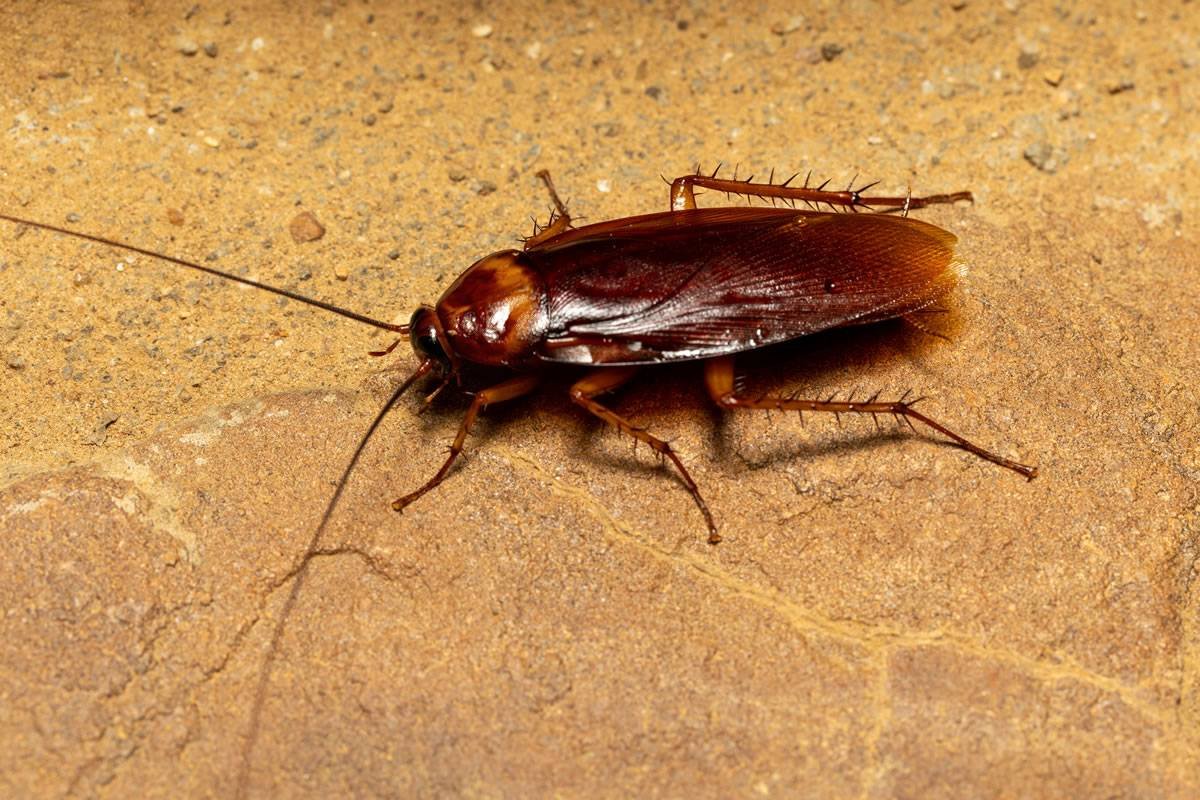
As Spain enters its high-temperature season, many residents are noticing an increase in cockroach activity in their homes. Environmental health experts point out that this phenomenon is closely linked to rising temperatures. Unlike in winter when their metabolism slows, the summer heat significantly accelerates the hatching of cockroach eggs and boosts their metabolic rate. In search of essential water and food, cockroaches more actively invade human dwellings, creating health risks and nuisances for households.
Pest Alert: When to Call for Professional Help
Manuel García Howlett, an expert from Spain’s National Association of Environmental Health Companies (ANECPLA), advises the public to take the early signs of cockroaches seriously. He notes that if you repeatedly see cockroaches, find their droppings or nest traces, or if the problem persists after using standard over-the-counter insecticides, it usually means the infestation has reached a level that is difficult to control on your own. Given their rapid reproductive capabilities, it’s crucial to take decisive action at the first sighting to prevent a swift spread and a serious home invasion.
Home Prevention: Your First Line of Defense Against Pests
For occasional or minor pest problems, experts recommend focusing on home prevention. Building an effective defense line primarily involves the following aspects:
- Environmental Hygiene: Keep your home clean, especially by promptly cleaning up food crumbs and spills in the kitchen. Use well-sealed trash cans and empty them regularly.
- Physical Blockades: Carefully inspect and seal any cracks and holes in walls, floors, and around pipes to prevent pests from entering. Installing screens on windows is also an effective physical barrier.
- Eliminate Water Sources: Cockroaches cannot survive without water. Repairing leaky faucets and pipes and keeping sinks and bathroom floors dry can effectively limit their access to this essential resource.
Regional Differences and the Long-Term Impact of Climate Change
Experts add that the types of dominant pests vary across different regions of Spain. In urban environments, cockroaches and rodents are the main concern; in rural and mountainous areas, ticks are more common; while residents in coastal zones have to deal with a large number of mosquitoes. Furthermore, an undeniable macro-trend is global warming. This change is causing pests to expand their geographical range and extending their active seasons, which demands greater daily vigilance from the public.
