Artificial Intelligence as the New “Health Advisor”
A notable trend is the public’s growing reliance on artificial intelligence for everyday health queries. From “how to relieve gas and bloating” to “what type of dietary fiber should I add to my diet,” or “how to manage anxiety,” AI can generate clear, structured answers almost instantly. This accessibility makes it easier for people to obtain health information, serving as an initial tool for understanding health concepts.
The Gap Between General Advice and Individual Needs
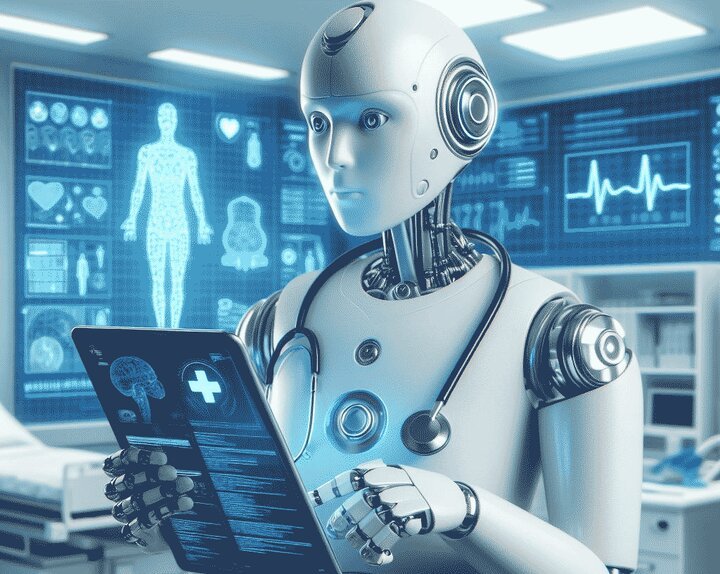
However, experts emphasize a fundamental difference between acquiring general knowledge and making personal health decisions. AI responses, based on vast datasets, can offer logically sound, generic advice. Yet, they cannot access a user’s complete health profile. Crucial individual data—such as actual diet, blood test results, specific stressors, sleep patterns, and long-term metabolic traits—remain unknown to the AI.
Expert View: Defining the Boundaries of Technology
Spanish nutrition expert Klau Gago explains that the key isn’t to reject technology outright, but to clearly define its appropriate use. She sees AI as a valuable tool for initial information retrieval or for helping patients formulate questions before a medical consultation. However, treating this general information as a personalized diagnosis, or using it to independently alter one’s diet or treatment plan, can cause individuals to overlook their body’s warning signs, potentially delaying crucial medical care.
The Core of Health Decisions: Seeking Professional Evaluation
In health management and nutrition, a crucial principle is distinguishing between “knowing general methods” and “understanding your own body.” A piece of advice that seems sound may not apply to everyone. Therefore, when experiencing persistent symptoms or discomfort, the most reliable approach is to seek a systematic evaluation from a licensed doctor or a professional nutritionist for tailored guidance. This is the fundamental path to protecting your health and making informed decisions.
