General Outlook: Mostly Clear Skies Favorable for Observation
According to a special weather report from Spain’s National Meteorological Agency (AEMET) for the historic total solar eclipse on August 12, 2026, most of the country will experience stable atmospheric conditions in the afternoon. The weather is expected to be mostly clear or partly cloudy, creating generally favorable conditions for observing this astronomical event.
Variable Cloud Cover: Uncertainty in Northern and Eastern Regions
Despite the generally clear forecast, some regions face a risk of cloud obstruction. The main exceptions include:
- The Cantabrian region and northern Galicia: Low cloud cover is expected.
- The Galician coast and parts of the Alboran Sea: Cloud cover remains uncertain.
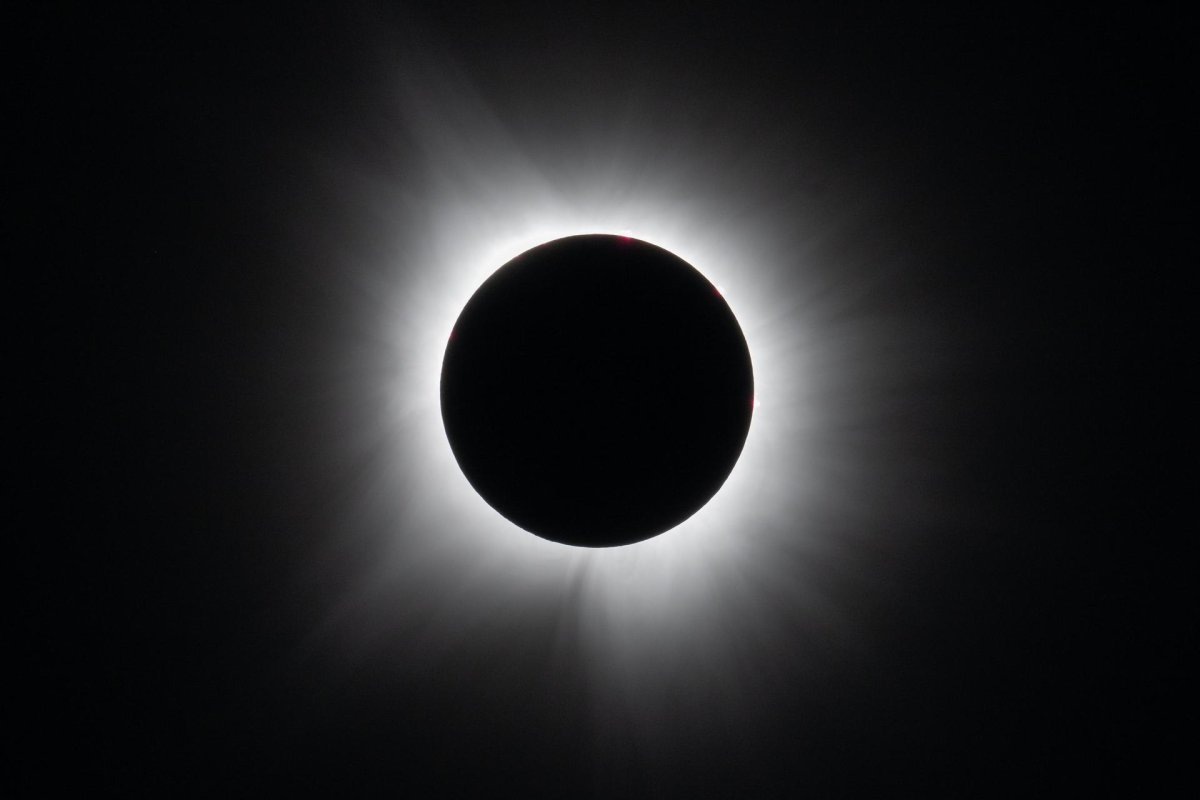
Additionally, during the evening hours when the eclipse occurs, cloud formation is anticipated in the northern mountain ranges and the eastern third of the peninsula. Specifically, the eastern Pyrenees, the Iberian System in Teruel, eastern Castile-La Mancha, and the eastern Baetic System have a relatively higher probability of clouds and even ‘isolated showers or thunderstorms.’ AEMET specifically warns that due to the sun’s low altitude angle during the eclipse, observers should pay special attention to cloud interference from the west-northwest.
Extreme Heat Warning: Temperatures May Exceed 40°C in Many Areas
High temperature is another significant weather feature during the eclipse. Maximum temperatures across most of the inland peninsula are expected to exceed 35°C. In the Guadalquivir Valley, Ebro Valley, and the southwestern Atlantic river valleys, temperatures could climb above 40°C. Orange high-temperature warnings will be issued for the low-lying valleys of the Ebro, Tagus, Guadiana, and Guadalquivir rivers. During the eclipse, temperatures are projected to drop by 2 to 5°C from their daytime peak.
Associated Risk: Forest Fire Index Reaches ‘Extreme’ Level
With the hot and dry weather, the risk of forest fires increases sharply. The report indicates that on the day of the eclipse, the forest fire risk index for most of the peninsula and the Balearic Islands will reach ‘very high’ or ‘extreme’ levels, with this risk expected to continue rising in the following days. In response, AEMET urges everyone planning to observe the eclipse outdoors to exercise extreme caution and strictly avoid any actions that could start a fire, to collectively protect the natural environment.
