For students who have just arrived in Spain for a master’s or bachelor’s degree, are you feeling a bit overwhelmed by the university’s mandatory Spanish course? This is especially true for those in English-taught programs, who might be thinking, ’I don’t even use Spanish for my classes, why waste time on this?' Don’t worry, this post will delve into this mandatory language course that new students both love and hate.
In fact, most public and private universities in Spain offer mandatory Spanish language courses for international students. Some are free, while others require payment, but many are linked to academic credits and are compulsory. The university’s intention is good: they hope that we, as foreigners, can quickly grasp basic Spanish, not just for academics but to truly integrate into local life. Just think about it—going to the supermarket, the bank, or greeting your neighbors. Being able to speak a few authentic Spanish phrases will completely change your experience.
What Exactly Is Taught in the Language Course?
Usually, before the course starts, there’s a placement test to assess your current Spanish level, which places you into different classes like A1, A2, B1, or B2. It’s crucial to take this test seriously, as being placed in the right class is vital for your learning efficiency. As for the course content, it generally covers all four skills: listening, speaking, reading, and writing. The teachers are mostly native Spaniards. The pace of the class might be fast, but the atmosphere is usually relaxed, encouraging students to speak up.
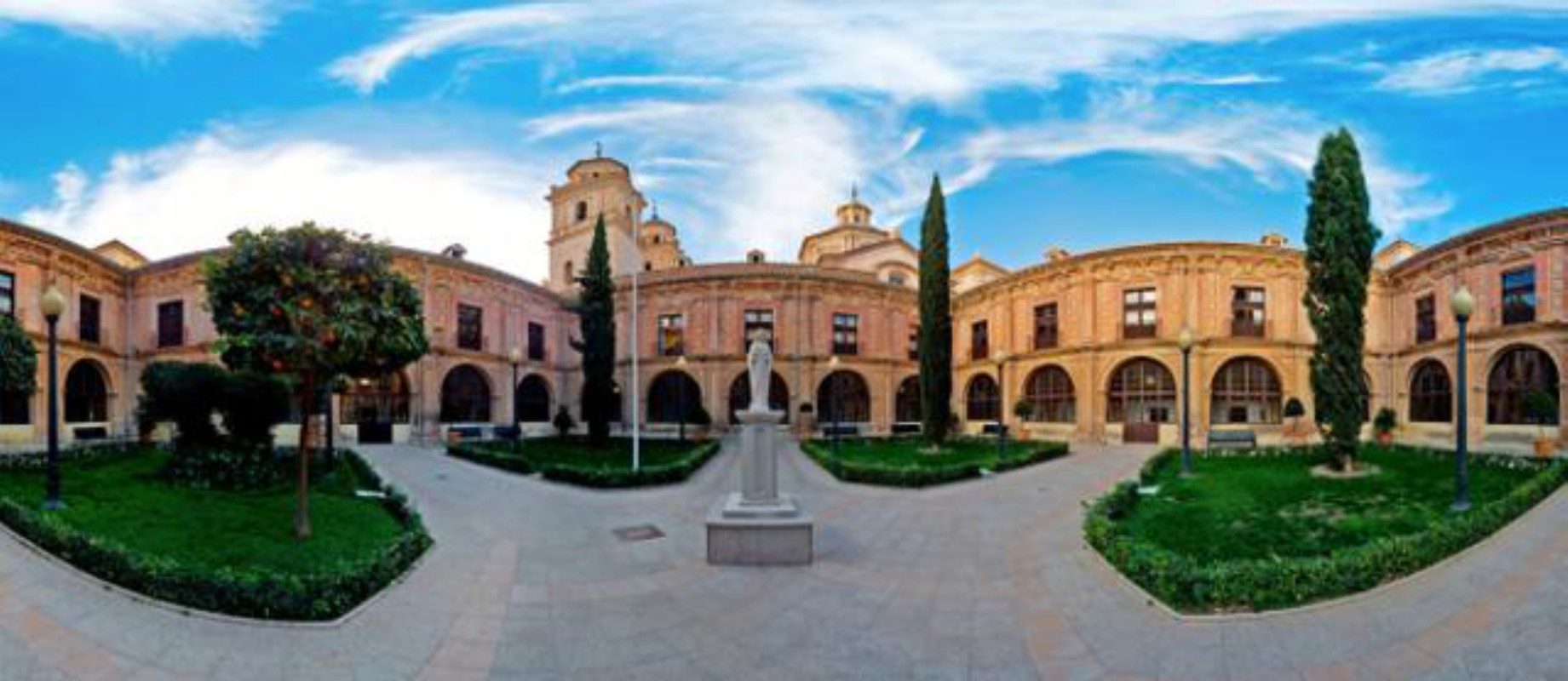
My advice for succeeding in this course is: don’t treat it as just another task. Proactively preview and review the material, speak up boldly in class, and don’t be afraid to make mistakes! Just practicing with students from your own country will have limited effectiveness. Try to communicate more with classmates from other countries. You’ll not only practice your speaking skills but also learn about different cultures—it’s a win-win. The assessment methods are also diverse. Besides the final exam, class participation, small assignments, and presentations might all contribute to your final grade.
Below is a summary of common assessment points for the course that you can refer to:
| Assessment Area | Common Formats |
|---|
| Listening & Speaking | Class discussions, individual presentations |
| Reading & Writing | Reading comprehension, short essays |
| Grammar & Vocabulary | In-class exercises, midterm/final written exams |
Although this mandatory course takes up some of your time, it’s an excellent, official opportunity to learn Spanish systematically. Making the most of it will be incredibly beneficial for your life as a student in Spain. What are your university language classes like? Do you have any interesting experiences or pitfalls to share? Feel free to leave a comment and discuss below!
