On August 12, 2026, a rare astronomical phenomenon—a total solar eclipse—will cross Spain, making it the global center for astronomical observation. This major event is expected to generate up to 1.5 million trips, presenting Spain with significant public safety and traffic management challenges.
A Once-in-a-Century Astronomical Spectacle
The path of totality for this solar eclipse will cross 36 provinces in 13 of Spain’s autonomous communities, including Galicia, Asturias, Castile and León, the Community of Madrid, and the Balearic Islands. The astronomical event will peak around 20:30 in the evening, when the Moon will completely obscure the Sun, creating a total eclipse lasting up to 1 minute and 50 seconds. This unique viewing opportunity is prompting astronomy enthusiasts and tourists worldwide to plan their trips well in advance.
Large-Scale Security and Traffic Management
To manage the massive influx of people, the Spanish government has launched a comprehensive security plan, deploying a total of 33,000 officers. This force consists of 24,000 members of the Guardia Civil and 9,400 members of the National Police (Policía Nacional), who will be stationed at 660 key viewing points and transport hubs. They will work in close coordination with the Directorate-General for Traffic (DGT), local police, and civil protection emergency services.
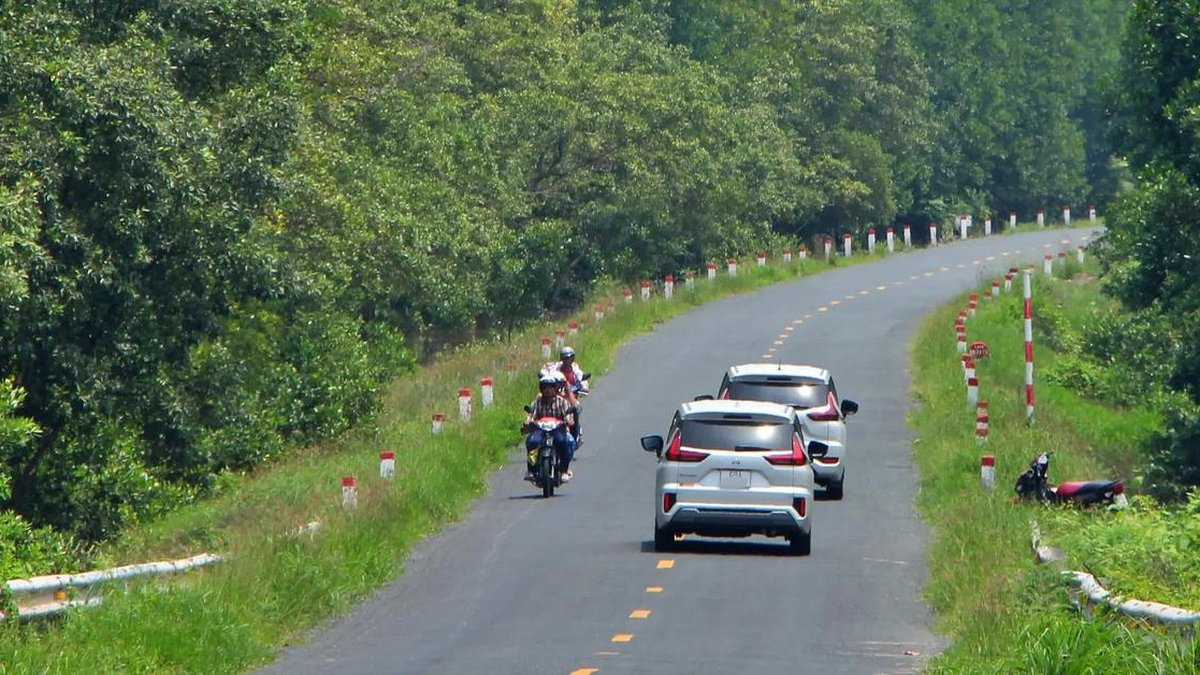
In terms of traffic, authorities predict a 30% to 100% surge in vehicle flow on major roads. Key risks include distracted driving due to eclipse viewing, vehicles congregating in unauthorized areas, illegal parking, and pedestrians on roadways. To prevent gridlock, temporary closures will be implemented on certain roads and access points to popular mountainous areas once they reach capacity.
High Fire Risk Warning
The event coincides with Spain’s hot and dry summer season, and authorities have issued the highest level of warning for fire risk. With large crowds gathering in rural and mountainous areas, any careless act could trigger a devastating forest fire. Government agencies are urging all spectators to exercise ‘extreme caution’ and are strictly prohibiting any activities that could start a fire, such as discarding cigarette butts or using open flames, to collectively protect the natural environment.
Safe Viewing and Travel Advice
Experts emphasize the importance of safe viewing. The public must use special-purpose eclipse glasses certified under the ISO 12312-2:2015 international standard. It is strictly forbidden to use regular sunglasses, homemade filters, or to look directly at the sun through a phone or camera lens. These improper methods can cause irreversible and permanent damage to the retina.
Additionally, Spain’s State Meteorological Agency (AEMET) warns that some viewing areas may be affected by cloud cover. Officials advise the public to plan their trips in advance, use public transportation whenever possible, and follow official channels for the latest weather forecasts and information on the best viewing spots to ensure a safe and enjoyable experience.
