Overall Inflation Rate Climbs for the Fifth Consecutive Month
Spain’s inflation rate for July 2026 was confirmed at 3.6%, 0.1 percentage points higher than the initial estimate by the National Statistics Institute (INE), marking the fifth consecutive month of price increases. The primary drivers of this inflation were housing-related costs (especially electricity) and transportation (mainly fuel), partly linked to international market tensions caused by the war in Iran. Compared to the previous month, the overall inflation rate rose by 0.4 percentage points.
Energy Prices Soar as Food Inflation Slows
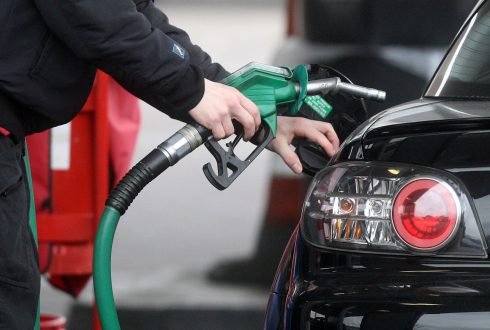
Data shows that energy costs are a key factor affecting household budgets. Specifically, the retail price of diesel saw a significant year-on-year increase of 15.7% in July, while gasoline prices rose by 7.3%. In response, Spain’s Ministry of Economy, Trade and Business has confirmed that it will increase the tax rebate for diesel in September, with a maximum subsidy of up to 20 euro cents per liter.
In contrast, the rise in food prices has moderated. Food prices increased by 1.6% year-on-year in July, a decrease of 0.3 percentage points from the previous month, marking the lowest level since the inflation crisis began in 2021. However, prices for some basic food items remain high, with fresh berries up by 17.2%, citrus fruits by 15.5%, eggs by 13.4%, and beef by 9.9%.
Monthly Price Fluctuations Reflect Seasonal Factors
Looking at the month-on-month data, price changes in July showed clear seasonal patterns. Driven by the peak tourist season and excluding energy factors, prices for package holidays saw a significant increase. Notably, the cost of personal vehicle rentals without a driver surged by 34.2% month-on-month, while costs related to motorhomes and caravans also rose by 15.3%.
On the other hand, the summer sales season helped to moderate prices. Clothing and footwear prices saw a seasonal decline, with women’s clothing prices falling by 13.3% month-on-month. Additionally, passenger transport prices dropped significantly by 14.9%.
Inflation Levels Vary Across Regions
Inflation levels vary among Spain’s autonomous communities. Cantabria was the region with the fastest price increases, with an inflation rate of 4.3%. In contrast, Extremadura had the most stable prices, with an inflation rate of 3.0%.
Furthermore, according to the Harmonised Index of Consumer Prices (HICP), used by Eurostat for cross-country comparisons, Spain’s inflation rate in July was 3.9%, up 0.3 percentage points from the previous month. This reflects Spain’s inflationary pressure within the Eurozone.
