UV Rays: The ‘Invisible Killer’ of Hair Keratin
Alberto Minet, a trichology expert from the renowned Spanish hair clinic Insparya, points out that intense summer UV radiation is the primary threat to hair health. Prolonged sun exposure directly attacks the hair’s internal structure, causing the keratin that makes up the hair shaft to degrade. This process dehydrates the hair, making it dry, brittle, and dull. Both natural and color-treated hair are prone to fading or turning yellow from UV exposure. Furthermore, for individuals with thinning hair or hair loss, direct sun exposure on the scalp can easily cause sunburn, further damaging hair follicles.
Seawater and Pools: A Double Threat of Moisture Loss
Beyond sunlight, common summer recreational activities also pose risks to your hair. Alberto Minet explains that seawater and pool water are two other major culprits.
- Salt in Seawater: While seawater can give your hair a temporary, natural voluminous look, once the water evaporates, the remaining salt crystals continuously draw moisture from within the hair strands. This leaves the hair exceptionally dry, coarse to the touch, and prone to tangling.
- Chlorine in Pools: As a common disinfectant, chlorine is chemically aggressive. It breaks down the hair’s natural protective layer, stripping it of moisture and oils, which causes it to lose its shine. For color-treated hair, chlorine is even more destructive; it can react with hair dye, causing the color to become dull or change unexpectedly.
Expert Tips for Protection and Repair
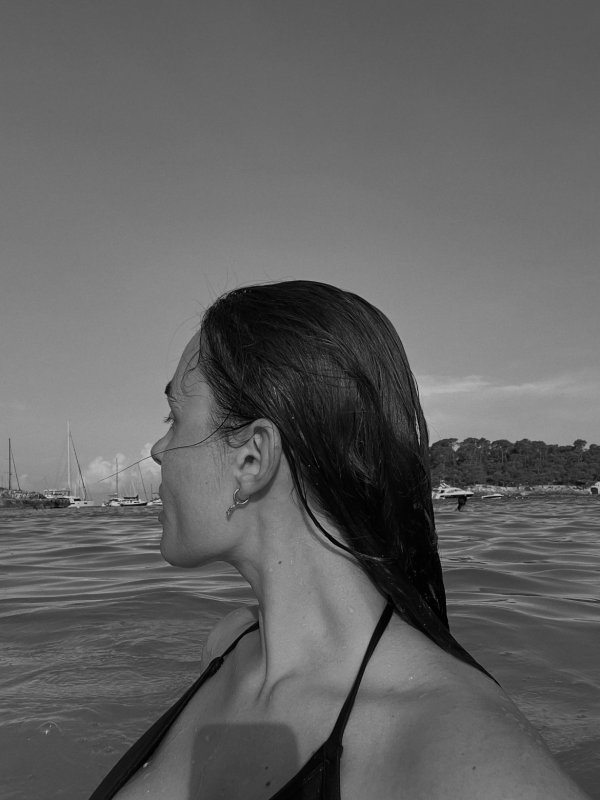
To address these specific summer-related hair damage issues, expert Minet offers the following concrete strategies for protection and care:
- Daily Sun Protection: When outdoors, provide physical cover for your hair by wearing a wide-brimmed hat or using a sun umbrella. Additionally, use a hair-specific sun protection spray containing UV filters. It’s advisable to avoid prolonged sun exposure between 11 a.m. and 5 p.m.
- Protection While Swimming: Before entering a pool, it’s recommended to completely wet your hair with clean water and wear a swimming cap. This creates a protective layer on the hair shaft, reducing direct contact with chlorine. After swimming in the sea or a pool, rinse your hair and scalp thoroughly with plenty of fresh water as soon as possible to wash away salt or chlorine residue.
- Post-Swim Cleansing and Nourishing: After rinsing, wash with a mild-formula shampoo and follow up with a deep-conditioning and repairing hair mask or conditioner to replenish lost moisture and nutrients. After washing, gently pat your hair dry with a towel. Avoid vigorous rubbing, which can damage the hair cuticles when they are most vulnerable while wet.
