Market Background: Loan Amounts Rise as Approval Standards Tighten
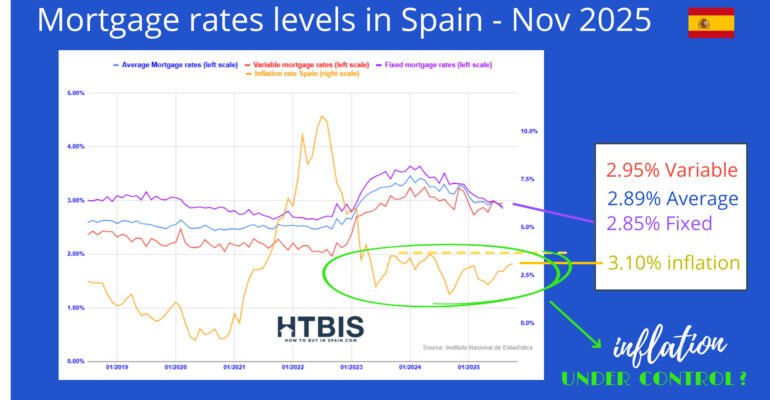
According to the latest data from the Spanish National Statistics Institute (INE), a total of 42,213 housing mortgages were registered in Spain in May 2026, a slight decrease of 0.1% compared to the same period last year. However, another market indicator shows significant growth: the average amount of new loans increased by 9.7% year-over-year, reaching €174,866, with an average interest rate of 2.98%.
Against this backdrop of rising loan amounts, Spanish banks have become stricter than ever in reviewing mortgage applications. Applying for a mortgage is now like a comprehensive ‘financial health check-up.’ Banks not only assess the applicant’s current income level but also delve deeper into their job stability, debt situation, savings capacity, and overall future repayment ability.
Profile of ‘Prime Customers’ Favored by Banks
Financial advisor Montse Cespedosa points out that in the current stringent approval environment, three specific groups of clients typically receive more positive responses and better negotiating terms when applying for a mortgage. They are:
- Young homebuyers under the age of 35
- Civil servants with stable incomes
- Certain high-income, financially sound self-employed individuals
These groups are considered lower-risk and more reliable clients by banks due to their specific professional and financial characteristics.
Analysis of Financing Advantages for Different Groups
Banks’ preference for these groups is reflected in specific financing terms:
Civil Servants: Due to their exceptional job stability and guaranteed income, civil servants are seen as ‘ideal clients’ by banks. In certain cases, they may even be able to obtain financing close to or covering 100% of the property’s purchase price—a feat difficult for ordinary applicants to achieve.
Young Homebuyers: For young people under 35, if their financial situation meets the bank’s and relevant policy requirements, some banks are willing to offer financing up to 95% of the property’s total value. This is significant support for the younger generation who may have limited savings but good career prospects.
High-Income Self-Employed Individuals: Banks are also open to self-employed individuals in high-growth sectors such as technology or video games. The key to approval is not just a high monthly income but a long-term, stable income record, a clear career path, and a low personal debt-to-income ratio. Banks need to be convinced that their income source is sustainable.
Core Approval Criteria: Financial Health Beyond Monthly Income
In conclusion, for individuals preparing to apply for a mortgage in Spain, monthly income is just the first step in the bank’s evaluation. The core question banks are truly concerned with is: ‘How much disposable income will the applicant have left after making their monthly mortgage payment? And can this financial situation be maintained long-term?’
Therefore, a stable job, a good savings record, low debt levels, and a sustainable source of income collectively paint the full picture of an applicant’s financial health. With the average mortgage amount now approaching €175,000, planning ahead and optimizing these areas can not only significantly increase the chances of loan approval but is also the key to securing lower interest rates and higher financing ratios.
