Spain to Witness a Century’s Eclipse: Day Briefly Turns to Night as Madrid Sees Spectacle After 100 Years
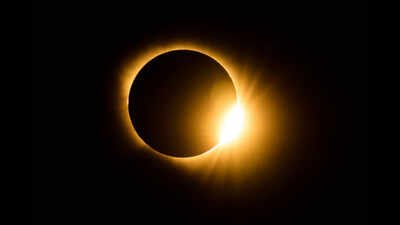
A Celestial Wonder Arrives in Madrid
On the evening of Wednesday, August 12, 2026, a once-in-a-century total solar eclipse will take center stage in Spain. For the capital, Madrid, this event is particularly special, marking the first total solar eclipse in 121 years, since the last one on August 30, 1905. The eclipse process will begin around 7:30 PM local time as the Moon gradually obscures the Sun. Around 8:32 PM, the eclipse will reach its peak, and areas within the path of totality, including northern Madrid, will experience up to 1 minute and 29 seconds of complete darkness. Day will instantly turn to night, revealing stars in a breathtaking spectacle.
A Nationwide “Astronomical Pilgrimage”
This rare celestial phenomenon has sparked a massive wave of enthusiasm for observation across Spain. To manage the event, the Community of Madrid (Comunidad de Madrid) has meticulously set up 66 official viewing sites in 63 municipalities, 39 of which are within the path of totality, offering a 100% view of the total eclipse. A multitude of astronomy enthusiasts, families, and tourists are planning their trips in advance, flocking to the best viewing spots and creating a true “astronomical pilgrimage.” Hundreds of thousands of people are expected to gather at these sites to look up and witness this historic moment together.
Future Celestial Events and Outlook
This total solar eclipse is just the beginning of a series of exciting celestial events for Spain in the coming years. According to astronomers’ forecasts, the next total solar eclipse to cross Spain will occur less than a year later, on August 2, 2027. Following that, on January 26, 2028, Spain will experience an annular solar eclipse, where the Sun will appear as a bright ring of fire. However, residents in the Madrid region will not be able to see the full annular phase. Nevertheless, this feast of eclipses over three consecutive years undoubtedly makes Spain a focal point for astronomy enthusiasts worldwide.
Post-Eclipse: Don’t Overlook Eye Health Risks
While enjoying the astronomical spectacle, ophthalmologists have issued a health warning. Even a brief look at the sun with the naked eye can cause permanent damage to the retina, a condition known as solar retinopathy. It’s important to note that this damage often doesn’t cause immediate pain. If you experience symptoms such as blurred vision, a black spot in the center of your field of view, distorted vision (like straight lines appearing bent), or abnormal color perception in the hours after viewing the eclipse, you should seek a professional eye examination immediately. Prompt diagnosis and treatment are crucial to prevent long-term effects on your vision.
