Spain’s Minister of the Interior, Fernando Grande-Marlaska, publicly stated on August 13 that authorities have initiated deportation proceedings for the irregular migrants who violently entered the Spanish enclave of Ceuta on July 30.
Deportation Proceedings Initiated in Accordance with the Law
Minister Marlaska revealed that he has given clear instructions to seek immediate judicial authorization for the expulsion of migrants involved in criminal acts during the Ceuta border incident, in accordance with Article 57 of Spain’s Foreigners’ Law. He pointed out that since violently storming the border constitutes a crime, the vast majority of those who entered illegally will face deportation from Spanish territory. Although the minister did not disclose the exact number of cases being processed, he confirmed that deportation procedures for “a significant number of people” are underway.
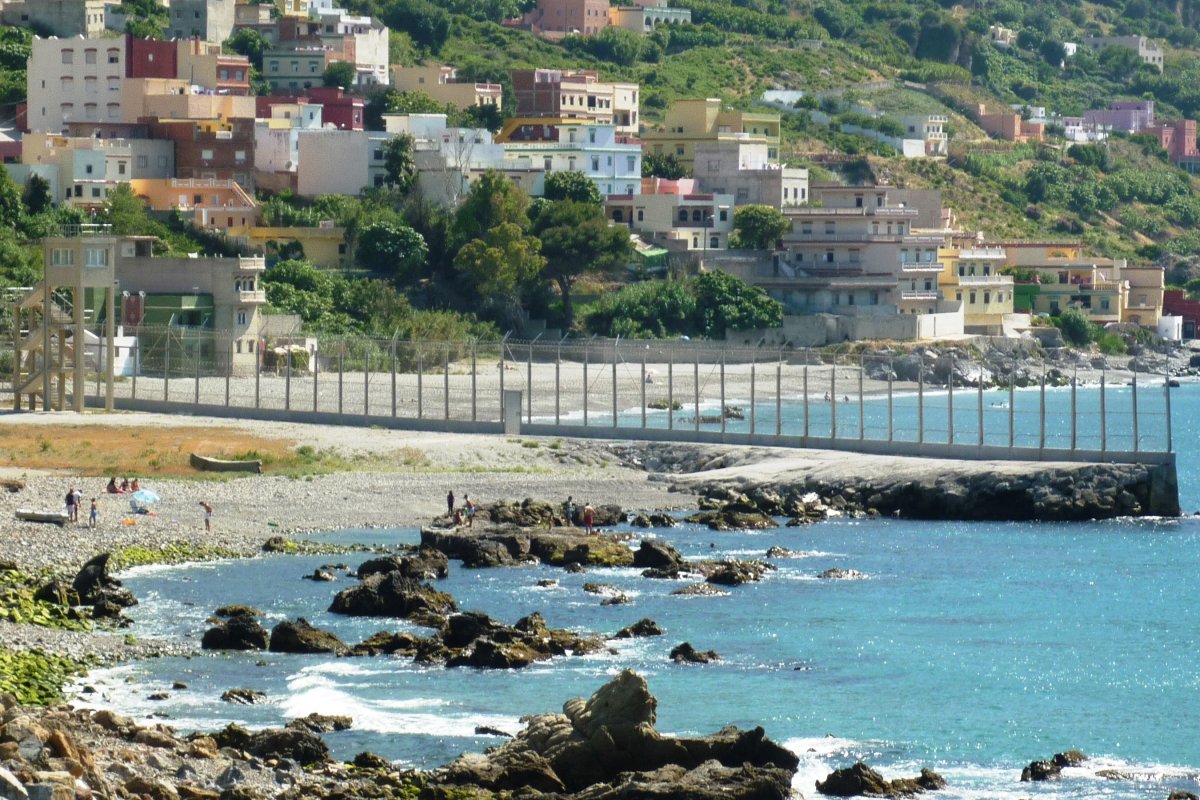
A Warning to Irregular Migrants and Smuggling Networks
Marlaska’s stance aligns with that of Spain’s Minister of Foreign Affairs, José Manuel Albares. He issued a stern warning to human smuggling networks and those attempting to enter illegally: “Those who enter Spain illegally, breaking the law, will not be transferred to the peninsula, nor will they receive any form of protection.” He added that this path is “a tragic one” that will ultimately lead them back to where they started.
Differentiated Treatment for Asylum Seekers and Unaccompanied Minors
While emphasizing a firm stance, Marlaska also addressed special cases. He acknowledged that over 400 migrants have currently applied for international protection. In this regard, he promised, “Those who are legally entitled to asylum will receive it.” Furthermore, regarding the more than 1,500 unaccompanied minors currently in Ceuta, the government will handle their cases based on assessments by the public prosecutor’s office and legal provisions. He stated, “Those who must be repatriated by law will be, and those who cannot be repatriated due to legal reasons will remain.”
Defending Border Enforcement and Emphasizing Cooperation with Morocco
When a reporter described the July 30 event as an “invasion of 80,000 people,” Marlaska disagreed with the use of the term “invasion.” He also stressed the crucial cooperation between the Spanish government and Morocco on border control. He called Morocco “an absolutely reliable partner for Spain and Europe,” stating that their collaboration is built on loyalty and trust. Responding to previous accusations from the Moroccan Human Rights Council that Spanish law enforcement “mistreated” migrants, Marlaska defended the actions of the National Police and the Civil Guard, asserting that their work is “in full compliance with human rights and fundamental freedoms,” and their operational principles combine humanitarian concern with respect for national borders.
