Economists Warn: Southern Europe’s Summer Tourism Boom May Cool Down
In an analysis released on August 14, 2026, Carsten Brzeski, Chief Economist for the Eurozone at Germany’s ING bank, issued a warning about the future of European tourism. He predicts that within the next two years, traditionally popular Southern European cities like Madrid, Barcelona, and Rome will see a significant drop in tourist numbers during July and August due to increasingly frequent and intense summer heatwaves. With temperatures nearing 40°C, a beach holiday shifts from a relaxing experience to a ‘heat survival challenge,’ fundamentally altering travel choices.
The Rise of “Coolcations”: Northern Europe Emerges as the New Hotspot
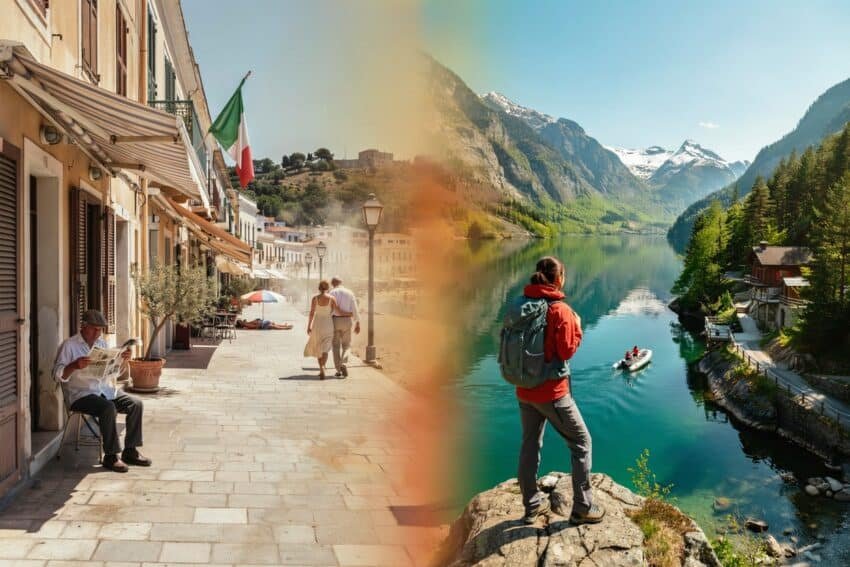
A key emerging term in Brzeski’s report is ‘Coolcation.’ This concept refers to tourists actively choosing cooler climates for their holidays to escape the extreme heat. A growing number of European travelers seeking refuge from the heat are turning their attention from the Mediterranean to Northern Europe, including countries like Norway, Sweden, Finland, and Iceland, where average summer temperatures around 20°C are becoming a scarce commodity. Meanwhile, domestic tourism flows within Spain could also shift. Cooler, greener northern regions like Galicia are poised to become new summer retreats, attracting visitors who might have otherwise planned a trip to the Mediterranean coast.
Shifting Peak Seasons and Structural Shocks to the Industry
The report suggests that the impact of climate change on Southern Europe’s tourism isn’t necessarily a permanent loss of visitors, but rather a shift in the peak travel season. Future high seasons might move from the traditional July and August to earlier in June or later in September. Nevertheless, this seasonal shift will still pose a significant challenge to industries heavily reliant on summer crowds. The hardest-hit sectors will be beachside hotels, seaside restaurants, open-air bars, and coastal tourism services. Locations with unobstructed sea views, once considered prime real estate, could become high-risk business areas during future heatwaves.
Challenges and Concerns for Emerging Destinations
However, the rise of ‘coolcations’ is not without its costs. Brzeski warns that these new popular destinations will face the same problems that established tourist cities have experienced. On one hand, Northern European countries generally lack the large-scale tourism infrastructure of Spain or Italy; their number of hotels, transport capacity, and dining facilities can hardly meet the needs of millions of new visitors in a short time. On the other hand, the sudden influx of tourists could trigger ‘overtourism,’ leading to rising housing prices, strained public resources, and resentment from local residents, similar to what has been seen in recent years in Spanish cities like Mallorca.
Conclusion: An Economic Reshuffling in Progress
The impact of climate change on tourism has evolved from an environmental issue to a core economic one. The traditional mindset of ‘go south for sun in the summer’ is gradually being replaced by a new model: ‘go north to cool off in the summer, and visit the south in spring or autumn.’ Brzeski predicts that by 2028, ‘coolcations’ will become mainstream. If this trend continues, it will affect not only tourists’ vacation choices but also the entire economic structure of Southern European countries dependent on tourism. The places where it will be truly ‘hard to find a room’ may no longer be the beaches of Barcelona, but the fjords of Iceland and the coast of Galicia.
