Overall Inflation Rises, with Energy Prices as the Main Culprit
Spain’s National Statistics Institute (INE) confirmed on August 13th that the country’s Consumer Price Index (CPI) for July saw an annual increase of 3.6%. This figure is 0.4 percentage points higher than in June and has been revised up by 0.1 percentage points from the preliminary estimate. This marks the highest inflation level in nearly two years, since August 2024, and signifies the fifth consecutive month of rising prices.
The primary driver of this inflation surge stems from the energy sector. Influenced by market turmoil caused by the war in Iran, costs for housing (including electricity and gas) and transportation (fuel) have increased significantly. Specifically, diesel prices soared by 15.7% year-on-year in July, while gasoline prices rose by 7.3%.
Food Price Hikes Slow, but Some Products Still See Significant Increases
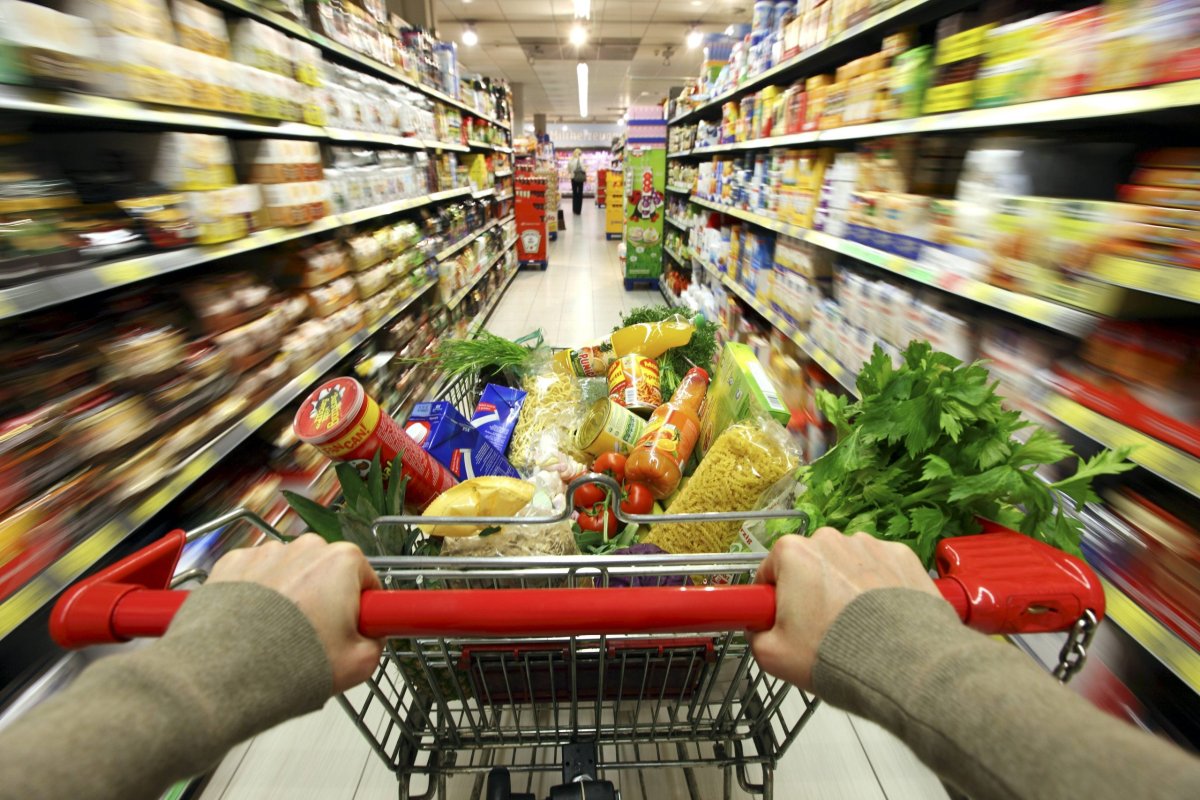
In contrast to the sharp rise in energy prices, the upward pressure on food prices has eased. The year-on-year increase in food prices was 1.6% in July, down 0.3 percentage points from the previous month, marking the smallest increase since 2021.
However, behind this overall slowdown, the prices of some basic food items continue to rise alarmingly. Among them, the price of fresh berries increased by 17.2% year-on-year, fresh citrus fruits by 15.5%, eggs by 13.4%, and beef by 9.9%.
Core Inflation Reveals Structural Pressure; Government to Adjust Subsidies
After excluding the more volatile prices of energy and unprocessed food, the core inflation rate for July stood firm at 3.0%. The persistence of this high rate suggests that price pressures are evolving into a structural problem, a development closely watched by the European Central Bank (ECB).
To mitigate the impact of rising fuel prices on citizens’ lives, Spain’s Ministry of Economy has confirmed a plan to increase the tax rebate on diesel to 20 euro cents per liter in September. On a month-on-month basis, prices for package holidays increased due to the high season, while clothing and footwear prices fell due to summer sales.
Significant Regional Disparities and an Uncertain Outlook
The distribution of inflationary pressure is not uniform across Spain’s regions. Cantabria recorded the highest inflation rate at 4.3%, making it the region with the fastest price increases, while Extremadura had the lowest rate at 3%. Meanwhile, the Harmonised Index of Consumer Prices (HICP), used for comparison within the EU, rose to 3.9% in July.
Trade unions have warned that persistent inflation poses a ‘serious threat’ to the purchasing power of the self-employed, small and medium-sized enterprises (SMEs), and households. Despite the current pessimistic data, the Spanish Confederation of Business Organizations (CEOE) maintains its forecast of an average annual inflation rate of 3.1%, pinning its hopes on the normalization of shipping conditions in the Strait of Hormuz to ease tensions in the energy market.
