Facing continually rising energy costs, the Spanish government has once again adjusted its fuel subsidy program to provide greater financial support for diesel vehicle owners.
“Safeguard Clause” Triggered, Diesel Subsidy Significantly Increased
According to a statement from Spain’s Ministry of Economy, Trade, and Enterprise, this policy adjustment was automatically triggered by a ‘safeguard clause.’ Official data shows that the price of diesel in July this year rose by 15.7% compared to the same period last year, a figure that exceeds the 15% threshold set by the government in its measures to counter the effects of geopolitical conflicts.
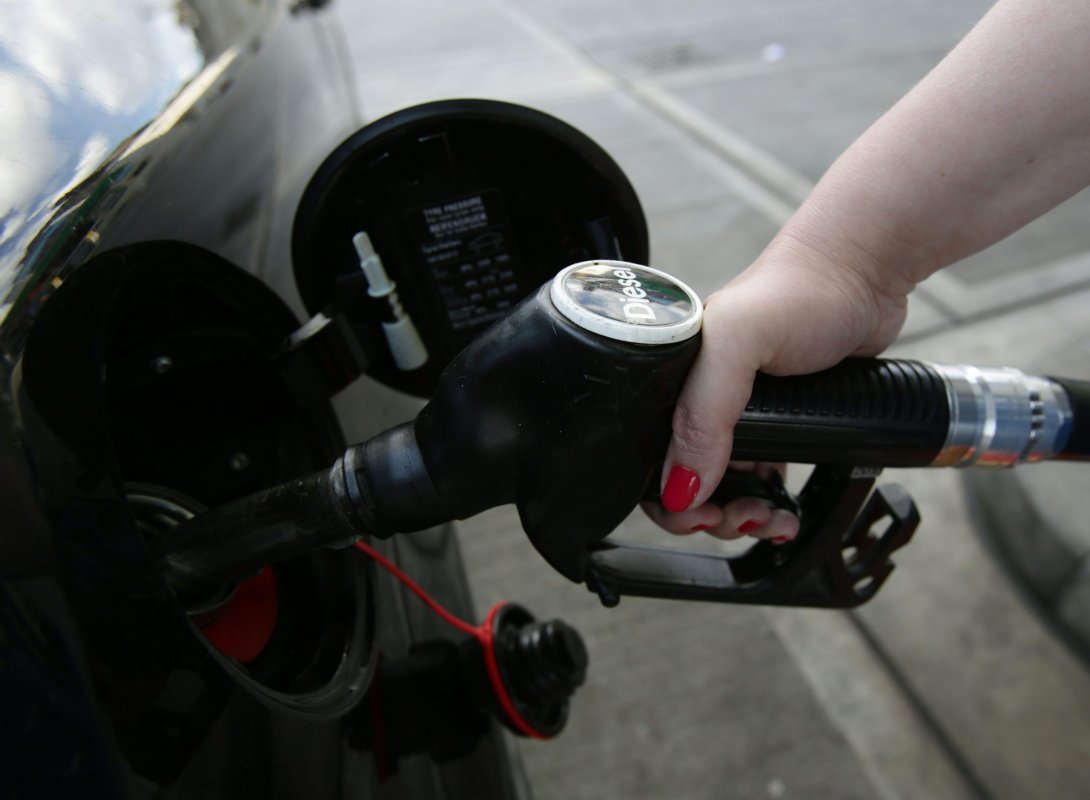
Consequently, the government has decided to increase the diesel tax rebate, originally planned at 5 cents per liter for September, to 20 cents per liter. The move is intended to directly reduce the fuel cost burden for consumers and the transportation sector.
Gasoline Subsidy Remains as Planned
In contrast to the sharp rise in diesel prices, the increase in gasoline prices has been more moderate. Data indicates a 7.3% year-on-year increase for gasoline in July, which is below the 15% threshold. Therefore, the subsidy for gasoline will remain as originally planned, with a tax rebate of 5 cents per liter starting in September.
Background of the Fuel Subsidy Policy
To address the impact of the energy crisis, the Spanish government introduced a package of aid measures this past March. This included a temporary reduction of the Value Added Tax (VAT) on fuel from the standard 21% to 10%.
Additionally, the government implemented a special tax rebate program that was scheduled to be phased out: a 15-cent per liter reduction in July, decreasing to 10 cents in August, and further to 5 cents in September before being discontinued. However, the unexpectedly high surge in diesel prices has compelled the government to reassess and reinforce the subsidy for this fuel.
Policy Impact Assessment
According to official government estimates, since their implementation, these measures, including the fuel subsidies, have effectively cushioned over 60% of the price increases caused by external shocks. Furthermore, these interventions have helped reduce Spain’s overall inflation rate by an average of about 1 percentage point over the past few months. The government has stated it will continue to maintain close communication with all social sectors, continuously monitor market dynamics, and evaluate future responses.
