Morocco Accuses Spain of Lacking Reciprocity, Threatens to Suspend Extradition Pact
The cooperative relationship between Spain and Morocco is facing a new test. Morocco’s Minister of Justice, Abdellatif Ouahbi, has publicly stated that his department is “discussing the suspension” of the extradition agreement with Spain.
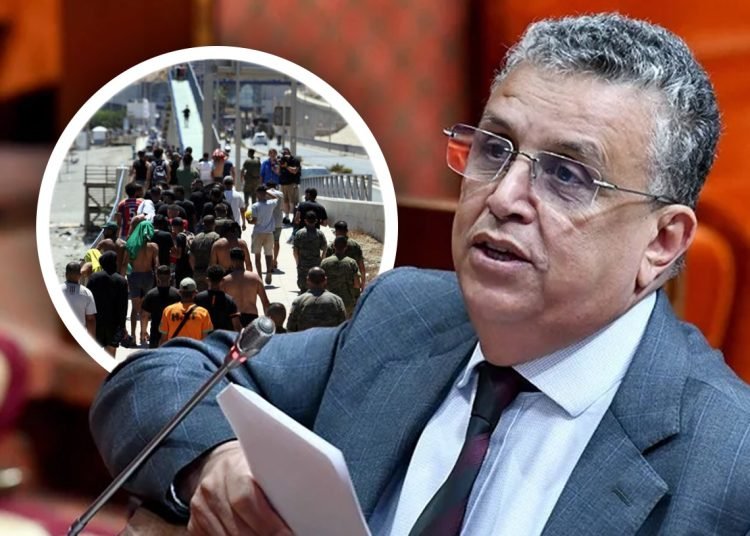
Morocco’s primary grievance lies in the lack of reciprocity in executing extradition requests. Ouahbi pointed out that when Morocco requests an extradition from Spain, it often encounters “inexplicable situations” leading to failed handovers, sometimes because the target individual has already been released by Spanish authorities. He stressed that while Morocco has fulfilled all of Spain’s extradition requests, Spain has not reciprocated. According to Moroccan statistics, Spain has denied 92 of its extradition requests since 2018. In 2024 alone, out of 46 requests made by Morocco, the execution rate was just 27%. Consequently, the Moroccan government is demanding that Spain take the extradition process “seriously,” or it will consider suspending the agreement.
Complex Backdrop: Border Crisis and Diplomatic Maneuvering
Morocco’s tough stance is not an isolated event but is rooted in a recent series of frictions and conflicts between the two nations.
First, there was the severe border crisis in the Spanish enclave of Ceuta from late July to early August. Approximately 80,000 irregular migrants stormed the border, resulting in 70 deaths and drawing international attention. Spanish police unions even suggested that Moroccan authorities had intentionally relaxed border controls during this period. The crisis not only led to a humanitarian disaster but also triggered a chain reaction, including Italy temporarily reinstating border checks with Spain.
Meanwhile, Spain’s diplomatic moves have also touched a nerve with Morocco. Spanish Prime Minister Sánchez visited Algeria on July 20th to mend bilateral relations. As Algeria is Morocco’s traditional rival on the Western Sahara issue, Spain’s rapprochement with Algeria has undoubtedly unsettled Morocco.
Expert Perspective: Eroding Cooperation is the Root Cause
Although the Spanish government continues to insist that its relationship with Morocco is “absolutely friendly” and solid, it is widely believed that ties between the two countries are cooling.
Rosales, a Spanish legal expert specializing in extradition cases, explains that the extradition process has both judicial and political dimensions. After the Spanish National Court issues a judicial ruling, the final decision on execution rests with the government. Therefore, even if the court approves an extradition, the government can still refuse it based on political considerations.
Rosales believes the current issue is less about the agreement itself and more about a “breakdown in the good cooperative relationship between the two countries.” He explains that the effective execution of an extradition treaty “is built on a foundation of good relations and cooperation.” Even without a formal treaty, nations can handle extraditions based on the principle of friendly reciprocity. Therefore, Morocco’s threat to suspend the pact is a deeper reflection of the eroding foundation of mutual trust and cooperation between the two nations.
