Extreme Heat Sweeps Europe, Multiple Nations Face Wildfire Crisis
In the summer of 2026, Europe is experiencing an exceptionally severe heatwave. According to the World Meteorological Organization, this past June and July have been the hottest months on record for Western Europe. As August progresses, the heatwave has intensified rather than subsided.
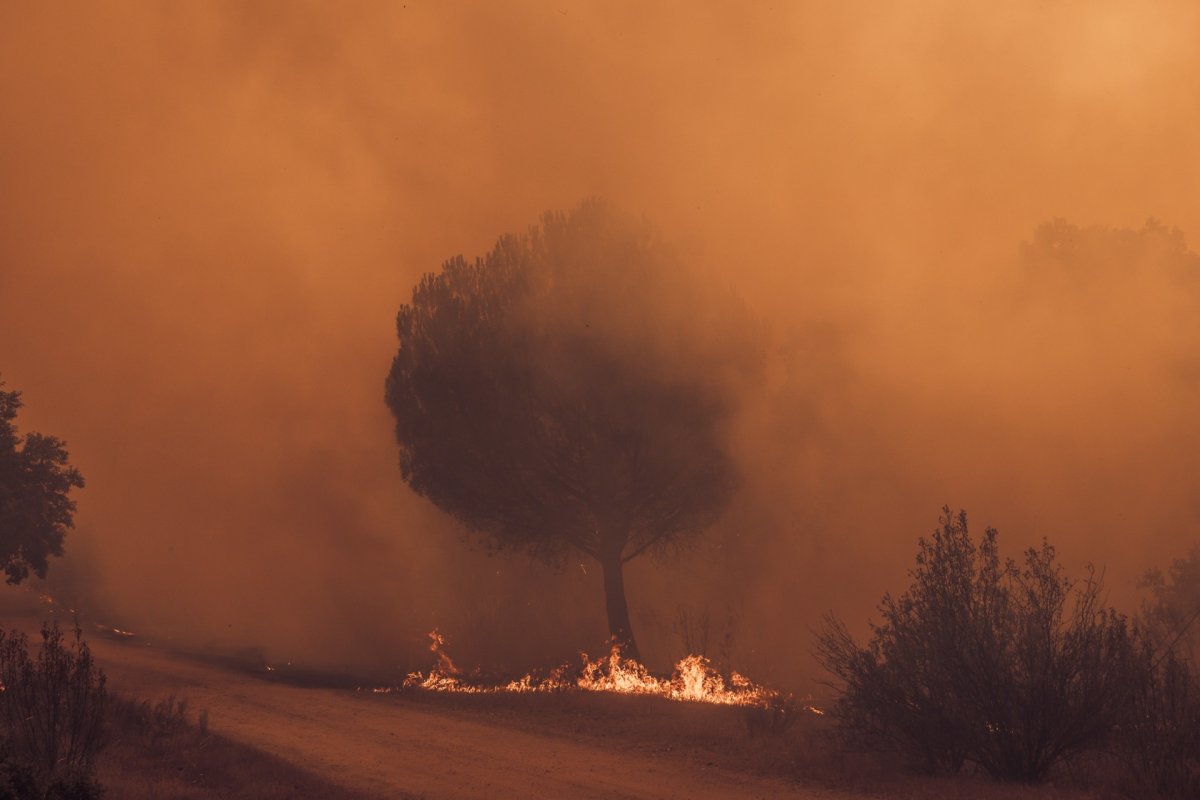
Data shows that as of August 14, 2026, approximately 150 million Europeans (about three-fifths of the continent’s population) are living in temperatures exceeding 35 degrees Celsius. On that day, the average high temperature in Western Europe reached 31.2 degrees Celsius, a full 8 degrees Celsius above the average for the same period between 1961 and 1990. The prolonged high temperatures and drought have dramatically increased the risk of wildfires, with at least six countries, including France, Germany, Spain, and Greece, struggling to control out-of-control blazes.
France: Frequent Arson and Concern Over Underage Suspects
In France, arson is a particularly prominent issue. On August 14, the French Ministry of the Interior announced that 474 individuals had been arrested in connection with wildfires in the one-and-a-half-month period since July 1. Shockingly, 183 of them are minors. Official reports indicate that about 70% (nearly 330) of all those arrested are believed to be deliberate arsonists.
These acts of arson have had severe consequences. A major fire near Bordeaux airport in July was started by a 15-year-old, and the blaze directly led to the tragic deaths of two firefighters. More recently, around August 14, a fire destroyed 1,100 hectares of pine forest in the village of Luglon, in the Landes department, within 24 hours, forcing the emergency evacuation of over 500 residents. This same region had already suffered two massive fires in late July, which burned a cumulative total of 50,000 hectares.
Germany: Forest Fires Detonate WWII Munitions
Germany’s wildfire response is complicated by a unique historical legacy. In the Hürtgen Forest, located in the western state of North Rhine-Westphalia near the Belgian border, ongoing wildfires have been detonating unexploded munitions from World War II buried underground.
Scorched by the intense heat, these ‘historical relics’ have been exploding one after another. As a precaution, local authorities evacuated approximately 2,300 residents from the nearby village of Geich overnight between August 13 and 14. Due to the risk of explosions and the difficult terrain, firefighters have been unable to operate up close. On August 14, the German military deployed tanks and helicopters into the fire zone to help create firebreaks and monitor the situation.
A similar incident occurred last month in the village of Le Porge in southwestern France, where over 400 WWII-era shells and munitions were discovered after a wildfire.
Spain: Flames Threaten Historic Site, Royal Remains Urgently Evacuated
In Spain, raging wildfires are threatening the nation’s significant historical and cultural heritage. In the northeastern autonomous community of Aragon, a wildfire is closing in on the famous Monastery of San Juan de la Peña. Founded in the 10th century, this monastery is the cradle of the Kingdom of Aragon and the site of its royal pantheon.
To prevent irreversible loss, Spain’s Military Emergencies Unit (UME) launched a special ‘rescue operation’ on August 13. Soldiers raced against the approaching fire line to pack and transport the remains of three of the Kingdom of Aragon’s founding monarchs—Ramiro I, Sancho I, and Pedro I—which are enshrined in the monastery. They also evacuated several 18th-century artifacts and ancient paintings.
These precious items have been safely moved for temporary storage to the Huesca Provincial Museum, about 80 kilometers away. As of the morning of August 14, the wildfire in northern Spain had already burned over 9,000 hectares, while another fire in the southern province of Huelva has caused even greater damage, scorching an area of 31,000 hectares.
