The “Blender” Effect Destroys the Lubrication System
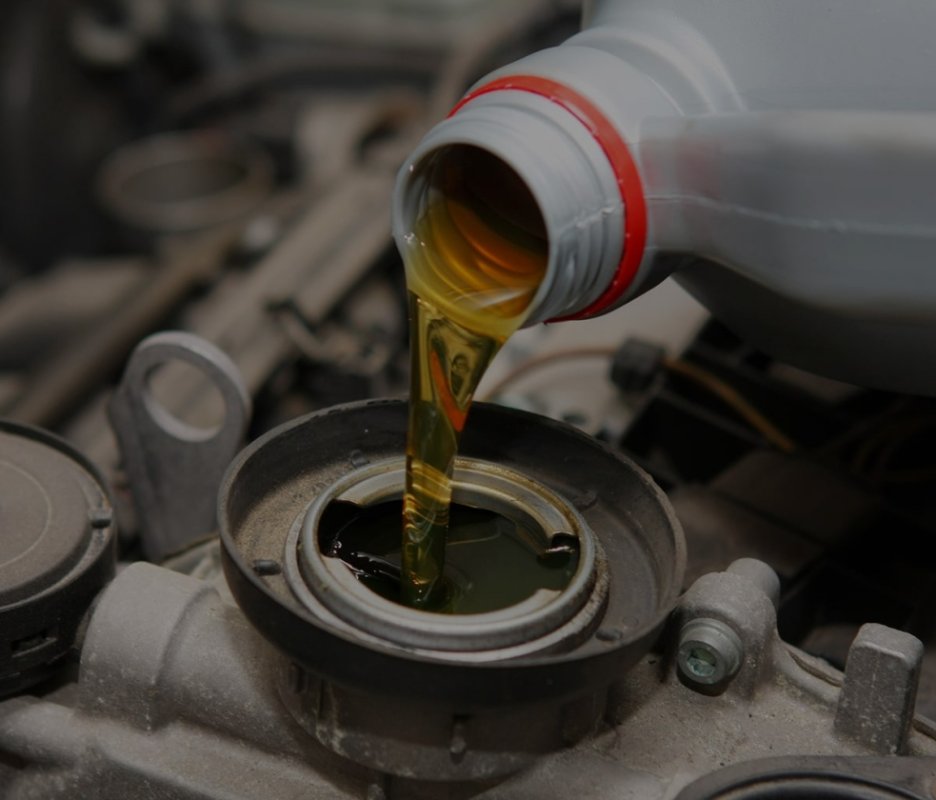
Spanish mechanics Juanjo Jimenez and Juan Jose Ebenezer recently issued a warning about common car maintenance misconceptions. They pointed out that when the engine oil level exceeds the standard maximum limit, the rapidly spinning crankshaft will directly strike the oil in the oil pan. This physical process acts like a blender, whipping a large amount of air into the lubricant and forming dense foam.
Once the oil becomes heavily aerated, its core functions of cooling, reducing component friction, and preventing metal wear will be significantly weakened. Furthermore, the overloaded fluid can cause an abnormal surge in pressure inside the crankcase, which in turn squeezes various seals and triggers secondary problems such as oil leaks at the bottom of the vehicle.
Secondary Damage Risks in Modern Vehicles
Due to the more precise mechanical structures of modern vehicles, the negative impacts of overfilling oil are even more complex. Experts analyze that excess oil can easily flow backward through the Positive Crankcase Ventilation (PCV) system into the intake tract, causing the vehicle to enter an “oil-burning” state. Drivers will typically observe blue smoke coming from the exhaust pipe, and the engine may experience abnormal combustion.
Over time, not only will spark plugs and valves become coated with oil sludge and damaged, but the expensive catalytic converter may also be ruined. In terms of repair costs, even fixing minor leaks will usually cost car owners at least 100 euros. If the engine suffers deep wear of internal components due to a complete loss of lubrication, the bill for repairing or replacing the entire engine will soar to thousands of euros.
Scientific Inspection and Filling Standards
To avoid such human-induced mechanical failures, professionals suggest that car owners must master scientific methods for checking engine oil levels. When performing this operation, the vehicle should be parked on completely level ground. Turn off the engine and let it sit for a few minutes to ensure the oil fully drains back into the bottom oil pan, then pull out the dipstick for observation.
The standard fluid level should be strictly kept between the minimum (MIN) and maximum (MAX) marks on the dipstick. The ideal state is to maintain it in the range of one-half to three-quarters. Experts particularly emphasize that if you find the oil level has exceeded the maximum warning line, do not push your luck and continue driving. You should immediately contact a professional repair shop to extract the excess fluid, preventing a simple maintenance mistake from turning into a costly engine repair disaster.
