A Packaging Revolution: How New EU Eco-Regulations Are Reshaping the Consumer Market
To tackle environmental challenges and promote a circular economy, Spain is implementing a series of packaging innovations in line with the new EU Packaging and Packaging Waste Regulation (PPWR). The core objectives of the new rules are to reduce waste, restrict hazardous substances, and encourage recycling. A key measure is the restriction on the use of per- and poly-fluoroalkyl substances (PFAS), known as ‘forever chemicals,’ in food-contact packaging to mitigate their potential risks to the environment and human health.
By January 1, 2029, Spain will establish a new deposit-return system (known as SDDR in Spanish) for packaging, where consumers can receive a cash refund for returning specific beverage containers. Additionally, consumption patterns in the Horeca (hotel, restaurant, and catering) sector will change, with single-use small packets being phased out. Consumers will be encouraged to use their own containers or reusable packaging for takeaways. By 2030, the regulation will also strictly limit excessive packaging, mandating that the empty space in e-commerce and transport packaging cannot exceed 50%.
Retirement System Reform: Legal Retirement Age to Reach 67 by 2027
Spain’s pension system reform, initiated in 2011, will complete its final phase in 2027. By then, the standard legal retirement age will be officially set at 67. Specifically, for workers with a social security contribution history of less than 38 years and 6 months, the retirement age will be 67. However, those who have contributed for that period or longer will retain the right to retire at 65.
The early retirement age is also being adjusted. From 2027, individuals with less than 38 years and 6 months of contributions can voluntarily retire as early as 65, while those who meet the contribution requirement can apply for retirement at 63. Furthermore, starting in 2027, the full contribution period required to receive a 100% pension will be extended from the current 36 years and 6 months to 37 years. The pension calculation method will also introduce a ‘dual system,’ offering more choices to retirees.
The Trend of Household ‘Downsizing’ and Its Economic Impact
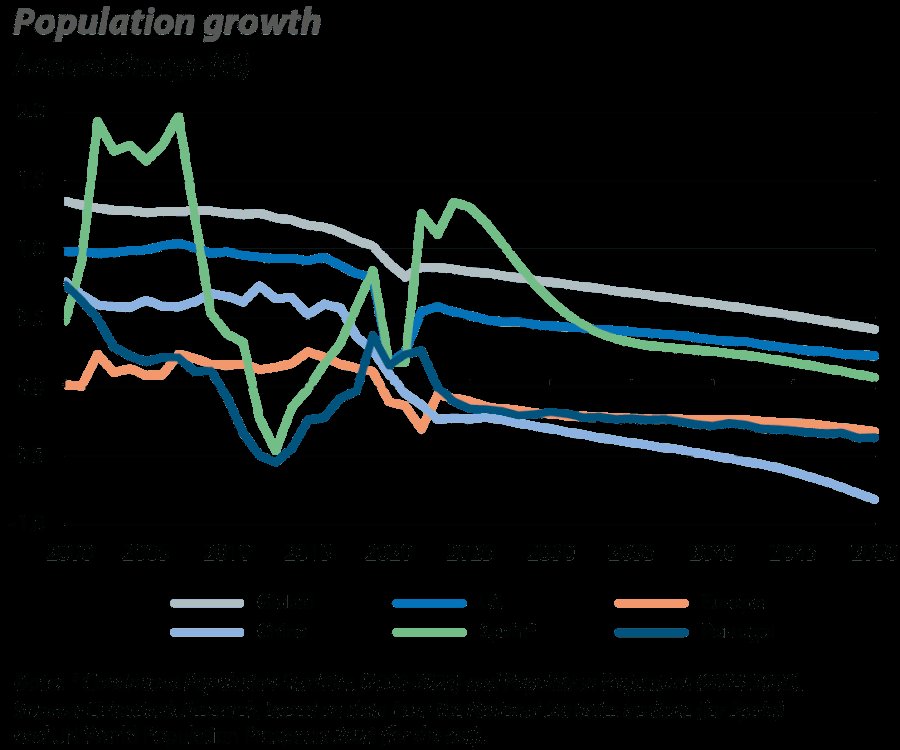
Spain is undergoing a profound demographic and family structure transformation. Data shows that over the past 35 years, Spain’s total population has grown from approximately 38.6 million to nearly 49.7 million, an increase of about 29%. During the same period, the number of households surged from 11.8 million to 19.8 million, a growth of about 68%. This indicates that while the population is increasing, the average household size is shrinking.
The trend of household ‘downsizing’ has significant economic consequences. With a growing number of single-person households, seniors living alone, and childless families, the same population requires more housing units and living facilities, directly driving up housing demand and the overall cost of living. This societal shift also poses new challenges for the pension system, social security, urban planning, and public services, making it a critical factor in Spain’s future socio-economic development.
Local Pressures Mount: Ceuta’s Dual Crisis of Migration and Healthcare
As a Spanish exclave in North Africa, Ceuta is under immense pressure from a continuously intensifying wave of migration. The local healthcare system, public services, and community are overwhelmed. Although the number of migrants in the city center has decreased, large numbers of people still occupy public spaces on the city’s outskirts, and the capacity to receive and accommodate unaccompanied minors has reached its limit.
Ceuta’s hospital emergency departments are overcrowded, and medical resources are constantly strained, with ambulance sirens becoming a regular sound in residents’ daily lives. The surge in migrant numbers not only places enormous strain on housing, healthcare, and social services but also deeply affects public order and the normal life of residents. Although the government is continually seeking temporary accommodation solutions, these problems are particularly acute for Ceuta, given its limited territory and dense population.
