Continuous Tremors Spark Widespread Anxiety
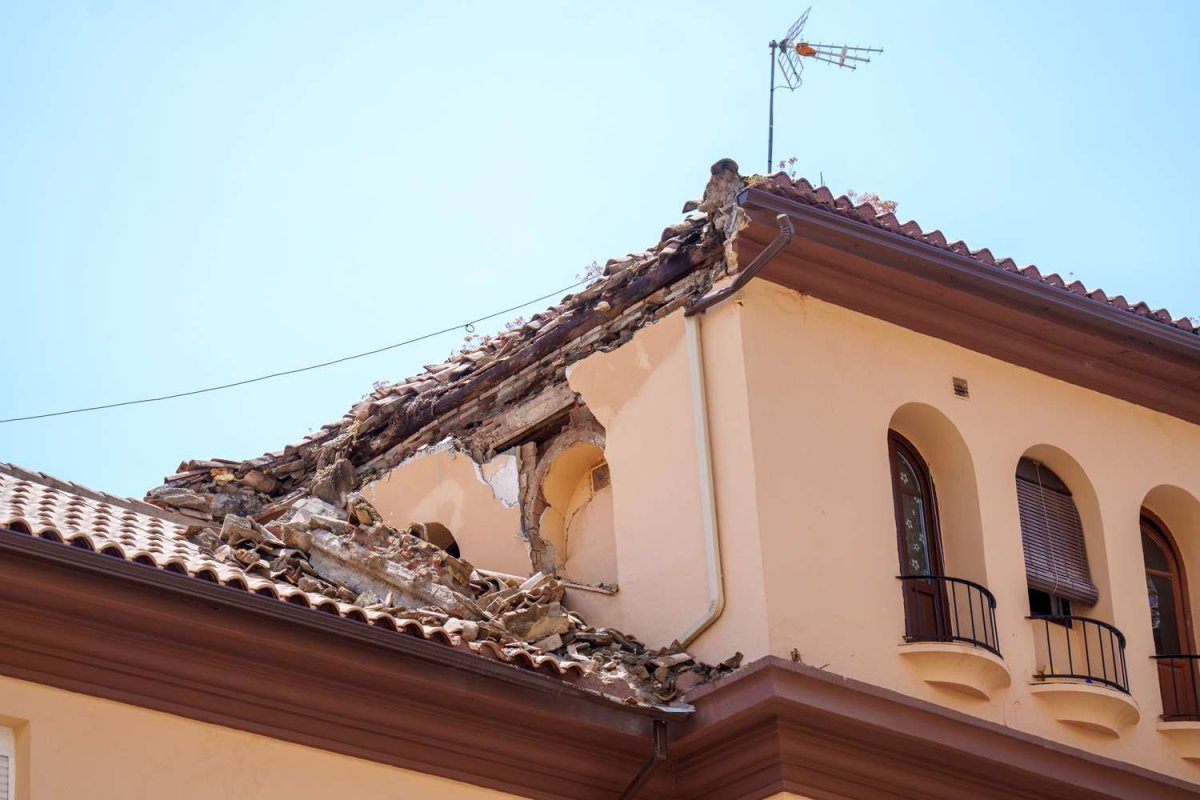
Between August 15 and 16, 2026, Granada and its surrounding areas in Spain experienced a series of continuous earthquakes. Although the tremors were not strong enough to cause significant damage, they sparked considerable psychological distress among the population. Official assessments confirmed no casualties and only minor structural damage, such as fallen cornices or slight wall cracks. However, this minimal physical damage starkly contrasted with the heavy psychological toll on residents. The constant shaking left many in a state of high alert, with social media flooded with anxious posts about ‘nightmares’ and wondering ‘when it will end.’ Numerous citizens reported acute stress reactions, including hyperventilation, rapid heartbeat, and sleepless nights due to the fear of aftershocks.
Expert Analysis: The Vicious Cycle of Fear and Insomnia
Granada-based psychologist José Ortiz points out that many residents are currently trapped in a vicious cycle of fear and insomnia. He explains that the fear of earthquakes directly leads to poor sleep quality. In turn, sleep deprivation makes the brain’s ‘alarm system’ hyper-sensitive. In this state, even minor noises like a sound from the floor above, the normal rattling of a window, or a phone vibrating can be misinterpreted by the brain as another earthquake, further intensifying fear and anxiety. This physiological state of hypervigilance explains why, even when rationally knowing their homes are safe, people’s bodies remain unable to relax.
Scientific Coping: From Psychological Intervention to Practical Strategies
In the face of widespread panic, psychology experts emphasize that an effective coping mechanism is not simply telling oneself ’it won’t happen again,' as no one can predict aftershocks. A more constructive mindset is: ’I can’t be sure if there will be another earthquake, but if there is, I know what to do.' This shift from focusing on uncontrollable external factors to controllable personal actions is key to reducing anxiety. To this end, the Andalusian regional government has launched a free psychological support hotline at 900 102 513. Emergency psychology professionals recommend that when panic symptoms arise, individuals should try to ground themselves in the present moment. For example, consciously feeling your feet on the floor or clearly naming objects you see can help interrupt the panic cycle.
Focusing on Vulnerable Groups: Psychological Protection for Children and the Elderly
Experts specifically highlight the need to address the special needs of children and the elderly in post-disaster psychological recovery. For children, a parent’s own calmness is the most effective reassurance. Instead of repeatedly saying ’don’t be afraid,' it’s more helpful to acknowledge that fear is a normal emotion and to learn and practice earthquake emergency drills with them. This gives children a sense of control. For elderly individuals who live alone or have mobility issues, community and family members should help them prepare in advance. Ensuring that emergency medication, communication devices (like a mobile phone), and emergency contact information are all within easy reach can reduce their sense of helplessness during a sudden event.
Beware of Long-Term Effects and Seek Professional Help
The Granada earthquakes have highlighted a crucial point: the psychological impact of a disaster can be far more lasting than its physical effects. The earthquake itself might last only seconds, but the state of alarm and fear it triggers can persist for days or even weeks. Experts advise that if, one month after the tremors have subsided, an individual still experiences recurring distressing memories (flashbacks), persistent severe insomnia, or if their ability to work and function normally is significantly impaired, they should seek professional psychological counseling and treatment. Feeling afraid is a normal human response to a threat, but the real danger lies in allowing life to remain in a constant state of alert, ‘waiting for the next shake’.
