“Reclaiming Our Space”: The Weekly Square Dinner Movement
In Palma, the capital of the Spanish tourist hotspot Mallorca, a protest to ‘reclaim public space’ is unfolding in a gentle yet firm manner. Initiated by the local social organization and residents’ alliance ‘Brunzit,’ around 500 residents gather every Wednesday evening in the city’s central squares, bringing their own food for a traditional open-air dinner (sopar a la fresca). Since its launch last year, the event has grown in scale, aiming to peacefully and communally reassert local residents’ right to use the city’s core areas.
The Price of Overtourism: “Evicted” from Their Own City Center
Behind this movement lies a deep-seated concern among locals about ‘overtourism.’ Last year, over 13.6 million tourists visited Mallorca, and iconic spots like the square in front of Palma Cathedral have become almost entirely occupied by visitors, leaving residents feeling increasingly alienated from their own city. The platform’s spokesperson, Pau Riera, stated that the proliferation of commercial outdoor terraces, converted shops catering to tourists, and the massive influx of people during peak season have fundamentally altered the purpose of streets and squares, effectively ‘evicting’ locals from their own core living areas.
A Warning on Depleted Resources and Questionable Sustainability
The protest group ‘Brunzit’ further warns that the current models of both mass and luxury tourism are not only depleting the island’s precious natural resources but also pose a serious threat to the local economy’s sustainability. They argue that if this trend continues, it could lead to the collapse of the local economic structure in the long run. Through these square dinners, residents hope to spark a society-wide debate and profound reflection on the existing tourism model in the Balearic Islands.
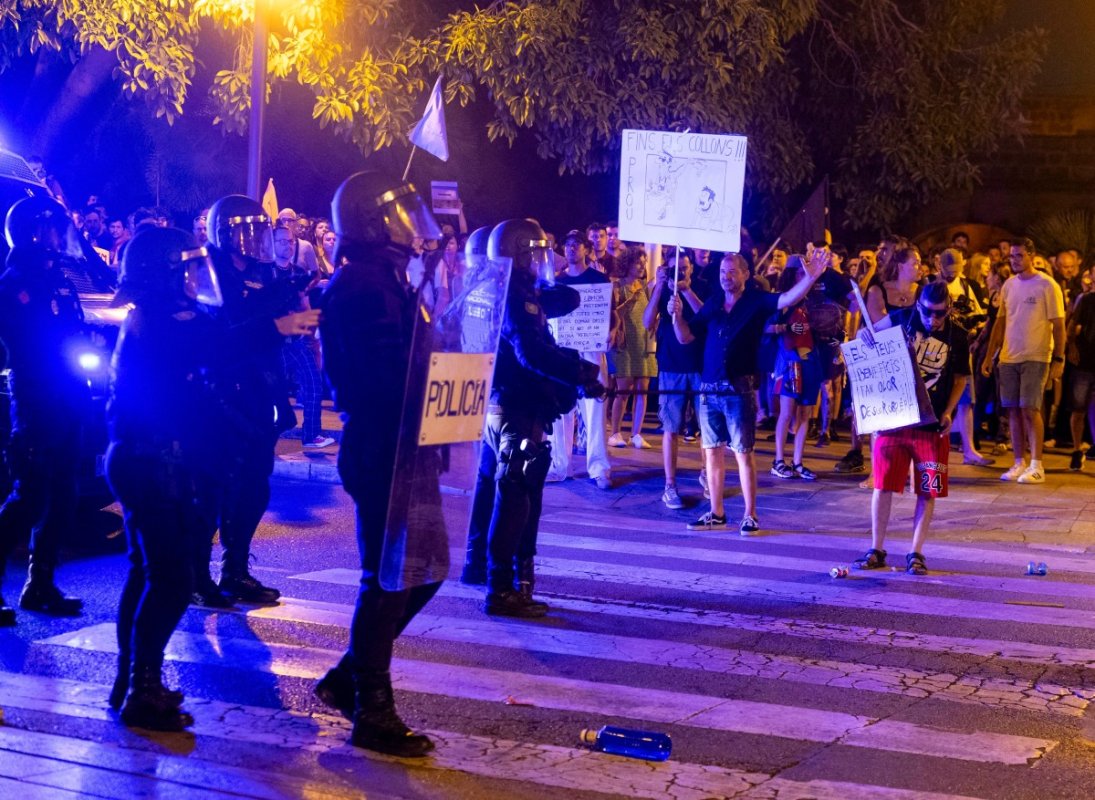
The Battle for Public Space: Residents vs. the Restaurant Industry
However, this protest-style dinner has not been without opposition. It directly affects the interests of some local business owners, sparking strong backlash from the restaurant industry. Many bar and restaurant operators with commercial terraces in the squares argue that the residents’ gatherings occupy their business space. They have filed complaints with the Palma City Council, pressuring it to ban such activities that occupy public areas. This has made the ownership and use of public space an unavoidable core conflict in the debate over Palma’s urban transformation.
A Wider Wave of Protests
The square dinners in Palma are not an isolated event but part of a growing wave of anti-overtourism sentiment in the region. As the peak summer tourist season brings soaring housing pressure, a rising cost of living, and overburdened infrastructure like transport, water, and electricity, more and more residents are taking to the streets to voice their dissatisfaction. This struggle over urban space and the quality of life for residents is playing out intensely in Palma.
